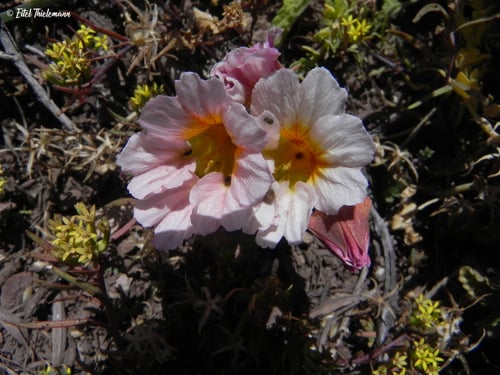
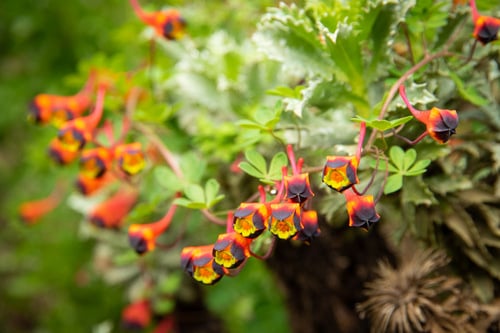
Tropaeolum brachyceras
Hook. & Arn.
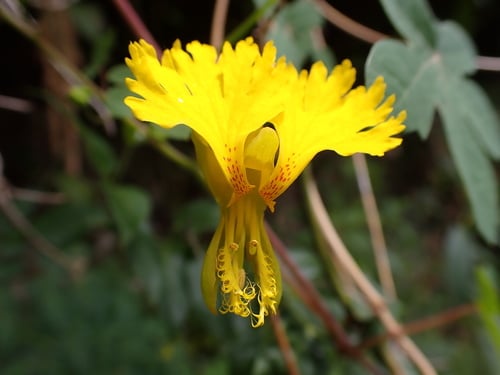
iNaturalist· cc-by-nc
(c) jose_silval, some rights reserved (CC BY-NC)
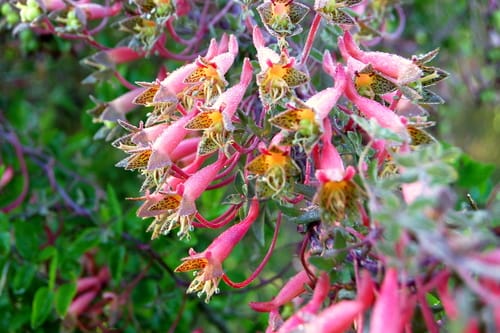
iNaturalist· cc-by-nc-sa
(c) Ariel Cabrera Foix, some rights reserved (CC BY-NC-SA), uploaded by Ariel Cabrera Foix
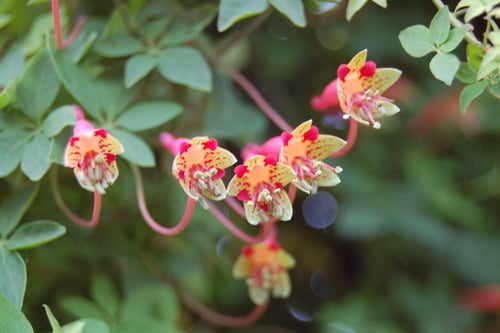
iNaturalist· cc-by-nc
(c) Eduardo Muñoz Orellana, some rights reserved (CC BY-NC), uploaded by Eduardo Muñoz Orellana
Summary
Source: WikipediaTropaeolum brachyceras is a species of perennial plant in the Tropaeolaceae family. It is endemic to mountainous regions of Chile.
Description
A perennial climbing vine reaching 1m with foliage from October to August, flowering in June, and seed ripening in August. Hardy to UK zone 9 but frost tender. Hermaphroditic flowers pollinated by bees. Grows in light sandy, medium loamy, and heavy clay soils with mildly acidic to neutral pH. Requires full sun and prefers well-drained soil, tolerating dry or moist conditions.
Edible Uses
The tubers are cooked for eating, though they are quite small.
Medicinal Uses
None known.
Distribution
It is a tropical plant.
Where It Grows
Chile, South America,
Cultivation
Prefers a sunny position in a well-drained humus-rich neutral or slightly acidic loam. This species is not hardy in the colder areas of the country, it tolerates temperatures down to about -5°c and is usually best grown in a cold greenhouse or conservatory. Alternatively, the tubers can be lifted in the autumn after the plant has been cut back by frost, stored in a cool but frost-free place over the winter and planted out in April. This species comes from a dry Mediterranean-type climate and commences growth in early autumn, growing through the winter then flowering in early summer before having a short dormancy in late summer. Consequently, it is only going to succeed outdoors in the very mildest parts of the country and is generally best grown in a greenhouse. The plant comes from an area with intermittent and unreliable rainfall. It is therefore adapted to remaining dormant for a number of years if the growing conditions are unsuitable and this habit sometimes manifests itself in cultivation, especially if the plants have been potted up recently. A climbing plant, it supports itself by twisting its leaf stalks around other plants etc. The caterpillars of the cabbage white butterfly can be a nuisance and often cause considerable damage to the leaves.
Propagation
Sow seed in early spring in a greenhouse. Prick seedlings into individual pots once large enough to handle and grow on in the greenhouse through their first winter. Plant out in late spring or early summer after the last expected frosts. Tubers can be divided in late summer: harvest once the plant has died down and plant straight into permanent positions, or pot up smaller tubers and grow on in the greenhouse for a year before planting out in late summer. Basal stem cuttings can be taken in spring, potted individually, and placed in light shade in a frame until established, then planted out in early summer.
Other Uses
None known.
Notes
There are 80 to 90 Tropaeolum species. About 60 species occur in tropical America.
References (1)
- Plants for a Future database, The Field, Penpol, Lostwithiel, Cornwall, PL22 0NG, UK. http://www.scs.leeds.ac.uk/pfaf/