Tribulus cistoides
L.
Caltrops
iNaturalist· cc-by-nc
(c) karlwerner, some rights reserved (CC BY-NC)
iNaturalist· cc-by
(c) chiuluan, some rights reserved (CC BY), uploaded by chiuluan
iNaturalist· cc-by-nc
(c) Audrey Whitlock, some rights reserved (CC BY-NC), uploaded by Audrey Whitlock
Summary
Source: WikipediaTribulus cistoides, also called wanglo (in Aruba), the Jamaican feverplant or puncture vine, is a species of flowering plant in the family Zygophyllaceae, which is widely distributed in tropical and subtropical regions.
Description
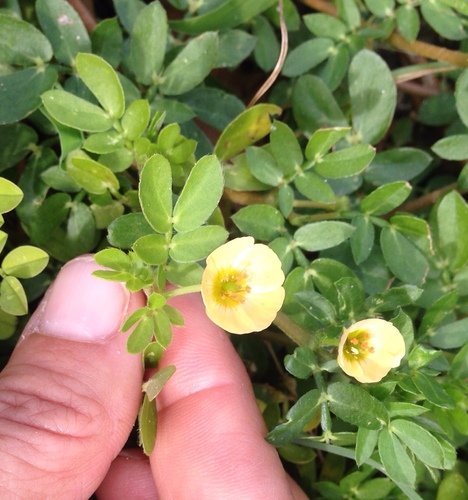
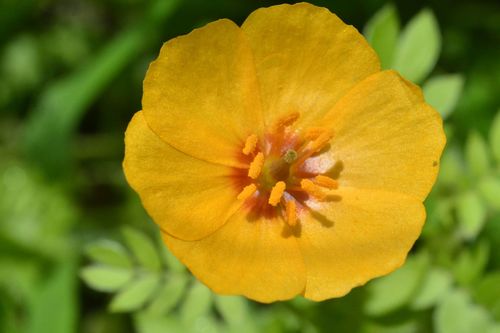
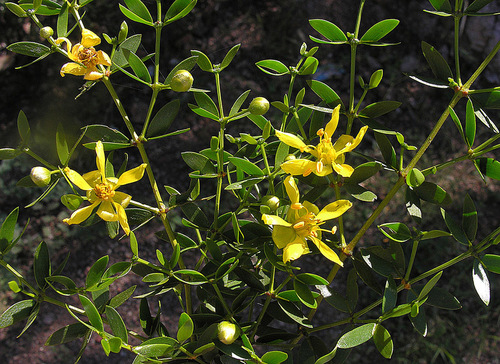
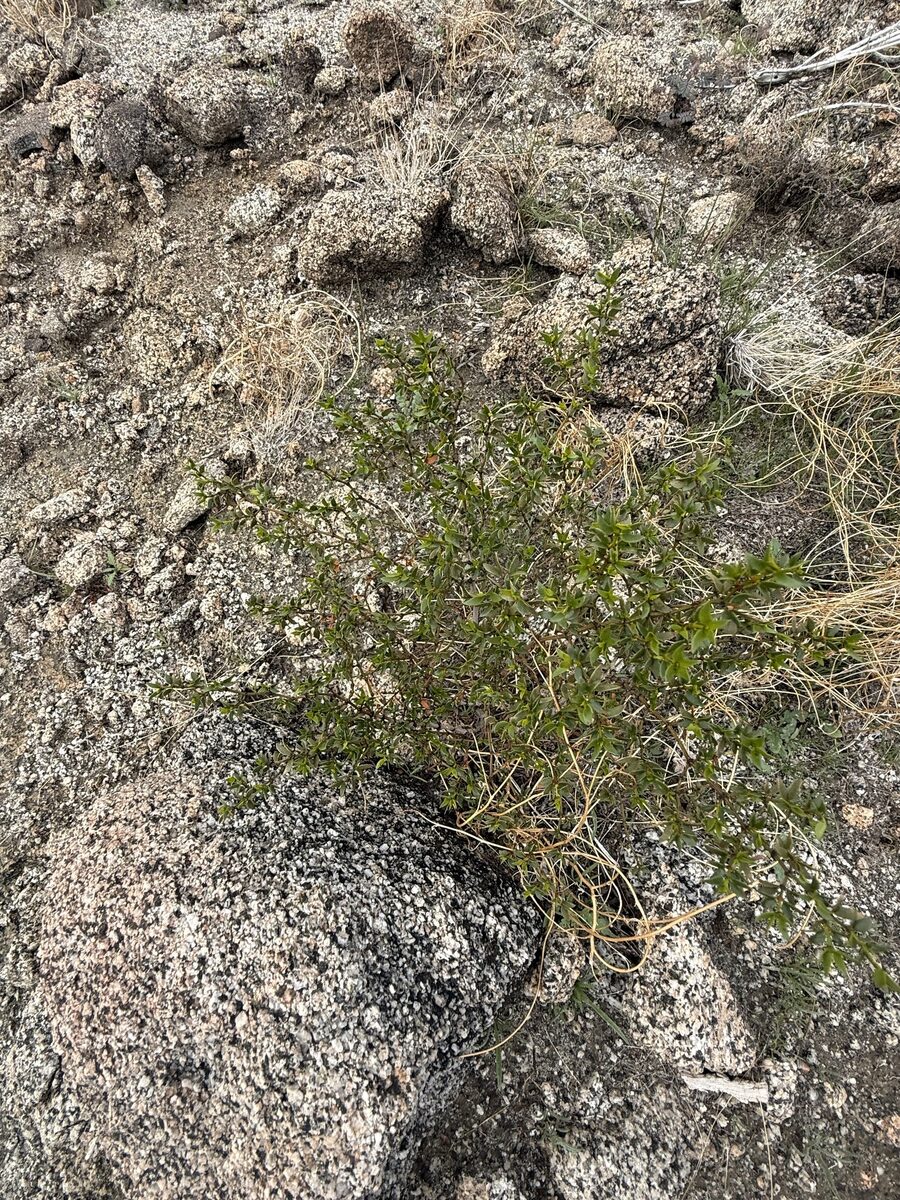
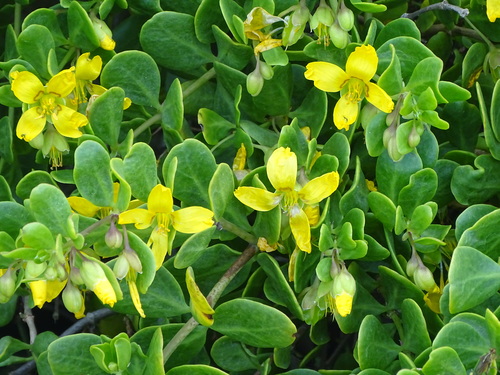
A herb. It keeps growing from year to year. The branches which lie down. They can be 1 m long. The plant has a strong taproot. The stems are hairy. The leaves are produced opposite one another. They are divided along the stalk into 6-8 pairs of leaflets. The leaf and leaflets on one side of the stalk are smaller than on the other side. The leaflets are 9-14 mm long by 3-5 mm wide. The flowers are single and 25-35 mm across. They are on stalks about 2 cm long. These flowers are produced from one axil of each pair of leaves. The flower has 5 bright yellow petals. The fruit is a round capsule which has 5 parts. These have strong sharp spines.
Edible Uses
The young shoots and leaves are eaten as a vegetable.
Traditional Uses
The young shoots and leaves are eaten.
This uses section is brief — help expand it
Medicinal Uses
The plant is used to treat colds, malaria and infections of the kidney and bladder. A decoction of the roots is given to children to relieve toothache. The leaves and roots are pounded and used as a poultice to treat sores, ulcers and abscesses.
Known Hazards
The sharp seeds can damage feet, and the plant is poisonous to animals.
Distribution
It is a tropical plant. In Papua New Guinea it is common in coastal areas. It grows naturally on sandy loam soils. In Yunnan.
Where It Grows
Africa, Asia, Australia, Central America, China, Dominican Republic, East Africa, East Timor, Europe*, Guianas, Guyana, Haiti, Hawaii, India, Jamaica, Kenya, Kiribati, Lesser Antilles, Marquesas, Mexico, Mozambique, North America, Pacific, Papua New Guinea, PNG, Puerto Rico, SE Asia, South America, St Helena, Suriname, Taiwan, Timor-Leste, Uganda, USA, West Indies,
Cultivation
Prefers a position in full sun, though it tolerates partial shade. It requires a well-drained soil. Established plants are drought tolerant. Tolerates maritime exposure. Originally native to the Americas, the plant has spread through most of the tropics and subtropics, especially in coastal areas. The fruit is dispersed by adhering to the feet of animals and humans or vehicle and bicycle tyres. It also sticks to sheep wool and is often found in hay, straw and manure. The plant is relatively unharmed by rabbit grazing.
Other Uses
A beautiful and graceful groundcover, but the plant is also armed with some of the most aggressively spiney seedpods existing in the natural world