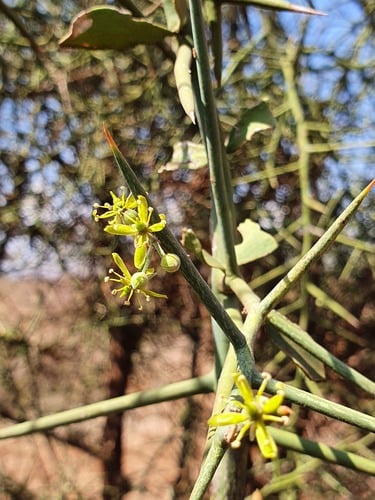
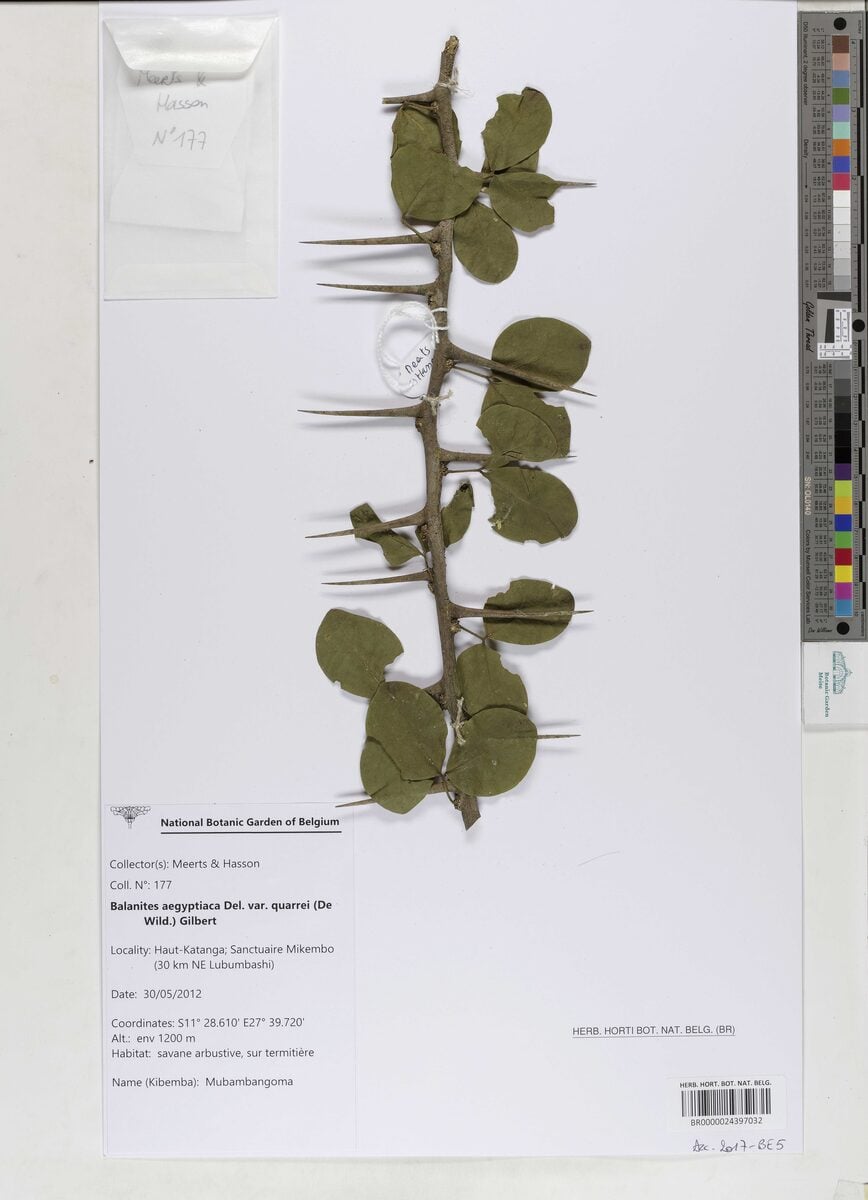
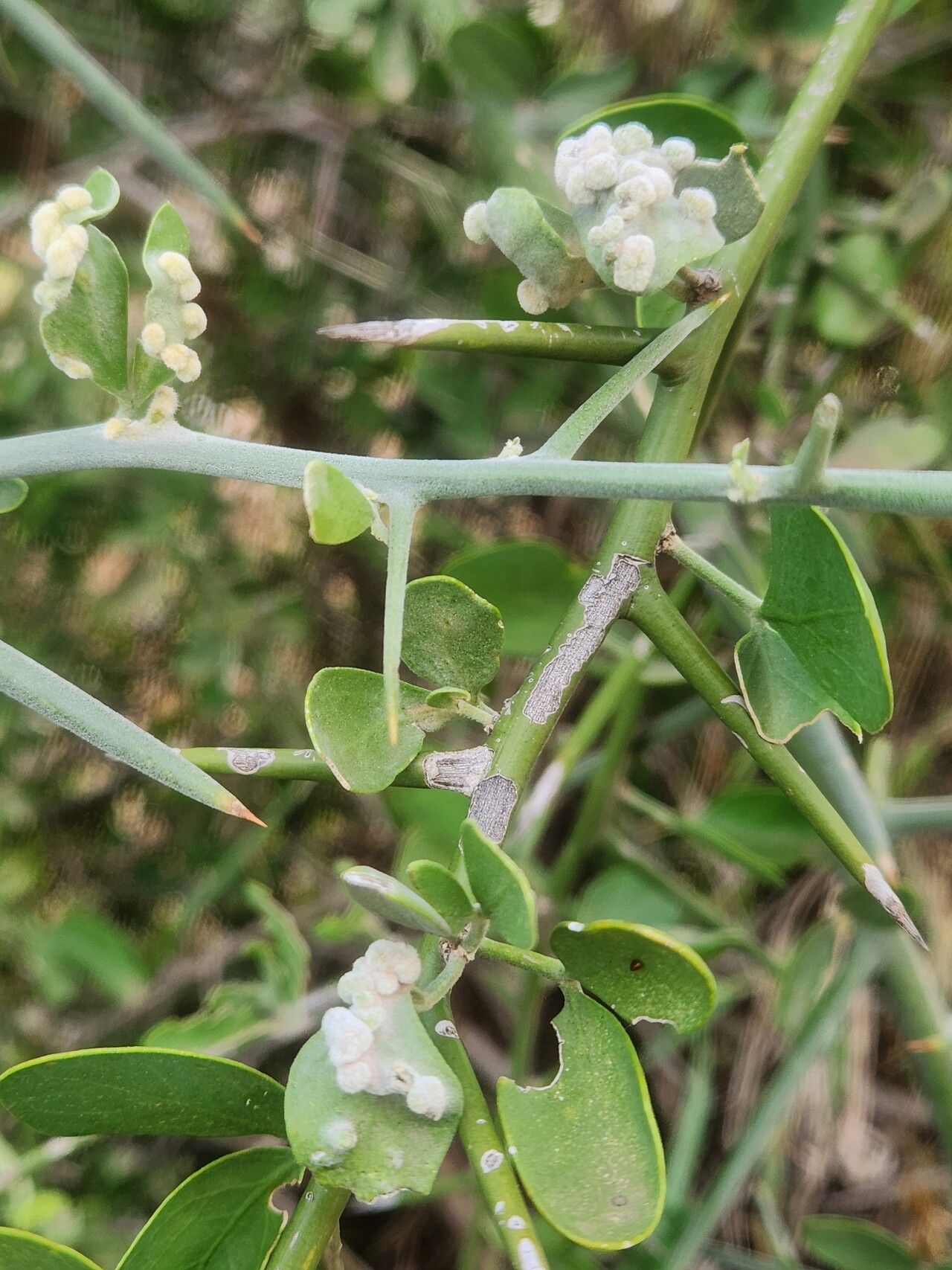
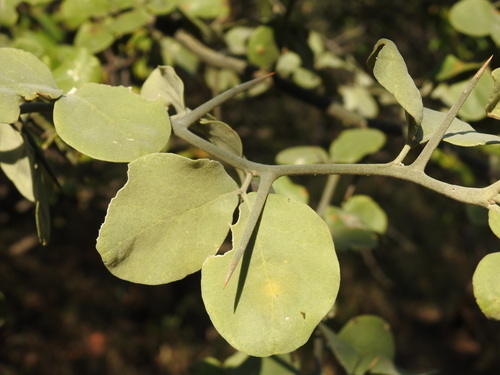
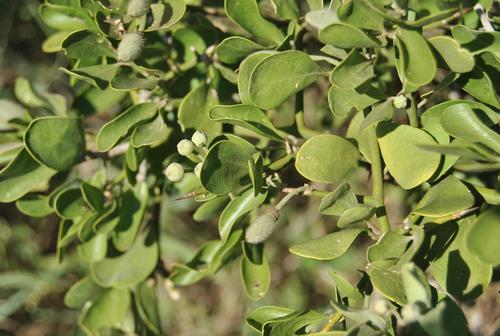
Larrea tridentata - (Sessé.&Moc. ex DC.)Coville.
(Sessé.&Moc. ex DC.)Coville.
Creosote Bush - Chaparral
gbif· cc-by-nc
Sue Shigenaga
gbif· cc-by-nc
Jamey McClinton
gbif· cc-by-nc
Jamey McClinton
Description
Larrea tridentata is an evergreen Shrub growing to 4 m (13ft 1in). See above for USDA hardiness. It is hardy to UK zone 8. It is in leaf all year. The species is hermaphrodite (has both male and female organs). Suitable for: light (sandy), medium (loamy) and heavy (clay) soils. Suitable pH: mildly acid, neutral and basic (mildly alkaline) soils. It can grow in semi-shade (light woodland) or no shade. It prefers moist soil.
Edible Uses
Tea. The flower buds are pickled in vinegar and used as a caper substitute. The stems and leaves are a tea substitute. The twigs are chewed to alleviate thirst. A resin is obtained from the leaves and twigs, it delays or prevents oils and fats from becoming rancid.
Medicinal Uses
Expectorant Odontalgic Urinary. Creosote bush was widely used by various North American Indian tribes. A decoction of the leaves was used to treat diarrhoea and stomach troubles whilst the young twigs were used to treat toothache and a poultice of the leaves was used to treat chest complaints and as a wash for skin problems. It continued to be widely used as a treatment for rheumatic disease, venereal infections, urinary infections and certain types of cancer, especially leukaemia until its sale was banned in North America due to concern over its potential toxic effect upon the liver. There have been a number of cases of acute or sub-acute hepatitis attributed to the use of this herb and so its internal use is not recommended until further research has been carried out. A tea made from the leaves is used as an expectorant and pulmonary antiseptic. Some N. American Indian tribes heated the shoot tips of this plant and dripped the sap (probably the resin) into tooth cavities to treat toothache.
Known Hazards
Acute hepatitis associated with oral use. Contact dermatitis also reported. Not considered safe as a herbal remedy.
Distribution
South-western N. America.
Where It Grows
NORTHERN AMERICA: United States (New Mexico, Texas, Arizona, California, Nevada (south), Utah (Washington Co.)), Mexico (Baja California (Norte), Baja California Sur, Chihuahua, Coahuila de Zaragoza, Durango, Nuevo León, San Luis Potosí, Sonora, Tamaulipas, Zacatecas, Aguascalientes, Hidalgo, Querétaro)
Cultivation
Experimental Crop Industrial Crop: Hydrocarbon Management: Coppice. Requires a moderately fertile moisture-retentive soil in full sun or light shade. This species is not hardy in the colder areas of the country, it tolerates temperatures down to between -5 and -10°c. The plant is resinous and aromatic. Carbon Farming - Cultivation: experimental. Management: coppice.
Propagation
Seed - we have no information for this species but suggest sowing the seed in a greenhouse in spring. When they are large enough to handle, prick the seedlings out into individual pots and grow them on in the greenhouse for at least their first winter. Plant them out into their permanent positions in late spring or early summer, after the last expected frosts. Cuttings of new growth in spring in a frame.
Other Uses
Carbon Farming - Industrial Crop: hydrocarbon.