Artemisia lavandulifolia
DC.
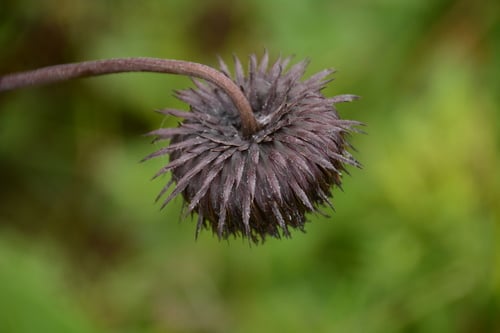
iNaturalist· cc-by-nc
(c) jmneiva, some rights reserved (CC BY-NC)
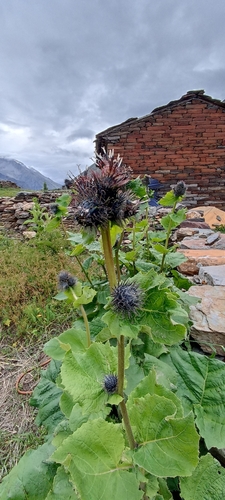
iNaturalist· cc-by-nc
(c) Юрий, some rights reserved (CC BY-NC)
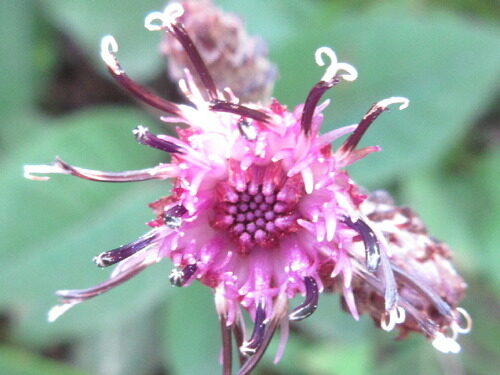
iNaturalist· cc-by-nc
(c) Юрий, some rights reserved (CC BY-NC)
Description
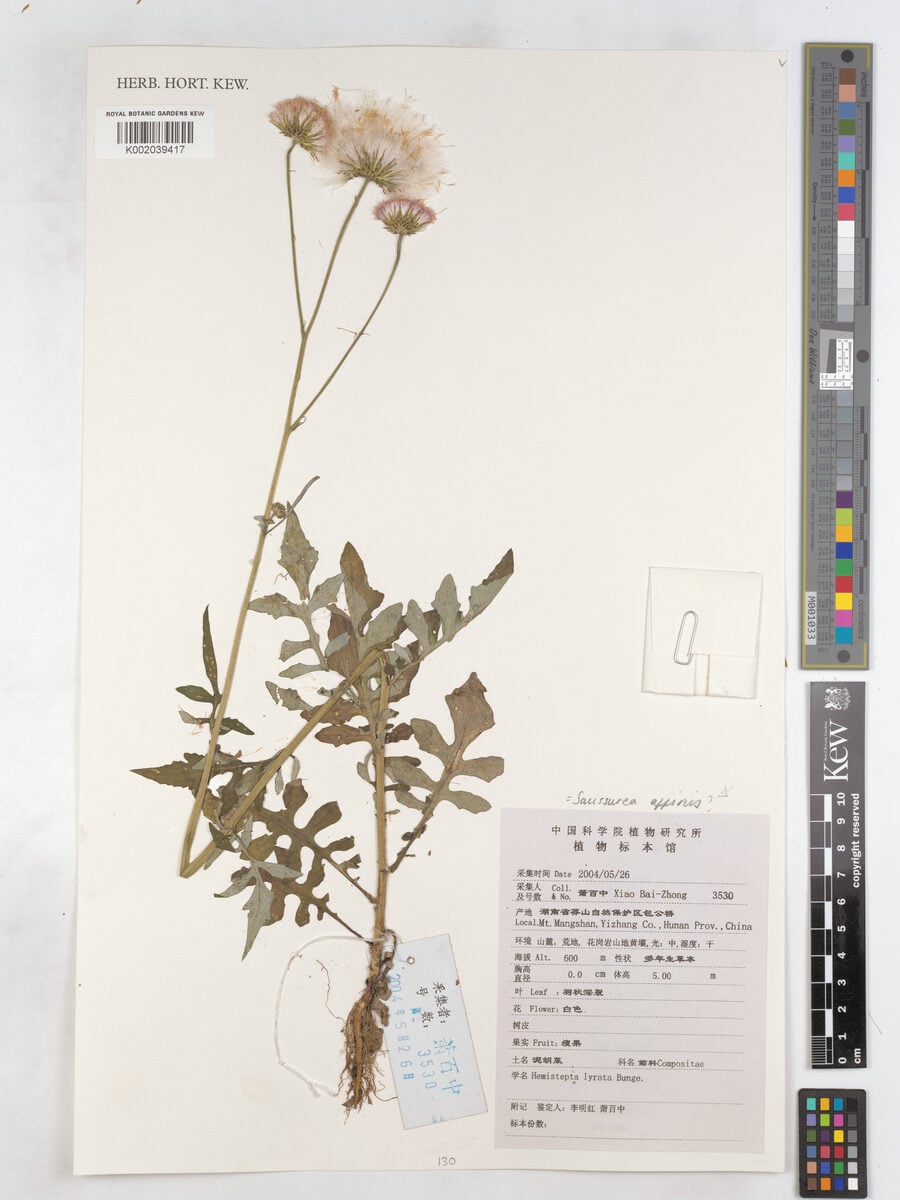
A herb or shrub. It grows 50-120 cm tall. The stem leaves are narrowly oval and 6-8 cm long by 5-7 cm wide. They have a white coating underneath. They are divided into 2 or 3 pairs of segments.
Edible Uses
Leaves are eaten.
Medicinal Uses
Used in medicine.
Distribution
It is a temperate plant. It grows by roadsides, forest margins, slopes, steppe, canyons, river banks or lake sides, brushlands between 400-3000 m altitude in China. In Sichuan and Yunnan.
Where It Grows
Asia, China, Japan, Korea, Mongolia, Russia,
Notes
Used in medicine. There are about 300 Artemisia species. Chemical composition (Indian sample): Protein = 2.93%. Fat = 2.59%. Carbohydrate = 26.5%. Ash = 10.13%. Rich in sugar, Vitamin A, and Adenine.
Synonyms
Also Known As
Aihao
References (4)
- Jia, X., et al, 2022, Ethnobotany of wild edible plants in multiethnic areas of the Gansu–Ningxia–Inner Mongolia junction zone. Journal of Ethnobiology and Ethnomedicine 18:53
- Ling Yuou-ruen & C. J. Humphries, ASTERACEAE (Draft), Tribe ANTHEMIDEAE Cassini, in Flora of China
- Prodr. 6:110. 1838
- READ