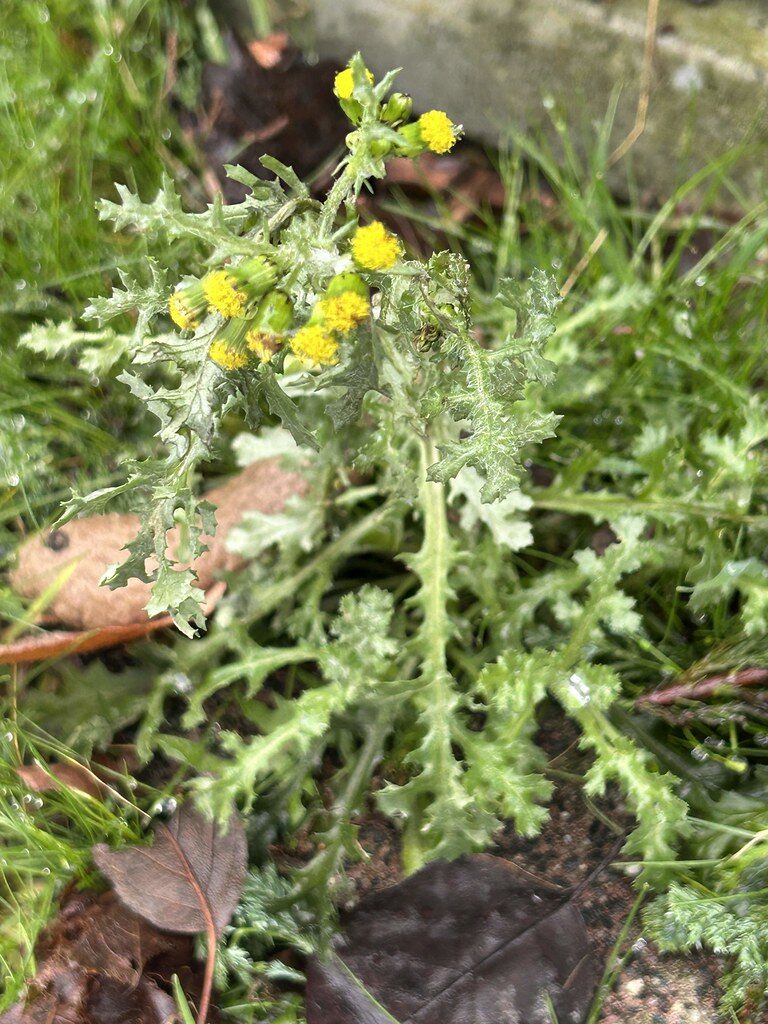
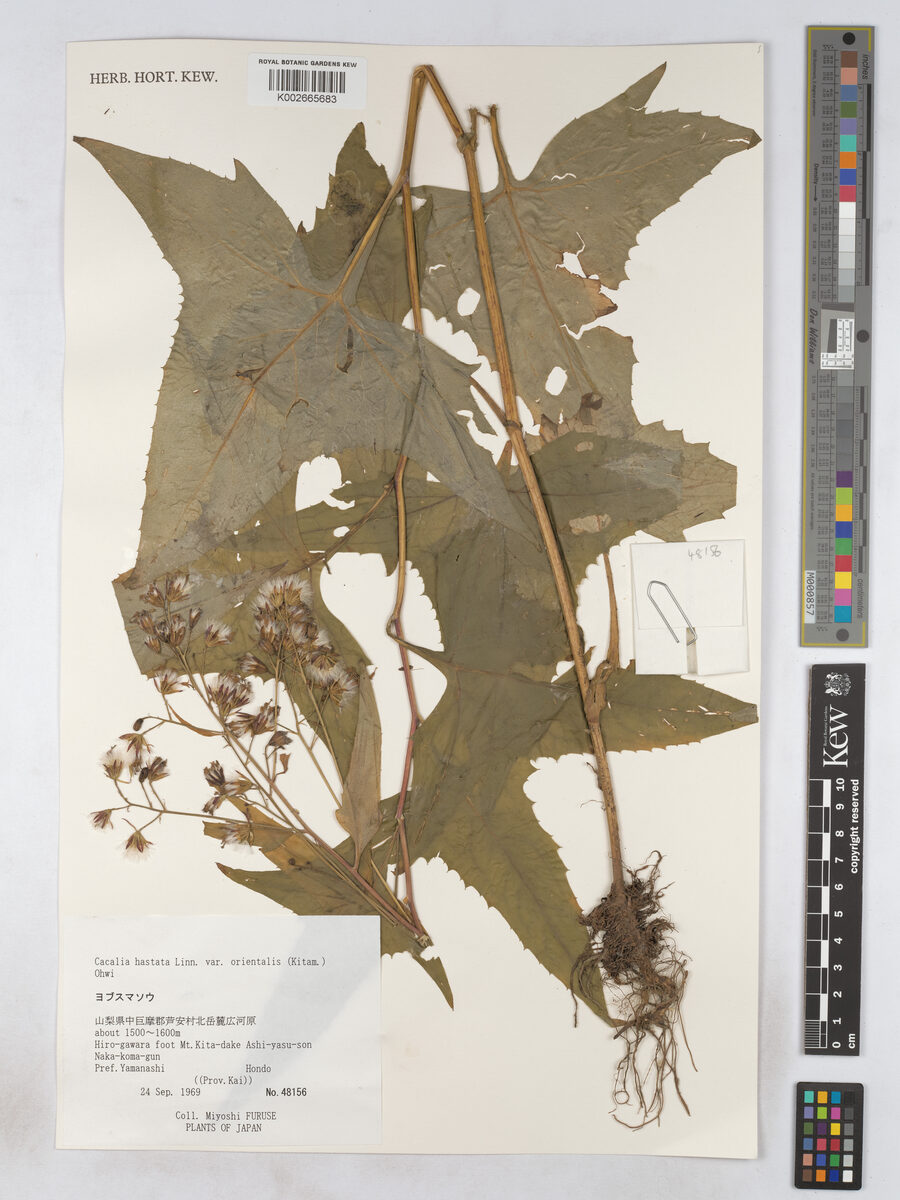
Gynura amplexicaulis
Oliv. & Hiern
iNaturalist· cc-by-nc
(c) Radha Veach, some rights reserved (CC BY-NC), uploaded by Radha Veach
iNaturalist· cc-by-nc
(c) Radha Veach, some rights reserved (CC BY-NC)
Description
A herb. It keeps growing from year to year. It grows 40-100 cm high. It has an unpleasant musky smell. It has a tuberous rootstock. The tubers are 10 cm long by 5 cm across. The stems are fleshy. The leaves are in rings. The leaves at the base are spoon shaped and 4-22 cm long by 3-11 cm wide.
Edible Uses
The leaves are used as a flavouring.
Traditional Uses
Caution: Some kinds can be high in oxalates and these need to be removed by boiling and changing the cooking water.
This uses section is brief — help expand it
Known Hazards
Some varieties can be high in oxalates; these should be removed by boiling and changing the cooking water.
Distribution
It is a tropical plant.
Where It Grows
Africa, Angola, Benin, Burundi, Cameroon, Central Africa, Congo, Côte d'Ivoire, East Africa, Ethiopia, Ghana, Guinea, Guinée, Ivory Coast, Liberia, Malawi, Nigeria, Sierra Leone, Somalia, Togo, West Africa, Zambia,
Other Information
It is a cultivated food plant.
Synonyms
Also Known As
Fugumba, Sitta
References (2)
- Burkill, H. M., 1985, The useful plants of west tropical Africa, Vol. 5. Kew.
- World Checklist of Useful Plant Species 2020. Royal Botanic Gardens, Kew