Tilia x europaea
L.
Common lime, Common linden, Lime tree
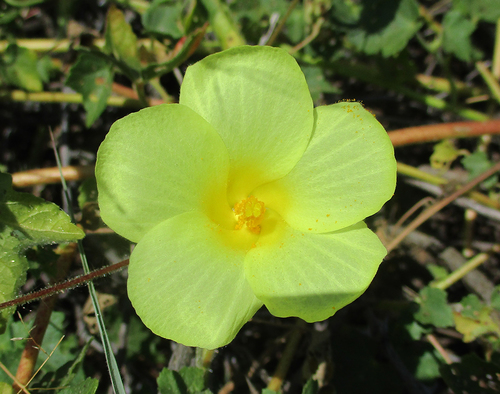
iNaturalist· cc-by
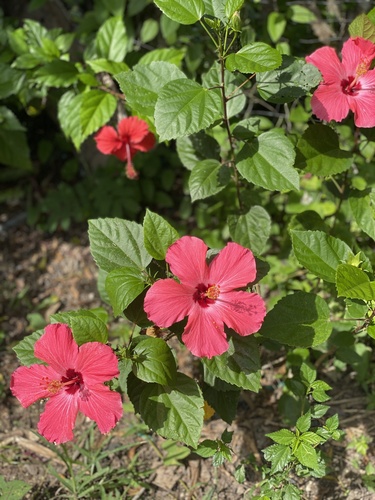
(c) Susan Marley, some rights reserved (CC BY)
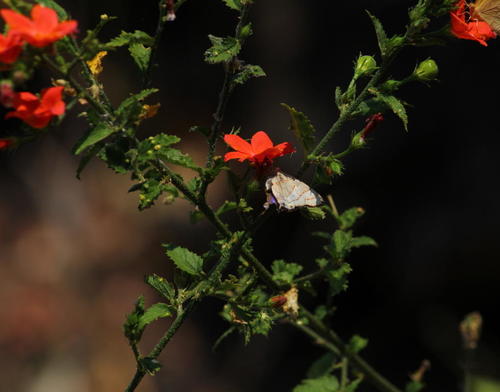
iNaturalist· cc-by-nc
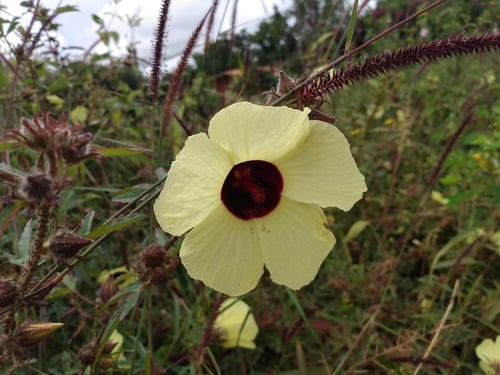
(c) Carlos Franco, some rights reserved (CC BY-NC)
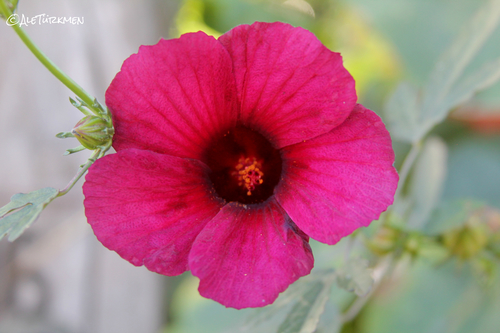
iNaturalist· cc-by-nc
(c) Carlos Franco, some rights reserved (CC BY-NC)
Summary
A deciduous tree reaching 35m tall and 15m wide at medium growth rate. Hardy to UK zone 3. Flowers in July. Hermaphrodite flowers pollinated by insects and attract wildlife. Grows in light sandy, medium loamy, or heavy clay soils, thriving in poor nutritional soil with good drainage. Tolerates mildly acid to basic pH. Prefers moist soil in semi-shade or full sun. Withstands strong winds but not maritime exposure.
Description
A tall tree. It can be 40 m high. The young bark is smooth and grey and the old bark is cracked. The leaves are broad. They are 5-10 cm long and across. The base of the leaves is almost straight across. Underneath the leaf there are white hairs at the junctions of the veins. The flowers are small and creamy-white or yellow. They are 2 cm across. They are carried in clusters from a long bract. The fruit are rounded and hairy with faint ribs. It is 1.2 cm long.
Edible Uses
Young leaves are excellent raw, mild and mucilaginous, making a fine addition to salads. Flowers can also be used as a vegetable. A very acceptable chocolate substitute can be made from a paste of ground flowers and immature fruit, though attempts to market it failed because the paste is very apt to decompose. A refreshing tea made from the dried flowers has a honey-like fragrance — some caution is advised regarding toxicity. Sap can be drunk fresh or concentrated into a syrup and used as a sweetener. An edible manna is also reported from the tree, though it is unclear whether this refers to the sap.
Traditional Uses
The leaves are eaten raw in salads and sandwiches. The flowers have a honey like fragrance and are used for tea. They are also used as a vegetable. They are brewed into wine. The plant produces an edible manna.
Medicinal Uses
Lime flowers are a popular domestic remedy, especially for colds and ailments where sweating is desirable. A tea made from fresh or dried flowers is antispasmodic, diaphoretic, expectorant, hypotensive, laxative, and sedative. It is also used internally for indigestion, hypertension, hardening of the arteries, hysteria, nervous vomiting, and palpitation. The flowers are harvested commercially and widely sold in health shops. Lime flowers are said to develop narcotic properties as they age and should only be harvested when freshly opened. A charcoal made from the wood treats gastric and dyspeptic disturbances and, when powdered, can be applied to burns or sore places.
Known Hazards
Some caution advised regarding flower consumption due to potential toxicity.
Distribution
It is a temperate plant. It is native to Europe. It suits hardiness zones 5-9.
Where It Grows
Australia, Belgium, Britain, Eurasia, Europe, France, North America, Russia, Spain, Turkey, Türkiye, USA,
Cultivation
Prefers a good moist loamy alkaline to neutral soil but succeeds on slightly acid soils. Grows poorly on any very dry or very wet soil. Succeeds on poorer soils than T. platyphyllos. Tolerates considerable exposure. A very valuable bee plant. The flowers are toxic to bees. A food plant for the caterpillars of many butterfly and moth species. This tree is frequently infested by aphis, which cover the ground and the leaves with a sticky honeydew. Although a hybrid species, it does produce fertile seed in Britain. Lime trees tend to hybridise freely if other members of the genus are growing nearby. If growing plants from seed it is important to ensure the seed came from a wild source or from an isolated clump of the single species. Easily transplanted, even when quite large, trees up to 60 years old have been moved successfully. Can be coppiced, the tree produces suckers very freely. Grows best in a woodland situation, young plants tolerate a reasonable level of side shade. Plants in this genus are notably resistant to honey fungus. Note: Tilia × vulgaris B.Heyne is a synonym of Tilia × europaea L. A sprouting standard sending up shoots from the base.
Propagation
Much of the seed produced in Britain is not viable — cut a few seedcases open to check for a seed inside. Where possible, obtain fresh seed that is ripe but has not yet developed a hard seed coat and sow it immediately in a cold frame. It may germinate the following spring, though it could take 18 months. Stored seed can be very slow to germinate due to a hard seed coat, embryo dormancy, and a hard coat on the pericarp — together these factors can mean the seed takes up to 8 years to germinate. One way to shorten this time is to stratify the seed for 5 months at high temperatures (10°c at night, up to 30°c by day) followed by 5 months of cold stratification. When seedlings are large enough to handle, prick them out into individual pots and grow them on in the greenhouse through their first winter. Plant out into permanent positions in late spring or early summer, after the last expected frosts. Layering in spring just before the leaves unfurl takes 1–3 years. Suckers, when formed, can be removed with as much root as possible during the dormant season and replanted immediately.
Other Uses
Fibre from the inner bark — harvested from trunks 15–30cm in diameter — is used to make mats, shoes, baskets, ropes, and cloth. The fibre can also be made into paper: stems are harvested in spring or summer, the leaves removed, and the stems steamed until the fibres can be stripped. The outer bark is peeled or scraped from the inner bark, the fibres cooked for 2 hours with lye, then beaten in a ball mill to produce a beige-coloured paper. The wood is soft, white, and easily carved, suitable for domestic items and small non-durable objects. Charcoal from the wood is used for drawing. The plant acts as a dynamic accumulator, gathering minerals and nutrients from the soil and storing them in a more bioavailable form for use as fertilizer or mulch improvement.
Production
Trees can live for 500 years.
Other Information
It is cultivated.
Notes
These have also been in the Tiliaceae.
Synonyms
References (13)
- Bremness, L., 1994, Herbs. Collins Eyewitness Handbooks. Harper Collins. p 88
- Coombes, A.J., 2000, Trees. Dorling Kindersley Handbooks. p 304
- Cundall, P., (ed.), 2004, Gardening Australia: flora: the gardener's bible. ABC Books. p 1419
- Facciola, S., 1998, Cornucopia 2: a Source Book of Edible Plants. Kampong Publications, p 241
- Harris, E & J., 1983, Field Guide to the Trees and Shrubs of Britain. Reader's Digest. p 40
Show all 13 references Hide references
- Hibbert, M., 2002, The Aussie Plant Finder 2002, Florilegium. p 300
- Irving, M., 2009, The Forager Handbook, A Guide to the Edible Plants of Britain. Ebury Press p 204
- Little, E.L., 1980, National Audubon Society Field Guide to North American Trees. Alfred A. Knopf. p 597
- Michael, P., 2007, Edible Wild Plants and Herbs. Grub Street. London. p 141
- Plants for a Future database, The Field, Penpol, Lostwithiel, Cornwall, PL22 0NG, UK. http://www.scs.leeds.ac.uk/pfaf/
- Sp. pl. 1:514. 1753
- Tanaka,
- Wiersema, J. H. & Leon, B., 2013, World Economic Plants. A Standard Reference CRC Press. 2nd Ed. p 687