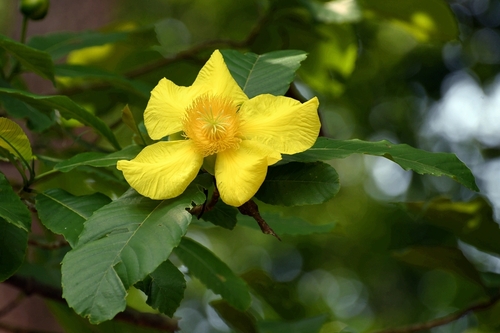
Tetracera potatoria
Afzel. ex G. Don
iNaturalist· cc-by-nc
(c) Carel Jongkind, some rights reserved (CC BY-NC)
iNaturalist· cc-by-nc
(c) Carel Jongkind, some rights reserved (CC BY-NC)
iNaturalist· cc-by-nc
(c) Carel Jongkind, some rights reserved (CC BY-NC)
Description
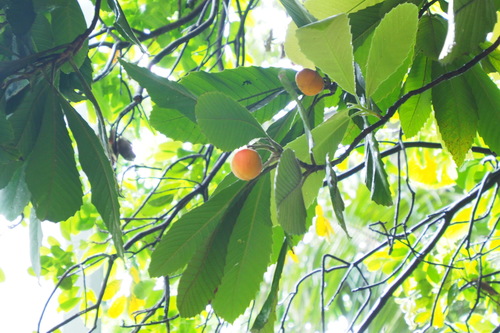
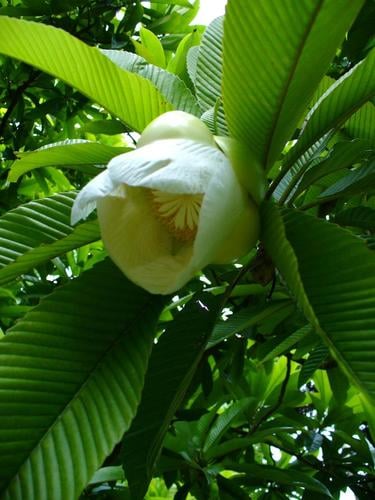
A straggling shrub or woody climber. It can be 5 m long. The young branches are greenish-brown and turn reddish-brown. The leaves are broadly oval and 4-14 cm long by 3-5 cm wide. The edges can be slightly wavy. The flowers are in groups on leafy shoots near the ends of branches.
Edible Uses
The sap from the stem is consumed as a drink, and the leaves are used in sauces.
Traditional Uses
The sap of the stem is used as a drink. The leaves are used in sauces.
This uses section is brief — help expand it
Medicinal Uses
It probably has benefits as an anti-ulcer agent.
Distribution
A tropical plant. It grows between 1,000-1,500 m above sea level. It grows in savannah woodland and palm groves.
Where It Grows
Africa, Burkina Faso, Central Africa, Congo DR, East Africa, Ghana, Guinea, Guinée, Guinea-Bissau, Sierra Leone, Sudan, Tanzania, Uganda, West Africa,
Notes
It probably has benefits as an anti-ulcer agent.
Synonyms
Also Known As
Ebirito, Lata, Mbembi, N'ata, Ngouto, Okukuko, Twihama
References (11)
- Abbiw, D.K., 1990, Useful Plants of Ghana. West African uses of wild and cultivated plants. Intermediate Technology Publications and the Royal Botanic Gardens, Kew. p 42
- Bongers, F. et al (Eds), Forest Climbing Plants of West Africa: Diversity, Ecology and Management. CABI
- Catarino, L. et al, 2019, Edible Leafy Vegetables from West Africa (Guinea-Bissau): Consumption, Trade and Food Potential. Foods 2019, 8, 493
- Grivetti, L. E., 1980, Agricultural development: present and potential role of edible wild plants. Part 2: Sub-Saharan Africa, Report to the Department of State Agency for International Development. p 25
- Jardin, C., 1970, List of Foods Used In Africa, FAO Nutrition Information Document Series No 2.p 106
Show all 11 references Hide references
- Martin, F.W. & Ruberte, R.M., 1979, Edible Leaves of the Tropics. Antillian College Press, Mayaguez, Puerto Rico. p 190
- Okigbo, B.N., Vegetables in Tropical Africa, in Opena, R.T. & Kyomo, M.L., 1990, Vegetable Research and development in SADCC countries. Asian Vegetable Research and development Centre. Taiwan. p 38
- Terashima, H., & Ichikawa, M., 2003, A comparative ethnobotany of the Mbuti and Efe hunter-gatherers in the Ituri Forest, Democratic Republic of Congo. African Study Monographs, 24 (1, 2): 1-168, March 2003
- Termote, C., et al, 2011, Eating from the wild: Turumbu, Mbole and Bali traditional knowledge of non-cultivated edible plants, District Tshopo, DRCongo, Gen Resourc Crop Evol. 58:585-618
- von Katja Rembold, 2011, Conservation status of the vascular plants in East African rain forests. Dissertation Universitat Koblenz-Landau p 183
- World Checklist of Useful Plant Species 2020. Royal Botanic Gardens, Kew