Artemisia abrotanum
Linn.
Southernwood, Lad’s love, Old Man
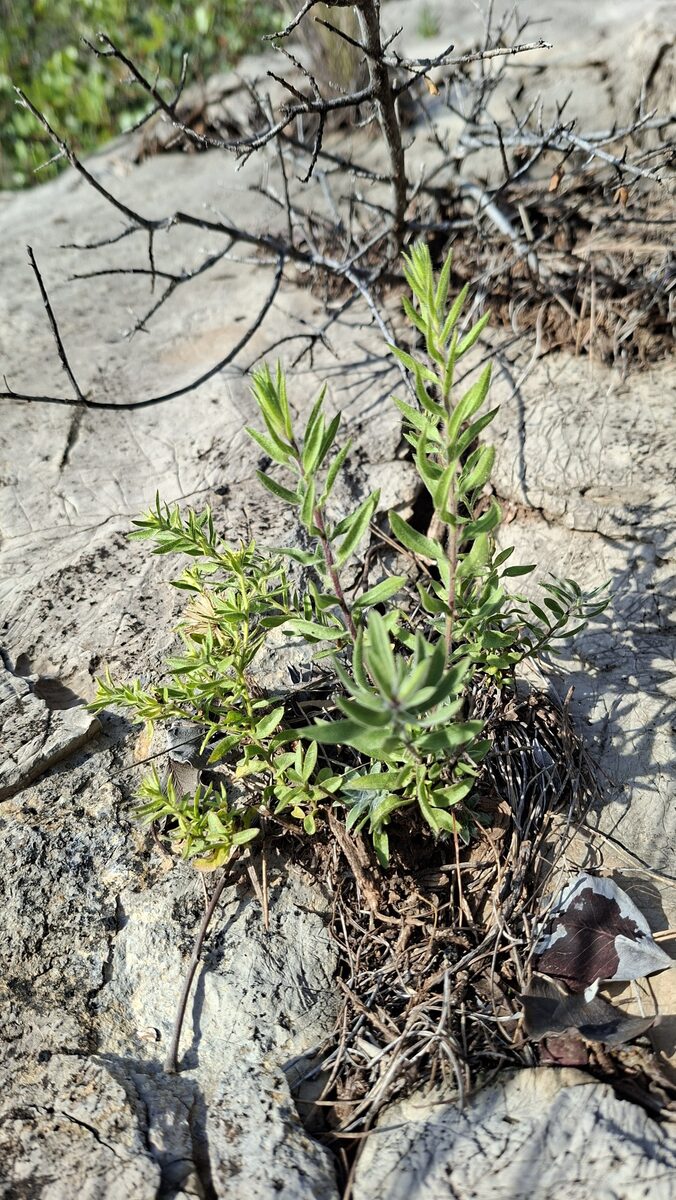
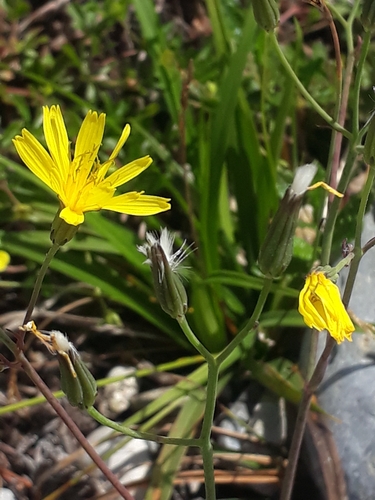
iNaturalist· cc-by-nc
(c) Николай Каранов, some rights reserved (CC BY-NC), uploaded by Николай Каранов
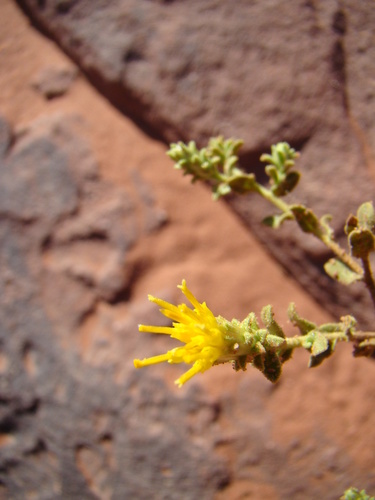
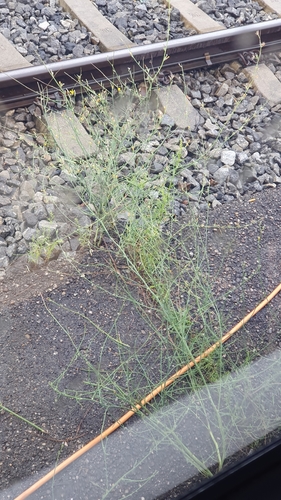
iNaturalist· cc-by
(c) Andrey Zharkikh, some rights reserved (CC BY)
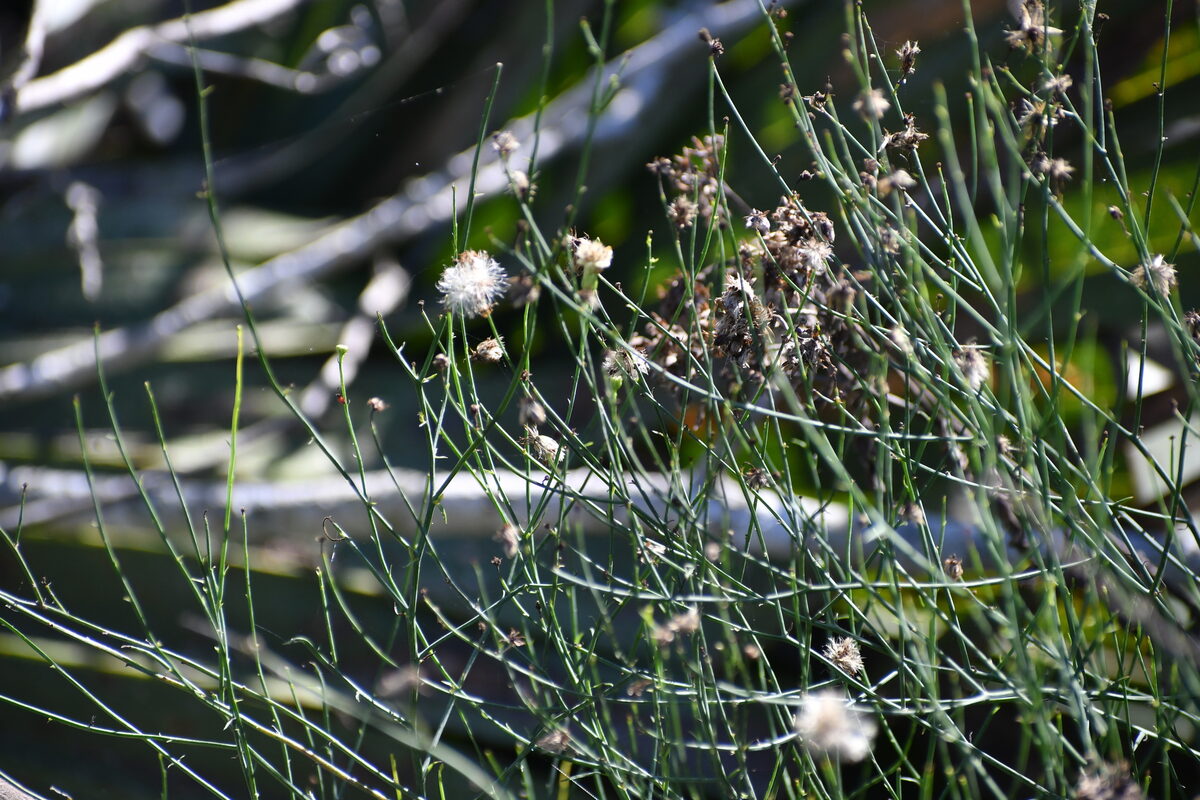
iNaturalist· cc-by-nc
(c) Павкина Екатерина, some rights reserved (CC BY-NC), uploaded by Павкина Екатерина
Summary
Source: WikipediaArtemisia abrotanum, the southernwood, lad's love, or southern wormwood, is a species of flowering plant in the sunflower family. It is native to Eurasia and Africa but naturalized in scattered locations in North America. Other common names include: old man, boy's love, oldman wormwood, lover's plant, appleringie, garderobe, Our Lord's wood, maid's ruin, garden sagebrush, European sage, sitherwood and lemon plant. Southernwood has a strong camphor-like odour and was historically used as an air freshener or strewing herb. It forms a small bushy shrub, which is widely cultivated by gardeners. The grey-green leaves are small, narrow and feathery. The small flowers are yellow. It can easily be propagated by cuttings, or by division of the roots. This plant has gained the Royal Horticultural Society's Award of Garden Merit.
Description
A shrub. It grows 1.2 m tall and spreads 1.2 m wide. It has soft stems. The leaves are grey and finely divided. The leaves are threadlike at the ends. The flowers are small and yellow in heads.
Edible Uses
Edible Parts: Edible Uses: Condiment Tea The young shoots have a bitter, lemony flavour and are used in small quantities as a flavouring in cakes, salads and vinegars. A tea is made from the young bitter shoots.
Traditional Uses
CAUTION: Several plants in this group are poisonous. The young bitter leaves are used to flavour beer and liqueurs. The leaves are used to flavour cakes. The leaves are brewed into tea. The flowering aerial parts are used to make a liqueur.
Medicinal Uses
Anthelmintic Antiseptic Cholagogue Deobstruent Emmenagogue Stomachic Tonic Southernwood has a long history of domestic herbal use, though it is now used infrequently in herbal medicine. It is a strongly aromatic bitter herb that improves digestion and liver function by increasing secretions in the stomach and intestines, it stimulates the uterus and encourages menstrual flow, lowers fevers, relaxes spasms and destroys intestinal worms. The herb, and especially the young flowering shoots, is anthelmintic, antiseptic, cholagogue, deobstruent, emmenagogue, stomachic and tonic. The main use of this herb is as an emmenagogue, though it is also a good stimulant tonic and has some nervine principle. It is sometimes given to young children in order to expel parasitic worms and externally it is applied to small wounds in order to stop them bleeding and help them to heal. The herb is also used externally in aromatic bathes and as a poultice to treat skin conditions. Southernwood should be used internally with caution, see the notes above on toxicity. It should not be prescribed for pregnant women, especially in the first trimester of pregnancy, since it can encourage menstrual flow.
Known Hazards
In 2012, the European Food Safety Authority reported that all the aerial parts of Artemisia abrotanum contain substances that can be toxic to humans, due to the presence in the essential oil of bicyclic monoterpenes and phenylpropanoids. The severity of poison is low but if eaten in large quantities can be very toxic to humans. the parts of the plant that are poisonous are the bark, flowers, fruits, leaves, roots, seeds, and the stems.
Distribution
It is a temperate plant. In Argentina it grows between 500-1,000 m above sea level. It suits hardiness zones 4-10. Hobart Botanical Gardens
Where It Grows
Argentina, Asia, Australia, Austria, Canada, Czech, Europe, France, Germany, Hawaii, Hungary, Italy, Mediterranean, North America, Pacific, Romania, Russia, Siberia, Slovenia, South America, Spain, Switzerland, Tasmania, Turkey, Türkiye, USA, Western Asia, Yugoslavia,
Cultivation
Succeeds in most soils, preferring a well-drained one that is not too rich. Easily grown in a well-drained circumneutral or slightly alkaline loamy soil, preferring a sunny position. Plants are longer lived, more hardy and more aromatic when they are grown in a poor dry soil. Tolerates a pH in the range 6.3 to 7.6. Established plants are drought tolerant. Plants succeed in maritime gardens. Southernwood is often grown in the herb garden, the leaves are very aromatic. It is best to cut the plant back fairly hard every spring in order to keep it compact and encourage plenty of new growth. The plant rarely produces flowers in British gardens. A good companion plant for cabbages. It is also a good plant to grow in the orchard, where it can help to reduce insect pests. Plants in this genus are notably resistant to honey fungus. Members of this genus are rarely if ever troubled by browsing deer.
Propagation
Seed - surface sow from late winter to early summer in a greenhouse. The seed usually germinates in 1 - 2 months at 15°c. When large enough to handle, prick the seedlings out into individual pots. Once the seedlings are more than 15cm tall, plant them out into their permanent positions in late spring or summer. Cuttings of young wood 8cm long, May in a frame. Cuttings of half-ripe wood with a heel, July/August in a frame.
Other Uses
Dye Essential Hair Hedge Hedge Incense Pot-pourri Repellent Insect repellent. The growing plant repels fruit tree moths when growing in an orchard. The fresh plant can also be rubbed onto the skin to deter insects. The shoots can be dried for indoor use, they remain effective for 6 - 12 months. They are also said to repel ants. Shoots can be burnt in the fireplace to remove cooking odours from the house. The leaves have a refreshing lemon-like fragrance and are used in pot-pourri. An essential oil from the leaves and flowering shoots is used in perfumery in order to add certain subtle tones. A yellow dye is obtained from the branches. Plants can be grown as a low hedge, they tolerate quite hard clipping. An infusion of the plant is used as a hair tonic or conditioner. Special Uses Hedge Hedge Scented Plants
Notes
There are about 300 Artemisia species.
Synonyms
Also Known As
Abrašica, Broida, Southern wormwood
References (21)
- Bircher, A. G. & Bircher, W. H., 2000, Encyclopedia of Fruit Trees and Edible Flowering Plants in Egypt and the Subtropics. AUC Press. p 42
- Bodkin, F., 1991, Encyclopedia Botanica. Cornstalk publishing, p 104
- Bonet, M. A. & Valles, J., 2002, Use of non-crop food vascular plants in Montseny biosphere reserve (Catalonia, Iberian Peninsula). International Journal of Food Sciences and Nutrition (2002) 53, 225–248
- Bremness, L., 1994, Herbs. Collins Eyewitness Handbooks. Harper Collins. p 150
- Brickell, C. (Ed.), 1999, The Royal Horticultural Society A-Z Encyclopedia of Garden Plants. Convent Garden Books. p 140
Show all 21 references Hide references
- Brown, D., 2002, The Royal Horticultural Society encyclopedia of Herbs and their uses. DK Books. p 132
- Cundall, P., (ed.), 2004, Gardening Australia: flora: the gardener's bible. ABC Books. p 190
- Ertug, F, Yenen Bitkiler. Resimli Türkiye Florası -I- Flora of Turkey - Ethnobotany supplement
- Facciola, S., 1998, Cornucopia 2: a Source Book of Edible Plants. Kampong Publications, p 33
- Hibbert, M., 2002, The Aussie Plant Finder 2002, Florilegium. p 33
- Kiple, K.F. & Ornelas, K.C., (eds), 2000, The Cambridge World History of Food. CUP p 434, 1855
- Kybal, J., 1980, Herbs and Spices, A Hamlyn Colour Guide, Hamlyn Sydney p 44
- Michael, P., 2007, Edible Wild Plants and Herbs. Grub Street. London. p 222
- Seidemann J., 2005, World Spice Plants. Economic Usage, Botany, Taxonomy. Springer. p 52 (Also as Artemisia procera)
- Sp. pl. 2:845. 1753
- Staples, G.W. and Herbst, D.R., 2005, A tropical Garden Flora. Bishop Museum Press, Honolulu, Hawaii. p 154
- Tardio, J., et al, 2006, Ethnobotanical review of wild edible plants in Spain. Botanical J. Linnean Soc. 152, 27-71
- Trendafilova, A., et al, 2020, Research Advances on Health Effects of Edible Artemisia Species and Some Sesquiterpene Lactones Constituents. Foods 2021, 10, 65. p 4
- Wiersema, J. H. & Leon, B., 2013, World Economic Plants. A Standard Reference CRC Press. 2nd Ed. p 71
- Wilson, S., 1997, Some Plants are Poisonous. Reed. p 23
- World Checklist of Useful Plant Species 2020. Royal Botanic Gardens, Kew