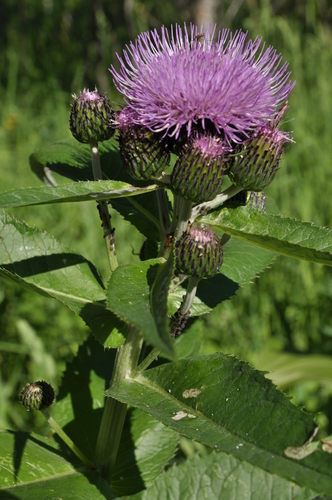
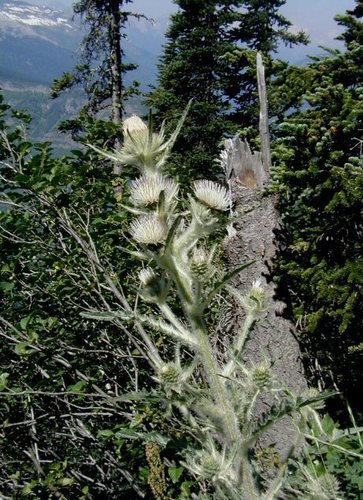
Tephroseris integrifolia
(L.) Holub.
iNaturalist· cc-by-nc
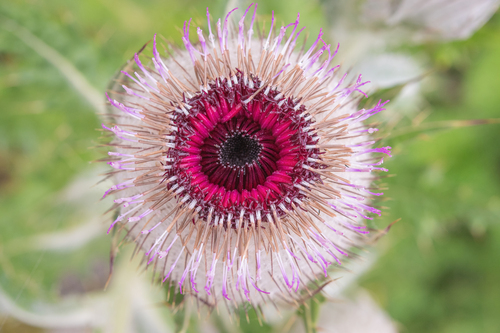
(c) Norbert Sauberer, some rights reserved (CC BY-NC), uploaded by Norbert Sauberer
iNaturalist· cc-by-nc
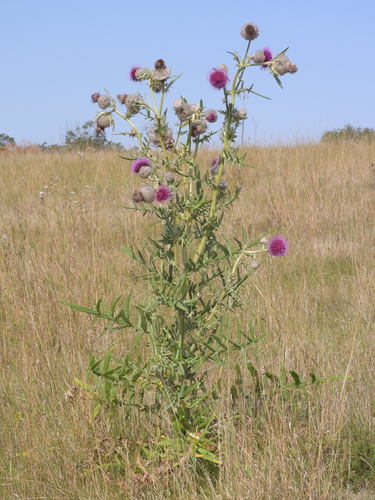
(c) Degtyarev Nikolai Ivanovich, some rights reserved (CC BY-NC), uploaded by Degtyarev Nikolai Ivanovich
iNaturalist· cc-by-nc
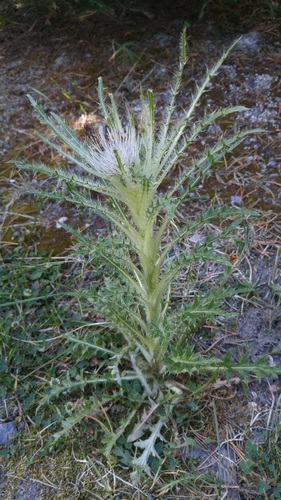
(c) Vladimir Bryukhov, some rights reserved (CC BY-NC), uploaded by Vladimir Bryukhov
Summary
Source: WikipediaTephroseris integrifolia (vernacular name: field fleawort) is a species of flowering plant belonging to the family Asteraceae. Its native range is Europe to Siberia and Iran. Synonym: Senecio integrifolius (L.) Clairv. Subspecies: Tephroseris integrifolia subsp. maritima (Syme) B.Nord.
Description
Tephroseris integrifolia is a perennial reaching 1 m tall, hardy to UK zone 6. Flowers appear from June to July and are pollinated by insects. The plant grows in light sandy, medium loamy, or heavy clay soils preferring good drainage. It tolerates mildly acid, neutral, and basic soils, requires full sun, prefers moist conditions, and can withstand maritime exposure.
Edible Uses
Young leaves are edible when cooked.
Medicinal Uses
The plant acts as a parasiticide and is effective against skin diseases.
Distribution
It is a temperate plant.
Where It Grows
Asia, China, Mongolia,
Propagation
Sow seed in spring in a greenhouse, barely covering it, and ensure the compost does not dry out. Prick seedlings into individual pots when large enough to handle, overwinter the young plants in the greenhouse during their first year, then plant out in late spring. Can also be propagated by division in spring.
Other Uses
A parasiticide obtained from the plant is effective when applied to the skin and to clothing.
Synonyms
Also Known As
Kou She Ts'Ao
References (2)
- Plants for a Future database, The Field, Penpol, Lostwithiel, Cornwall, PL22 0NG, UK. http://www.scs.leeds.ac.uk/pfaf/
- Urgamal, M., Oyuntsetseg, B., Nyambayar, D. & Dulamsuren, Ch. 2014. Conspectus of the vascular plants of Mongolia. (Editors: Sanchir, Ch. & Jamsran, Ts.). Ulaanbaatar, Mongolia. “Admon“ Press. 334pp. (p. 199-230).