Tagetes micrantha
Cav.
iNaturalist· cc-by
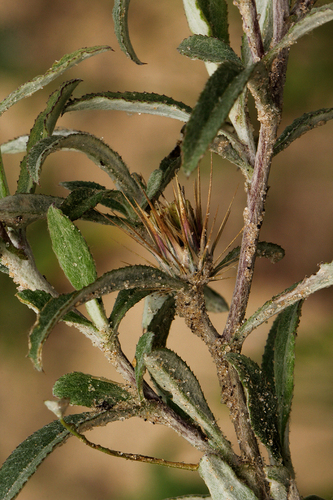
(c) carlosmartorell69, some rights reserved (CC BY), uploaded by carlosmartorell69
iNaturalist· cc-by-nc
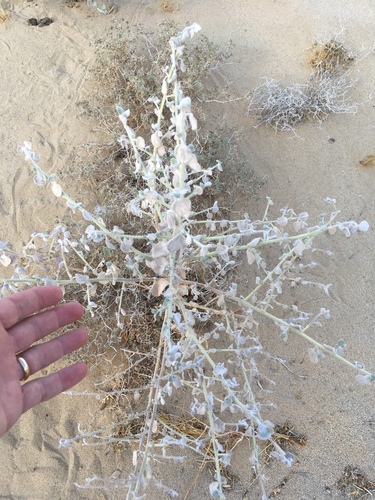
(c) Ignacio Torres-García, some rights reserved (CC BY-NC), uploaded by Ignacio Torres-García
iNaturalist· cc-by-nc
(c) patriciasamperio, some rights reserved (CC BY-NC)
Summary
Source: WikipediaTagetes micrantha is a North American species of wild marigold within the family Asteraceae, common name licorice marigold. It is widespread across much of Mexico from Chihuahua to Oaxaca, and found also in the southwestern United States (Arizona, New Mexico, western Texas). Tagetes micrantha is an annual herb sometimes reaching as much as 35 cm (14 inches) tall. Leaves are up to 35 mm (1.4 inches) long, pinnately compound very narrow leaflets. The plant generally produces only one flower head per stem, each head usually with no ray florets but occasionally 1 or 2, along with 5-6 disc florets. Flowers bloom August to September. The plant is found in disturbed sites as well as in open woodlands with scattered pines and junipers.
Description
A fast-growing annual reaching 0.3 m (1ft) tall with hermaphroditic, insect-pollinated flowers. Self-fertile and attracts wildlife. Tolerates light sandy, medium loamy, and heavy clay soils with good drainage. Grows in mildly acidic, neutral, and basic soils. Requires full sun and accepts both dry and moist conditions. Hardy to UK zone 7 and frost tender.
Edible Uses
None known
Medicinal Uses
The plant is used as a remedy for stomach complaints, colds, and fevers.
Known Hazards
We have no information on this species, though other members of the genus have an irritant sap that can cause dermatitis in sensitive people.
Distribution
It is a subtropical plant.
Where It Grows
Mexico, North America, USA,
Cultivation
Requires a well-drained moderately fertile soil in a sunny position. Plants are not very resistant to frosts and need to be grown as half hardy annuals. Removing dead flowers before the seed is formed will extend the flowering season. Most members of this genus are very good companion plants, see 'Other Uses' below for more details. Plants are prone to slugs, snails and botrytis. Tagetes micrantha, commonly known as licorice marigold, is a hermaphroditic plant, meaning it possesses both male and female reproductive organs. While specific information on its self-fertility is limited, many Tagetes species are capable of self-pollination. However, they are typically pollinated by insects, which can enhance seed production and genetic diversity.
Propagation
Sow seed in March in a greenhouse, barely covering it. Germination typically occurs within 2 weeks. When seedlings are large enough to handle, prick them out into individual pots and plant outside after the last expected frosts.
Other Uses
Secretions from the roots of growing plants have an insecticidal effect on the soil against nematodes and, to some extent, keeled slugs, developing about 3–4 months after sowing. These root secretions also have a herbicidal effect, inhibiting the growth of certain nearby plants, and have been found effective against perennial weeds including Ranunculus ficaria (celandine), Aegopodium podagraria (ground elder), Glechoma hederacea (ground ivy), Agropyron repens (couch grass), and Convolvulus arvensis (field bindweed). An essential oil distilled from the leaves and flowering stems — harvested when the plant is setting seed — is used as an insect repellent and in perfumery. Dried plants can also be hung indoors as an insect repellent.
Synonyms
Also Known As
Anisillo
References (4)
- Caballero, J. N., & Mapes, C. S., 1985, Gathering and Subsistence Patterns among the P'urhepecha Indians of Mexico. J. Ethnol. 5(1): 31-47
- Diaz-Betancourt, M., et al, 1999, Weeds as a future source for human consumption. Rev. Biol. Trop. 47(3):329-338
- Kew Plants of the World Online
- Piedra-Malagón, E. M. et al, 2022, Edible native plants of the Gulf of Mexico Province. Biodiversity Data Journal 10: e80565 p 13