Tanacetum vulgare
L.
Tansy
iNaturalist· cc-by-nc
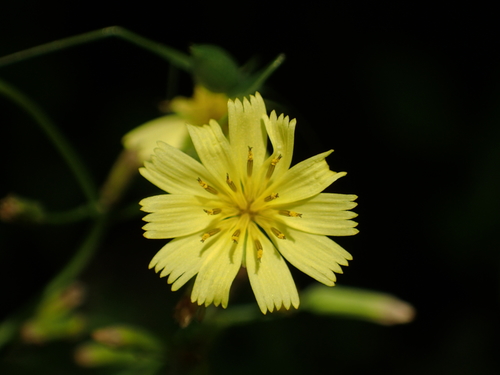
(c) Robert D Stevenson, some rights reserved (CC BY-NC), uploaded by Robert D Stevenson
iNaturalist· cc-by-nc
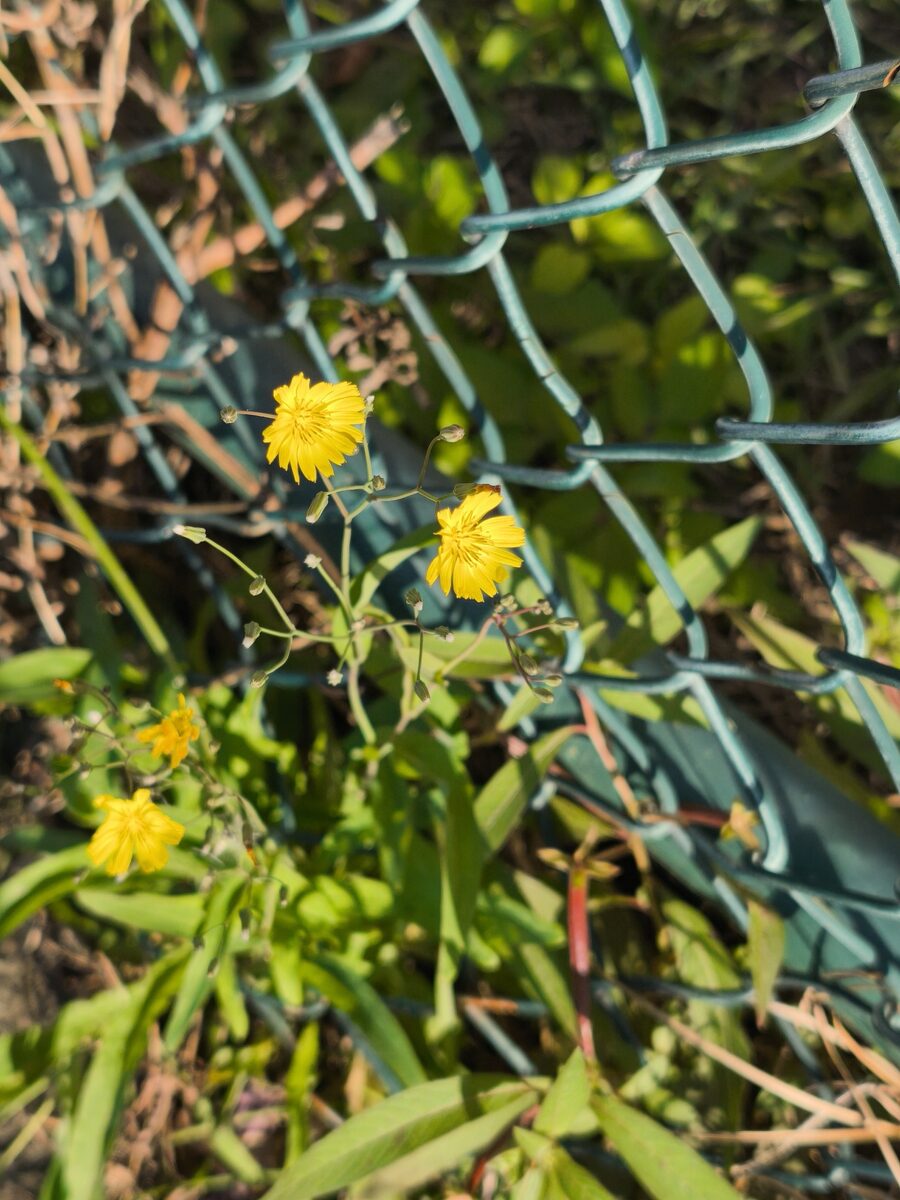
(c) Mark Nofsinger, some rights reserved (CC BY-NC), uploaded by Mark Nofsinger
iNaturalist· cc-by
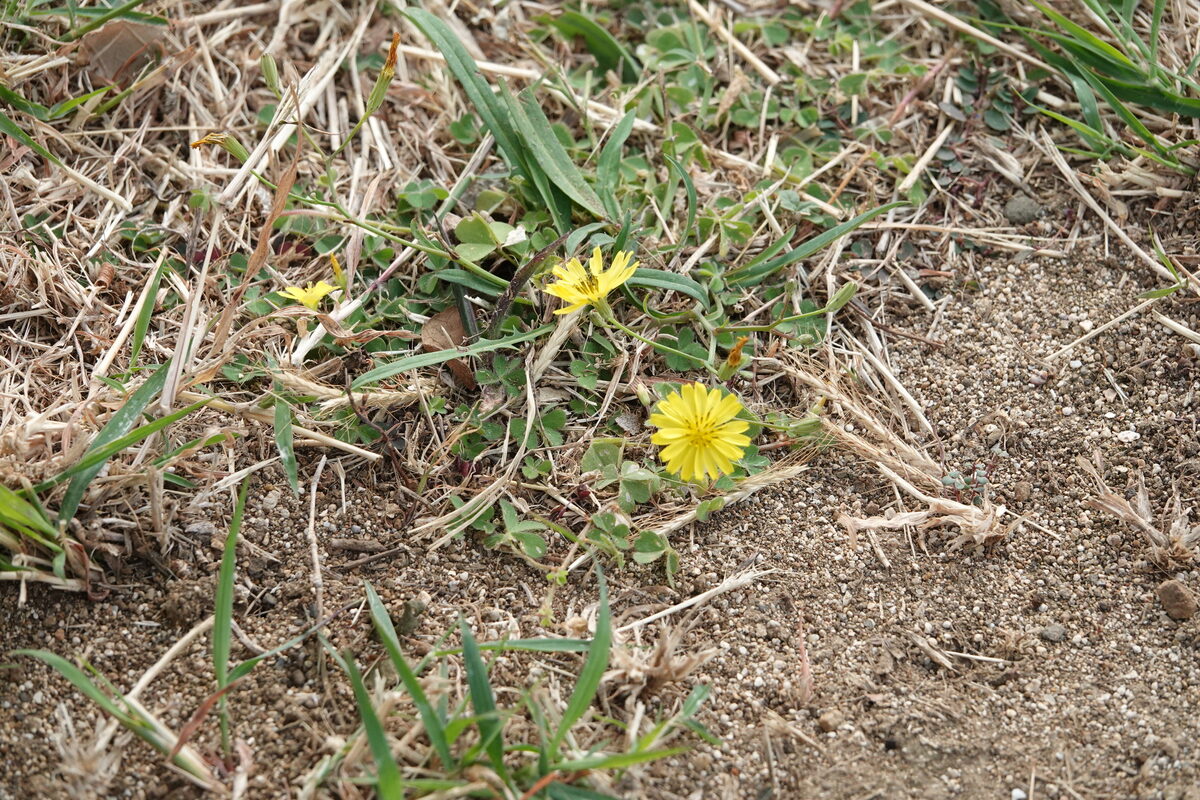
(c) Thilina Hettiarachchi, some rights reserved (CC BY), uploaded by Thilina Hettiarachchi
Summary
Source: WikipediaA tall perennial reaching 1 m by 1.5 m at fast rate, hardy to UK zone 4 and not frost tender. Grows in light sandy, medium loamy, and heavy clay soils preferring good drainage, tolerating mildly acid to basic pH. Requires full sun with dry or moist soil. Tolerates strong winds but not maritime exposure. Noted for attracting wildlife. Flowers August to September; seeds ripen August to October. Hermaphrodite blooms pollinated by bees, flies, and beetles; self-fertile.
Description
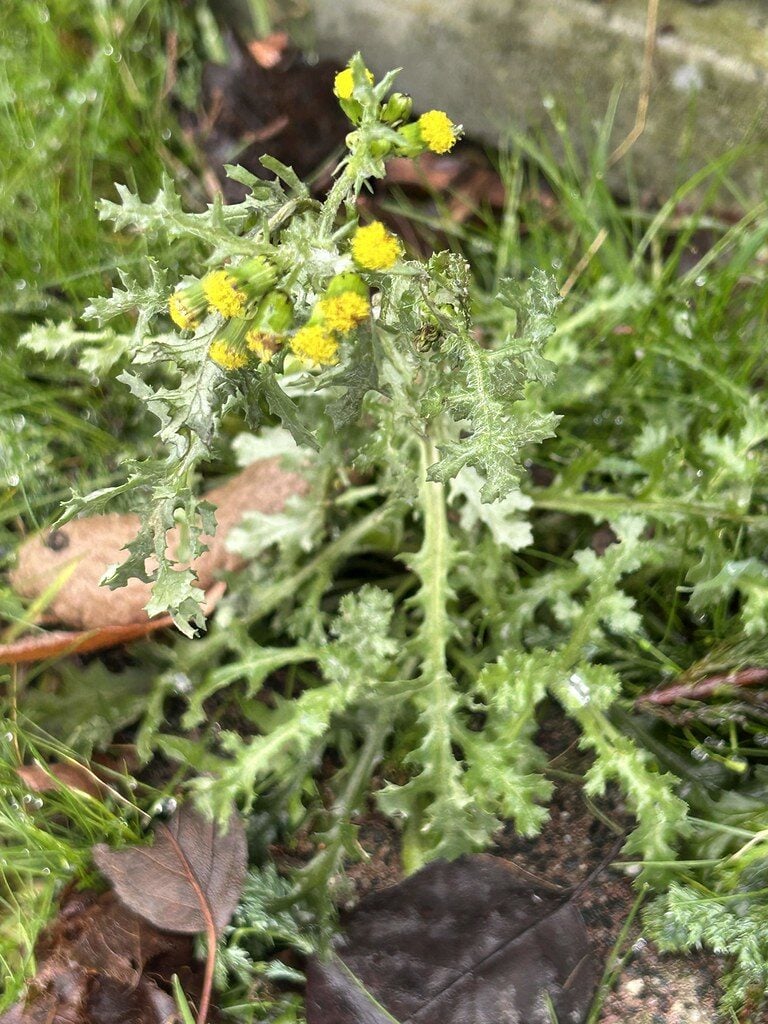
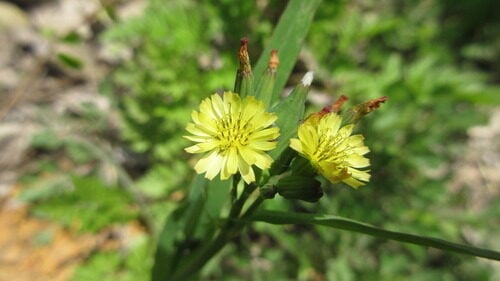
A herb. It grows 90-120 cm high. It spreads 90-120 cm wide. The leaves are divided along the stalk. They look like feathers. The leaves are 12-25 cm long. The leaves are very green and have an aroma and bitter taste. The flowers are bright yellow and occur in clusters. These are about 7 mm wide and the clusters 10 cm wide. They do not have petals.
Edible Uses
Young leaflets can be eaten raw or cooked and added in small quantities to salads. The plant is also used as a flavouring, serving as a substitute for nutmeg and cinnamon, though it is not recommended for internal use. The flowers have a unique flavour and can be eaten or used as a garnish. A bitter, mildly lemon-flavoured tea is made from the leaves and flowering stems.
Traditional Uses
CAUTION: It contains toxic properties. It contains thujone. The leaves are used as flavouring in egg dishes. The fresh leaves are added to desserts. The leaves are somewhat bitter and used to flavour pastries, pies and marinade. The leaves and flowers are brewed into a bitter lemon flavoured tea. They are also added to beer.
Medicinal Uses
Tansy is a commonly grown domestic remedy useful across a wide range of complaints, though it is little used in modern herbalism. Its main value is as a vermifuge for expelling intestinal worms and, to a lesser extent, for stimulating menstrual bleeding. It should be used with caution as it is possibly unsafe for internal use, especially during pregnancy. The essential oil in the leaves is toxic — as little as half an ounce can kill an adult. The leaves and flowering tops are anthelmintic, antispasmodic, bitter, carminative, emmenagogue, stimulant, and tonic. An infusion of the leaves or whole plant treats menstrual irregularities and intestinal worms, particularly in children, and is also valuable for hysteria, kidney weakness, stomach problems, and fevers. In larger doses the plant can procure an abortion, but such doses are potentially poisonous. Externally, tansy is applied as a poultice to swellings and certain eruptive skin diseases, and used to kill lice, fleas, and scabies — though even external use carries a risk of toxicity. The plant is harvested as it comes into flower and dried for later use. The seeds are also used as an anthelmintic.
Known Hazards
Many tansy species contain a volatile oil which can cause contact dermatitis in sensitive individuals. If taken internally, toxic metabolites are produced as the oil is broken down in the liver and digestive tract. It is highly toxic to internal parasites, and for centuries tansy tea has been prescribed by herbalists to expel worms. Tansy is an effective insecticide and is highly toxic to arthropods. Because it contains thujone, the U.S. FDA limits the use of tansy to alcoholic beverages, and the final product must be thujone-free. Tanacetum annuum is often confused with common tansy (Tanacetum vulgare) but the former produces an essential oil that is completely different chemically as it contains no thujone and high amounts of chamazulene making the oil dark blue in color, giving rise to its common name of Blue Tansy Oil. Despite claims by some unethical resellers of essential oils who adulterate the very expensive Blue Tansy (Tanacetum annuum) oil with the much cheaper oil from Tanacetum vulgare, the oil from Tanacetum vulgare is never blue in color as it contains no chamazulene. For this reason a high thujone oil from Tanacetum vulgare should never be referred to as "Blue Tansy" oil and any such blue oil containing significant thujone is an adulterated product. The active components of the volatile oil include 1,8-cineole, trans-thujone, camphor and myrtenol, with the quantities and proportions of each varying seasonally and from plant to plant. 1,8-Cineole is a toxin believed to defend the plant leaves against attacks by herbivores.
Distribution
It is a temperate plant. It will grow in most soils. It needs an open sunny position. It suits hardiness zones 4-9.
Where It Grows
Alaska, Albania, Argentina, Armenia, Asia, Australia, Austria, Balkans, Belarus, Belgium, Bolivia, Bosnia, Brazil, Britain, Bulgaria, Canada, Caucasus, Central Asia, Chile, China, Cuba, Czech Republic, Denmark, Ecuador, Estonia, Europe*, Falklands, France, Greece, Hawaii, Hungary, Iceland, India, Ireland, Italy, Japan, Kazakhstan, Korea, Kyrgyzstan, Lithuania, Luxembourg, Manchuria, Mediterranean, Mongolia, Netherlands, New Zealand, North America, Norway, Pacific, Panama, Paraguay, Peru, Poland, Portugal, Reunion, Romania, Russia, Scandinavia, Siberia, Sicily, Slovenia, South America, Spain, Sweden, Switzerland, Tasmania, Trinidad-Tobago, Turkey, Türkiye, Turkmenistan, Ukraine, Uruguay, USA, Uzbekistan, Venezuela, West Indies, Yugoslavia,
Cultivation
Succeeds in an ordinary garden soil. Plants thrive in almost any soil. Tansy is occasionally grown in the herb garden, though a site for growing this plant should be selected with care since it usually spreads very aggressively at the roots. There are some named varieties. 'Fernleaf' is a more decorative compact form to about 75cm, it does not spread so quickly. A good plant to grow in the orchard, when grown under fruit trees, raspberries, roses etc it repels insects from them. The flowering plant attracts hoverflies and butterflies. In garden design, as well as the above-ground architecture of a plant, root structure considerations help in choosing plants that work together for their optimal soil requirements including nutrients and water.
Propagation
Sow seed in spring in a greenhouse, barely covering it and keeping the pot moist. Prick seedlings into individual pots once large enough and plant out in summer. Division is straightforward at almost any point during the growing season, though spring is generally best. Larger divisions can go directly into permanent positions; smaller ones are best potted up and grown on in light shade in a greenhouse or cold frame until well established, then planted out in summer or the following spring.
Other Uses
Young shoots yield a green dye; the leaves and flowers can also be used, and a yellow dye is obtainable as well. The plant is used as a strewing herb in cellars, churches, and similar spaces to repel insects. Both the growing and dried plant are said to repel flies, ants, and fleas, especially when mixed with elder leaves (Sambucus spp.). The leaves and flowering shoots contain 0.15% of an essential oil comprising camphor, borneol, and thujone. The leaves, oil, and plant material have been used to kill fleas and lice. Thujone is an effective insecticide but is highly toxic to mammals in excess. The plant makes a good addition to the compost heap, being valued for its mineral content.
Other Information
It is used as one of the bitter herbs for Jewish passover. It is foraged and used in restaurants in Sweden. It is sold in local markets. It is cultivated.
Notes
Used as a medicine. Used as an insecticide. There are about 70 Tanacetum species.
Synonyms
Also Known As
Arquebuse, Bitter buttons, Golden buttons, Meghvamushk, Navadni vratič, Peilmundi, Rainfarn, Reinvars, Tanaceto, Tanaise, Tanarides, Tarkavan, Vratic
References (49)
- Ambasta, S.P. (Ed.), 2000, The Useful Plants of India. CSIR India. p 122, 620
- Blamey, M and Grey-Wilson, C., 2005, Wild flowers of the Mediterranean. A & C Black London. p 445
- Bodkin, F., 1991, Encyclopedia Botanica. Cornstalk publishing, p 967
- Bodkin, F., 1991, Encyclopedia Botanica. Cornstalk publishing, p 256 (As Chrysanthemum vulgare)
- Bremness, L., 1994, Herbs. Collins Eyewitness Handbooks. Harper Collins. p 221
Show all 49 references Hide references
- Burnie, G & Fenton-Smith, J., 1999, A Grower's Guide to Herbs. Murdoch Books. p 67
- Cerne, M., 1992, Wild Plants from Slovenia used as Vegetables. Acta Horticulturae 318
- Cormack, R. G. H., 1967, Wild Flowers of Alberta. Commercial Printers Edmonton, Canada. p 399
- Cundall, P., (ed.), 2004, Gardening Australia: flora: the gardener's bible. ABC Books. p 1400
- Curtis, W.M., 1963, The Students Flora of Tasmania Vol 2 p 360
- Esperanca, M. J., 1988. Surviving in the wild. A glance at the wild plants and their uses. Vol. 2. p 270 (As Chrysanthemum vulgaris)
- Facciola, S., 1998, Cornucopia 2: a Source Book of Edible Plants. Kampong Publications, p 43
- Girard, N. J., 2020, Sustainable Foraging of Wild Edible Plants in Norway. A Biocultural Approach. M. Sc. thesis Norwegian University. p 128
- Hibbert, M., 2002, The Aussie Plant Finder 2002, Florilegium. p 297
- http://nordicfood lab/org/blog/2102/9/wild-edible-plants-an-overview
- http://www.botanic-gardens-ljubljana.com/en/plants
- Irving, M., 2009, The Forager Handbook, A Guide to the Edible Plants of Britain. Ebury Press p 161
- Kalle, R. & Soukand, R., 2012, Historical ethnobotanical review of wild edible plants of Estonia (1770s-1960s) Acta Societatis Botanicorum Poloniae 81(4):271-281
- Kermath, B. M., et al, 2014, Food Plants in the Americas: A survey of the domesticated, cultivated and wild plants used for Human food in North, Central and South America and the Caribbean. On line draft. p 856
- Kew Plants of the World Online
- Kiple, K.F. & Ornelas, K.C., (eds), 2000, The Cambridge World History of Food. CUP p 434, 1865
- Kybal, J., 1980, Herbs and Spices, A Hamlyn Colour Guide, Hamlyn Sydney p 188
- Lazarides, M. & Hince, B., 1993, Handbook of Economic Plants of Australia, CSIRO. p 234
- Lentini, F. and Venza, F., 2007, Wild food plants of popular use in Sicily. J Ethnobiol Ethnomedicine. 3: 15
- Lim, T. K., Edible Medicinal and Non-Medicinal Plants Volume 7 Flowers
- Ling Yuou-ruen & C. J. Humphries, ASTERACEAE (Draft), Tribe ANTHEMIDEAE Cassini, in Flora of China.
- Low, T., 1991, Wild Herbs of Australia and New Zealand. Angus & Robertson. p 79 (Drawing)
- Luczaj, L. et al, 2012, Wild food plant use in 21st century Europe: the disappearance of old traditions and the search for new cuisines involving wild edibles. Acta Soc Bot Pol 81(4):359–370
- Mabey, R., 1973, Food for Free. A Guide to the edible wild plants of Britain, Collins. p 142 (As Chrysanthemum vulgare)
- MacKinnon, A., et al, 2009, Edible & Medicinal Plants of Canada. Lone Pine. p 361
- Mattalia, G., et al, 2012, Traditional uses of wild food and medicinal plants among Brigasc, Kye ́, and Provenc ̧al communities on the Western Italian Alps. Genet Resour Crop Evol. Springer
- Michael, P., 2007, Edible Wild Plants and Herbs. Grub Street. London. p 235
- Nanagulyan, S., et al, 2020, Wild plants and fungi sold in the markets of Yerevan (Armenia). Journal of Ethnobiology and Ethnomedicine 16:26
- Pasta, S., et al, 2020, An Updated Checklist of the Sicilian Native Edible Plants: Preserving the Traditional Ecological Knowledge of Century-Old Agro-Pastoral Landscapes. Frontiers in Plant Science. Volume 11|Article 388
- Pieroni, A.,& Giusti, M. E., 2009, Alpine Ethnobotany in Italy: Journal of Ethnobiology and Ethnomedicine. 5:32
- Pieroni, A. & Soukand, R., 2018, Forest as Stronghold of Local Ecological Practice: Currently Used Wild Food Plants in Polesia, Northern Ukraine. Economic Botany, XX(X) pp. 1-21
- Plants for a Future database, The Field, Penpol, Lostwithiel, Cornwall, PL22 0NG, UK. http://www.scs.leeds.ac.uk/pfaf/
- Redzic, S. J., 2006, Wild Edible Plants and their Traditional Use in the Human Nutrition in Bosnia-Herzegovina. Ecology of Food and Nutrition, 45:189-232
- Shikov, A. N. et al, 2017, Traditional and Current Food Use of Wild Plants Listed in the Russian Pharmacopoeia. Frontiers in Pharmacology. Vol. 8 Article 841
- Simkova, K. et al, 2014, Ethnobotanical review of wild edible plants used in the Czech Republic. Journal of Applied Botany and Food Quality 88, 49-67
- Sp. pl. 2:844. 1753
- Staples, G.W. and Herbst, D.R., 2005, A tropical Garden Flora. Bishop Museum Press, Honolulu, Hawaii. p 170
- Tasmanian Herbarium Vascular Plants list p 14
- Tardio, J., et al, Ethnobotanical review of wild edible plants in Spain. Botanical J. Linnean Soc. 152 (2006), 27-71
- Upson, R., & Lewis R., 2014, Updated Vascular Plant Checklist and Atlas for the Falkland Islands. Falklands Conservation and Kew.
- Urgamal, M., Oyuntsetseg, B., Nyambayar, D. & Dulamsuren, Ch. 2014. Conspectus of the vascular plants of Mongolia. (Editors: Sanchir, Ch. & Jamsran, Ts.). Ulaanbaatar, Mongolia. “Admon“ Press. 334pp. (p. 199-230).
- van Wyk, B., 2005, Food Plants of the World. An illustrated guide. Timber press. p 131 (As Chrysanthemum vulgare)
- Wiersema, J. H. & Leon, B., 2013, World Economic Plants. A Standard Reference CRC Press. 2nd Ed. p 676
- World Checklist of Useful Plant Species 2020. Royal Botanic Gardens, Kew