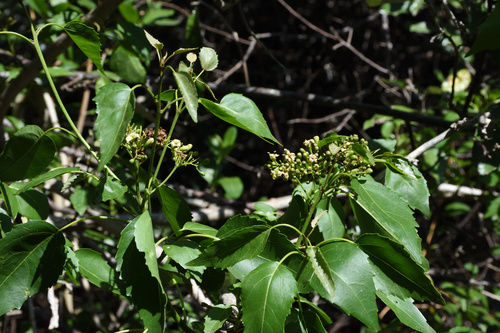
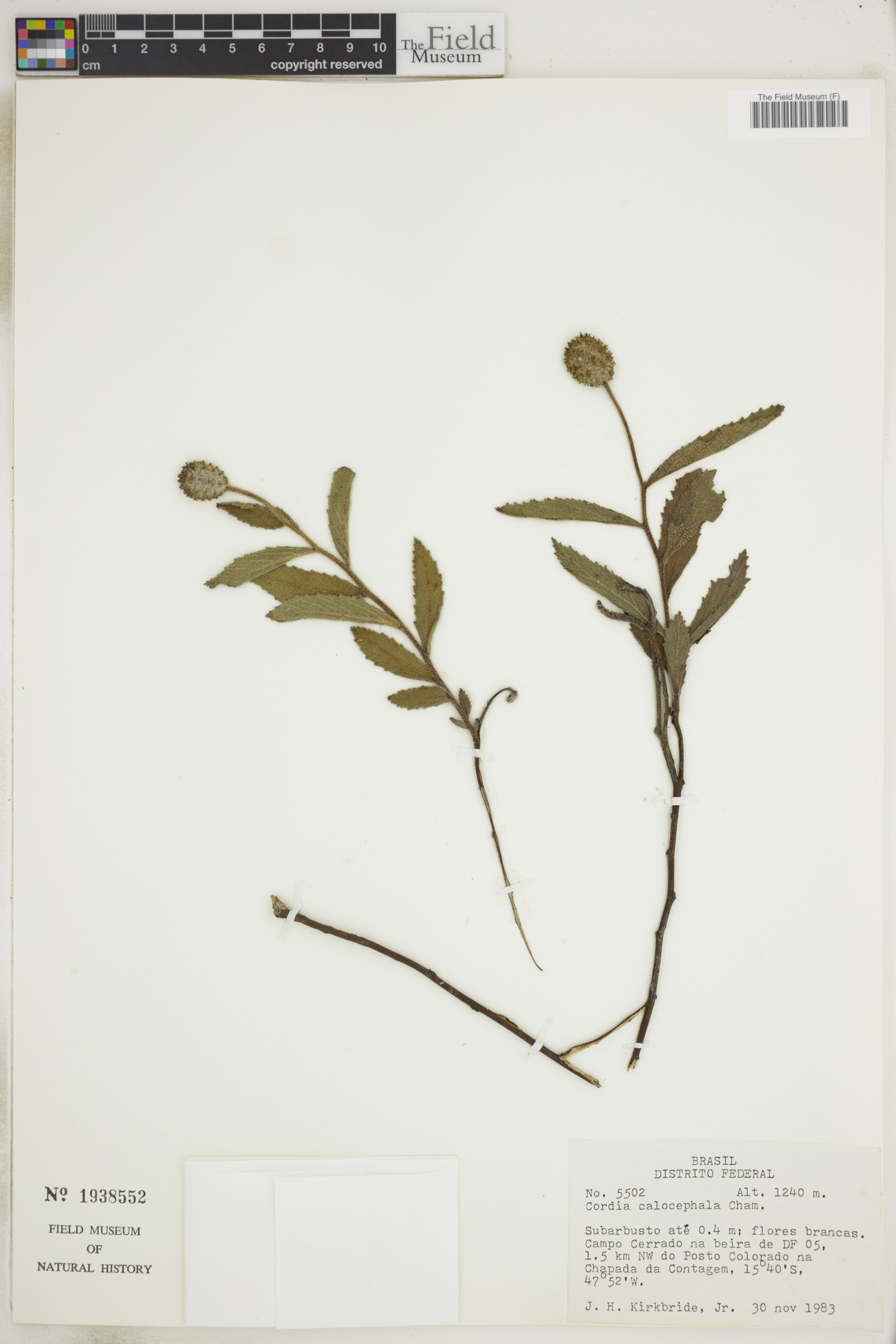
Symphytum x uplandicum
Nyman
Comfrey, Russian Comfrey
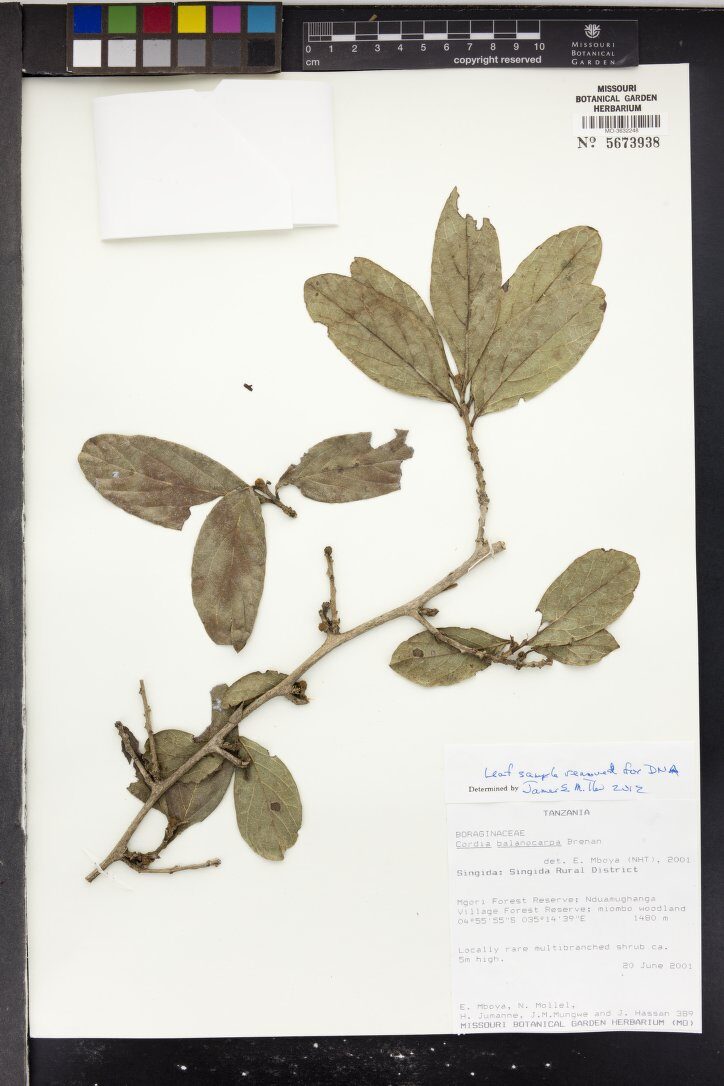
iNaturalist· cc0
no rights reserved
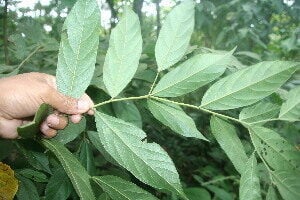
iNaturalist· cc0
no rights reserved
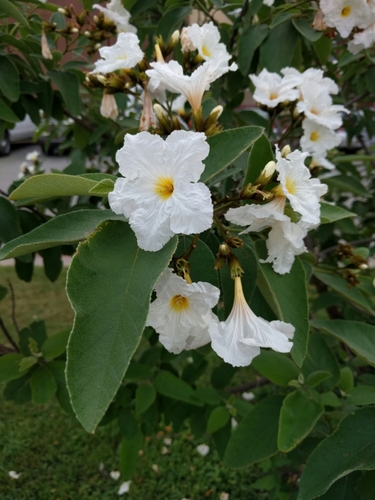
iNaturalist· cc0
no rights reserved
Description
A herb. It grows 1.8 m high and spreads 1.2 m wide. It has thick rhizomes. It has bristles. The flowers are red-purple. They occur in large clusters. It is a natural hybrid.
Edible Uses
Young leaves are cooked and used in soups or liquidized as a drink. Dried leaves are brewed as tea or ground into powder for use in gravies, soups, and stews. It is commercially cultivated as a vegetable.
Traditional Uses
The young leaves are used cooked. They are also used in soups and can be liquidized and used as a drink. The dried leaves are used for tea. They are best dried quickly to give a good flavour. The dried leaves are also ground into a powder and used in gravies, soups and stews.
Distribution
It is a temperate plant. It suits hardiness zones 3-9. Tasmania Herbarium.
Where It Grows
Australia, Britain, Canada, Caucasus, Cook Islands, Europe, Luxembourg, North America, Pacific, Russia, Slovenia, Tasmania,
Other Information
It is a commercially cultivated vegetable.
Notes
There are about 25 Symphytum species.
Dangerous Lookalikes
This plant can be confused with the following toxic species. Always verify identification carefully before consuming any wild plant.
Foxglove
Digitalis purpurea
Jörg Hempel
Comfrey
Symphytum x uplandicum
no rights reserved
Foxglove: Soft velvety hairy leaves, tall spike of tubular purple/pink spotted flowers, leaves feel like soft felt.
Comfrey: Rough/bristly hairy leaves, purple/blue drooping bell flowers, leaves feel like sandpaper.
Synonyms
Also Known As
švedski gabez
References (10)
- Curtis, W.M., 1993, The Student's Flora of Tasmania. Part 3 St David's Park Publishing, Tasmania, p 491
- Facciola, S., 1998, Cornucopia 2: a Source Book of Edible Plants. Kampong Publications, p 52
- Hibbert, M., 2002, The Aussie Plant Finder 2002, Florilegium. p 295
- http://www.botanic-gardens-ljubljana.com/en/plants
- Jackes, D. A., 2007, Edible Forest Gardens
Show all 10 references Hide references
- Kays, S. J., and Dias, J. C. S., 1995, Common Names of Commercially Cultivated Vegetables of the World in 15 languages. Economic Botany, Vol. 49, No. 2, pp. 115-152
- Plants for a Future database, The Field, Penpol, Lostwithiel, Cornwall, PL22 0NG, UK. http://www.scs.leeds.ac.uk/pfaf/
- Syll. fl. Eur. 80. 1855
- Tasmanian Herbarium Vascular Plants list p 16
- http://cookislands.bishopmuseum.org