Suaeda depressa
(Pursh) Watson
Paiuteweed, Pursh Seepweed
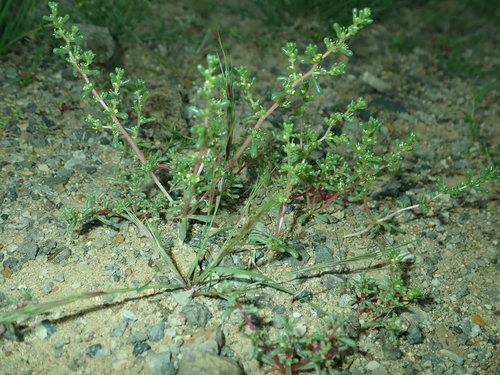
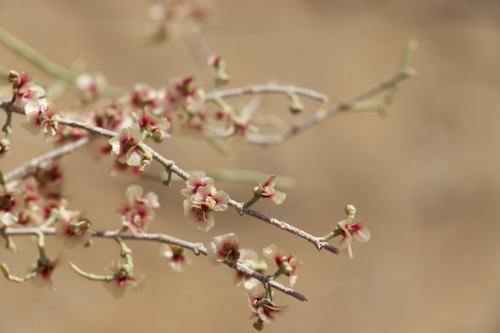
iNaturalist· cc-by-nc
(c) megnd, some rights reserved (CC BY-NC), uploaded by megnd
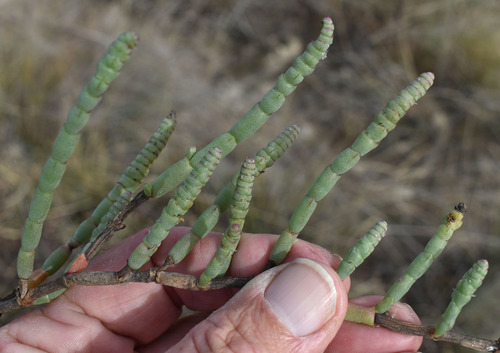
iNaturalist· cc-by-nc
(c) megnd, some rights reserved (CC BY-NC), uploaded by megnd
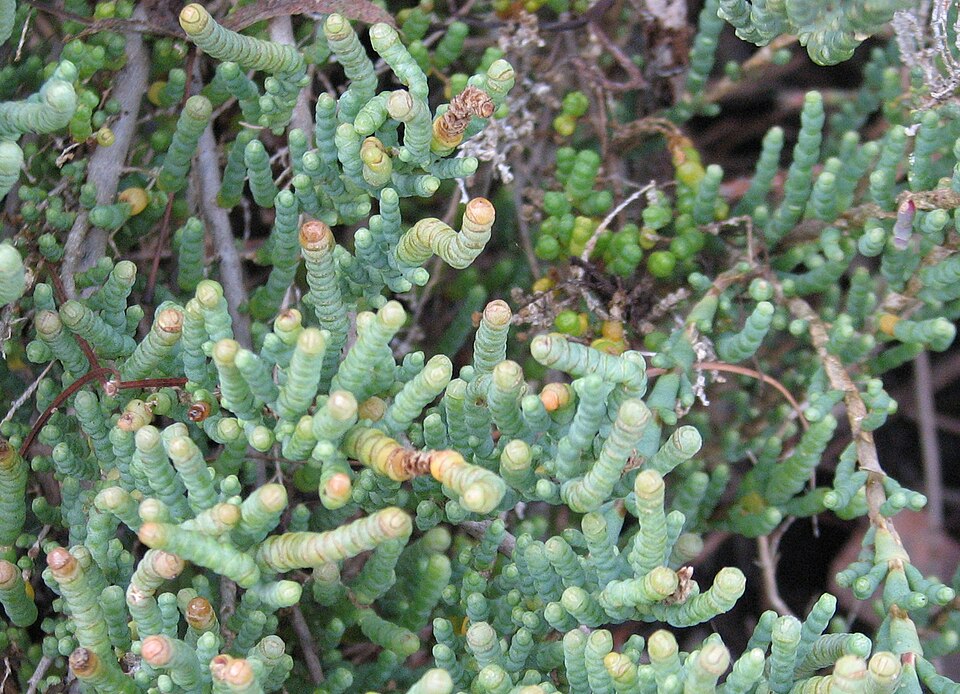
iNaturalist· cc-by-nc
(c) Andy Newman, some rights reserved (CC BY-NC), uploaded by Andy Newman
Summary
Source: WikipediaAnnual or short-lived perennial reaching 16 inches. Wind-pollinated, self-fertile hermaphrodite with flowers from July to October and seed ripening August to October. Prefers light sandy and medium loamy soils in neutral to mildly alkaline pH, tolerating very alkaline and saline soils. Requires full sun and moist conditions. Handles maritime exposure well.
Description
Annual or short-lived perennial reaching 16 inches. Wind-pollinated, self-fertile hermaphrodite with flowers from July to October and seed ripening August to October. Prefers light sandy and medium loamy soils in neutral to mildly alkaline pH, tolerating very alkaline and saline soils. Requires full sun and moist conditions. Handles maritime exposure well.
Edible Uses
Young leaves can be eaten raw or cooked and have a salty flavour. The seeds are also edible raw or cooked.
Traditional Uses
The seeds are parched and ground and eaten as a meal.
This uses section is brief — help expand it
Medicinal Uses
None known
Distribution
It is a temperate plant.
Where It Grows
Canada, North America, USA,
Propagation
Sow seed in spring, direct in situ.
Other Uses
None known
Notes
There is some confusion over whether this name is for a plant in Eurasia or America. Also put in the family Chenopodiaceae.
Synonyms
Also Known As
Waada
References (4)
- Couture, M. D., 1978, Recent and Contemporary Foraging Practices of the Harney Valley Paiute. Thesis, Portland State University
- Coutre, M. D., et al, 1986, Foraging Behaviour of a Contemporary Northern Great Basin Population. Journal of California and Great Basin Anthropology Vol. 8(2) pp 150-160
- Moerman, D. F., 2010, Native American Ethnobotany. Timber Press. p 546
- Plants for a Future database, The Field, Penpol, Lostwithiel, Cornwall, PL22 0NG, UK. http://www.scs.leeds.ac.uk/pfaf/