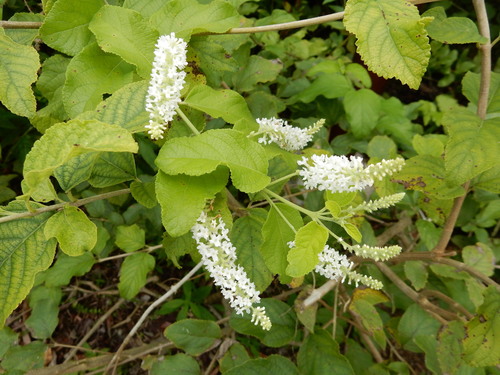
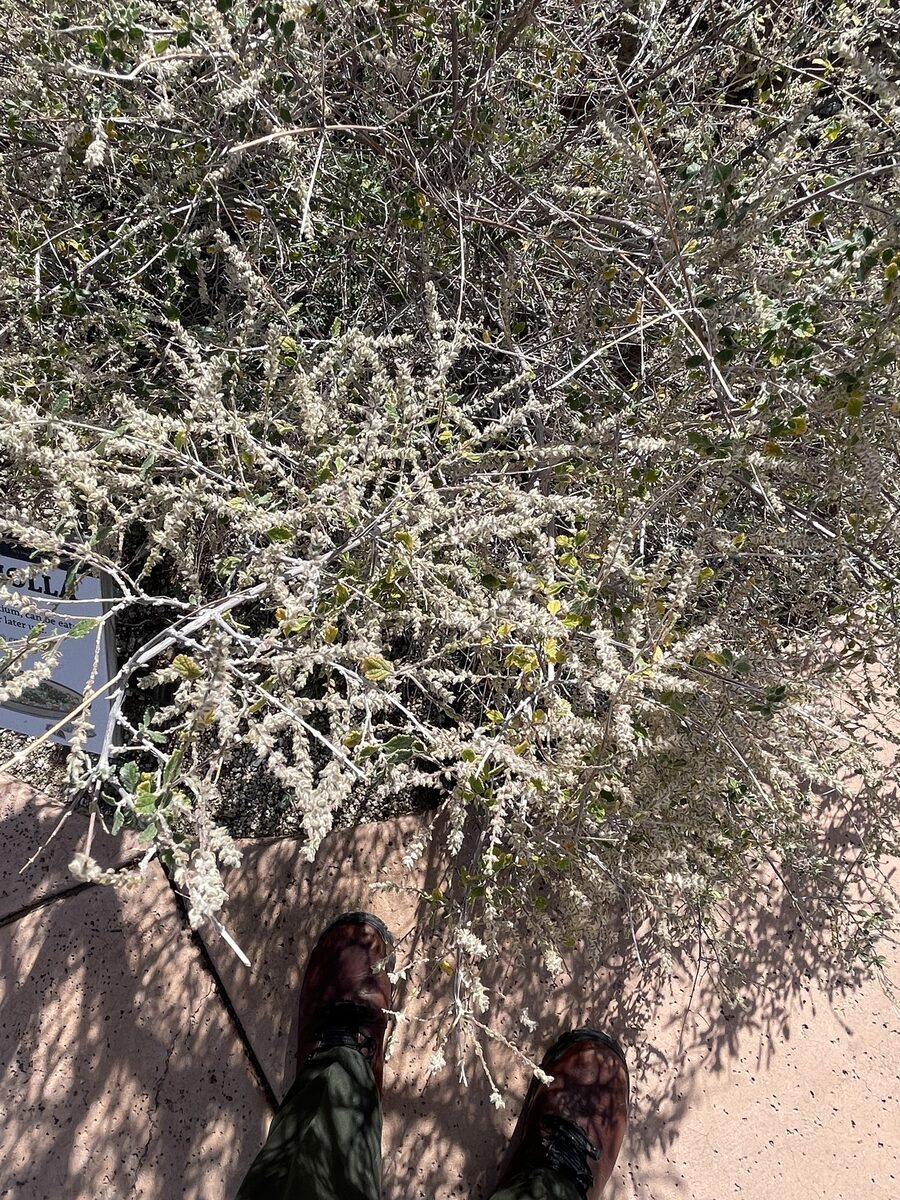
Citharexylum spinosum
L.
Spiny fiddlewood tree, Lady Chancellor tree
iNaturalist· cc0
no rights reserved
iNaturalist· cc0
no rights reserved
iNaturalist· cc0
no rights reserved
Summary
Source: WikipediaCitharexylum spinosum is a species of flowering plant in the family Verbenaceae that is native to southern Florida in the United States, the Caribbean, Guyana, Suriname, and Venezuela. Common names include Florida fiddlewood and spiny fiddlewood.
Description
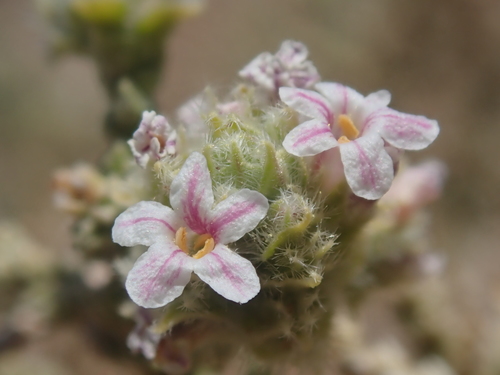
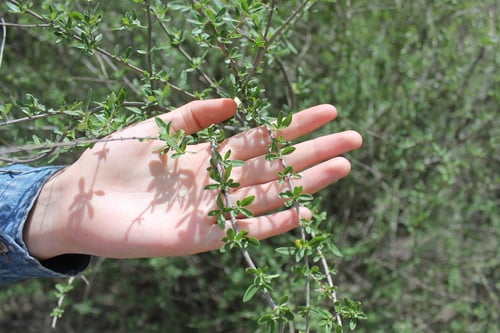
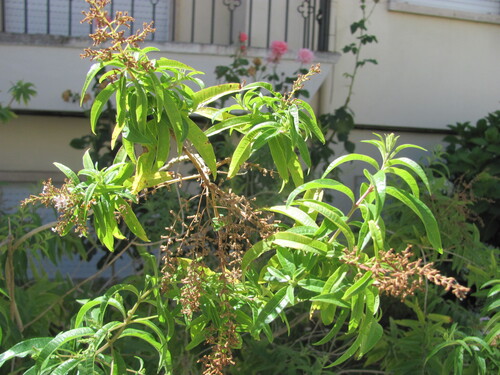
An evergreen tree. It grows 15 m high and spreads 5 m wide. The trunk is erect and sturdy. The leaves are narrowly oval and opposite. They are 20 cm long. There are coarse teeth around the edge. The flowers are small and white. They have a scent. They are in groups 30 cm long. The fruit are about 1 cm across.
Edible Uses
Fruit - raw. A sweet flavour, though rarely eaten by humans.
Medicinal Uses
The plant is used in medicine.
Known Hazards
The plant is used to produce abortions. The fruit should be used with caution.
Distribution
It is a tropical and subtropical plant. It is best in humus-rich soils. It needs a protected sunny position. It is damaged by frost and drought. It grows from sea level to 1,000 m above sea level.
Where It Grows
Africa, Asia, Australia, Bahamas, Bermuda, Central America, Cuba*, Dominican Republic*, East Africa, French Guiana, Guianas, Guyana, Haiti, Indonesia, Jamaica*, Lesser Antilles*, Maldives, North America, Panama, Puerto Rico, SE Asia, South America, Suriname, Trinidad & Tobago, Venezuela, USA, West Indies*, Zimbabwe,
Cultivation
Plants can be grown from seeds or cuttings.
Propagation
Seed - sown in a nursery seedbed, it usually starts sprouting within 13 days from sowing. Pot up the seedlings about 1 month later when around 5cm tall into individual containers and move to a position in 25% shade. They should be ready to plant out about 3 months later when around 40cm tall.
Other Uses
The heartwood is a light brownish or red; it is indistinctly demarcated from the yellow, grey or white sapwood, which can be present as a thin or wide layer. The wood is close-grained, very hard and strong. It sands to a fine finish. It is used for making furniture, musical instruments such as guitars, and is also used for general construction, windows, doors, beams etc. The wood is useful for fenceposts and other rough construction where resistance to termites and to rot are required. The wood is used to make charcoal. The nectar-rich flowers are very attractive to bees.
Notes
It is used in medicine. It is also used to produce abortions.
Synonyms
Also Known As
Balsamo, Boa handhuvaree, Cafe cimarron, Fiddlewood, Grenad mawon, Guayo blanco, Joumpa, Penda roja, Pendola, Pohon arumdhalu, Susana, Totumillo
References (8)
- Bodkin, F., 1991, Encyclopedia Botanica. Cornstalk publishing, p 260
- Grandtner, M. M., 2008, World Dictionary of Trees. Wood and Forest Science Department. Laval University, Quebec, Qc Canada. (Internet database http://www.WDT.QC.ca)
- Grandtner, M. M. & Chevrette, J., 2013, Dictionary of Trees, Volume 2: South America: Nomenclature, Taxonomy and Ecology. Academic Press p 136
- Kermath, B. M., et al, 2014, Food Plants in the Americas: A survey of the domesticated, cultivated and wild plants used for Human food in North, Central and South America and the Caribbean. On line draft. p 233 (As Citharexylum fruticosum)
- Little, E. L. & Wadsworth, F. H., 1964, Common Trees of Puerto Rico and the Virgin Islands. USDA Agriculture Handbook No. 249 (As Citharexylum fruticosum)
Show all 8 references Hide references
- Plants of Haiti Smithsonian Institute http://botany.si.edu/antilles/West Indies
- Sujanapal, P., & Sankaran, K. V., 2016, Common Plants of Maldives. FAO & Kerala FRI, p 81
- Sukarya, D. G., (Ed.) 2013, 3,500 Plant Species of the Botanic Gardens of Indonesia. LIPI p 200