Stachys chinensis
Bunge ex Benth.
Hyssopleaf hedgenettle
iNaturalist· cc-by-nc
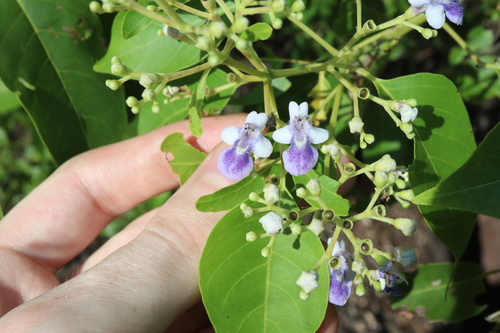
(c) Chuangzao, some rights reserved (CC BY-NC), uploaded by Chuangzao
iNaturalist· cc-by-nc
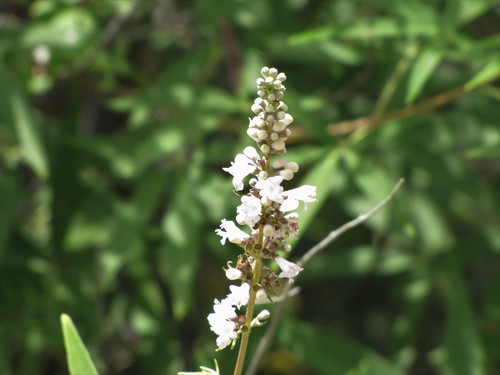
(c) Chuangzao, some rights reserved (CC BY-NC), uploaded by Chuangzao
iNaturalist· cc-by-nc
(c) Chuangzao, some rights reserved (CC BY-NC), uploaded by Chuangzao
Description
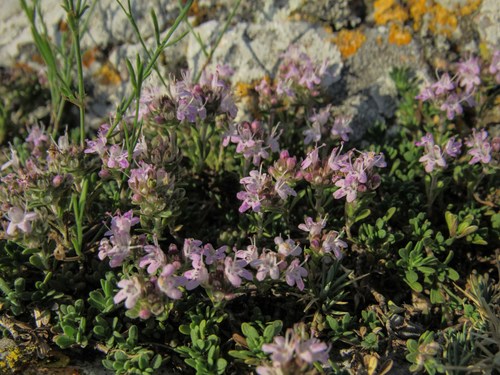
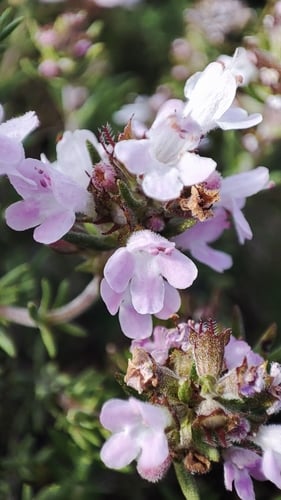
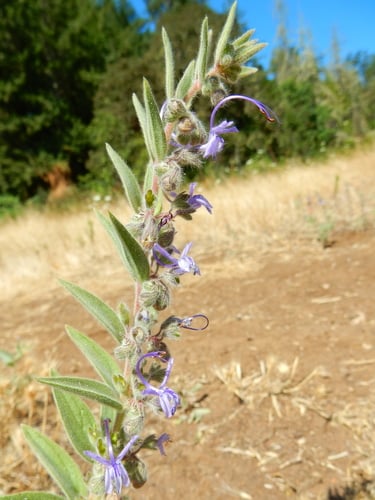
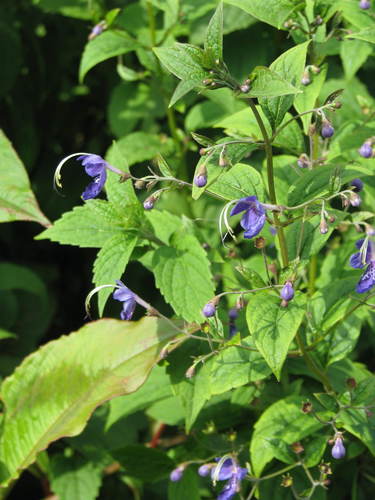
A herb. It is erect and keeps growing from year to year. The stems are 60 cm high and unbranched. The leaf stalk is 2-5 mm long and the leaf blade is oblong to sword shaped and 5.5-8.5 cm long by 1-1.5 cm wide. There are teeth along the edge. The flowers are purple. The nutlets are brown and 3 sided.
Edible Uses
The underground rhizome is eaten.
Traditional Uses
The underground stem or rhizome is eaten.
This uses section is brief — help expand it
Distribution
It is a temperate plant. In China it grows on sandy areas up to 1000 m altitude in northern regions.
Where It Grows
Asia, China, Manchuria, Russia,
Notes
There are about 300 Stachys species.
Synonyms
Also Known As
Hua shui su
References (3)
- BARANOV,
- Li Hai-wen, Hedge, I.C., Lamiaceae. Flora of China. p 234
- Lim, T. K., 2015, Edible Medicinal and Non Medicinal Plants. Volume 9, Modified Stems, Roots, Bulbs. Springer p 79