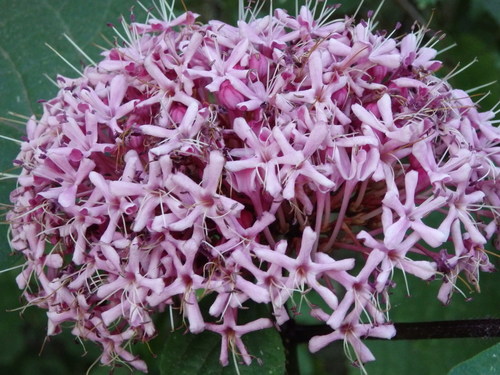
Vitex agnus-castus
L.
Chaste bean, Chaste tree, Wild pepper, Monk's pepper
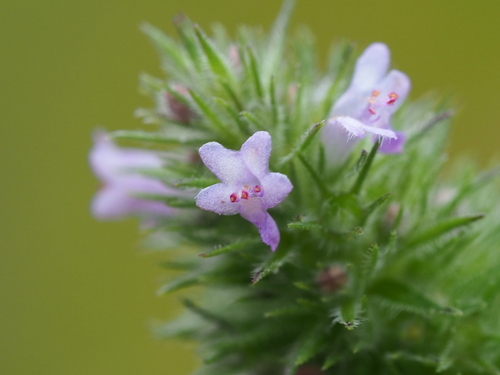
iNaturalist· cc-by-nc
(c) Παναγιώτης Ραφαηλίδης, some rights reserved (CC BY-NC)
iNaturalist· cc-by-nc
(c) Παναγιώτης Ραφαηλίδης, some rights reserved (CC BY-NC)
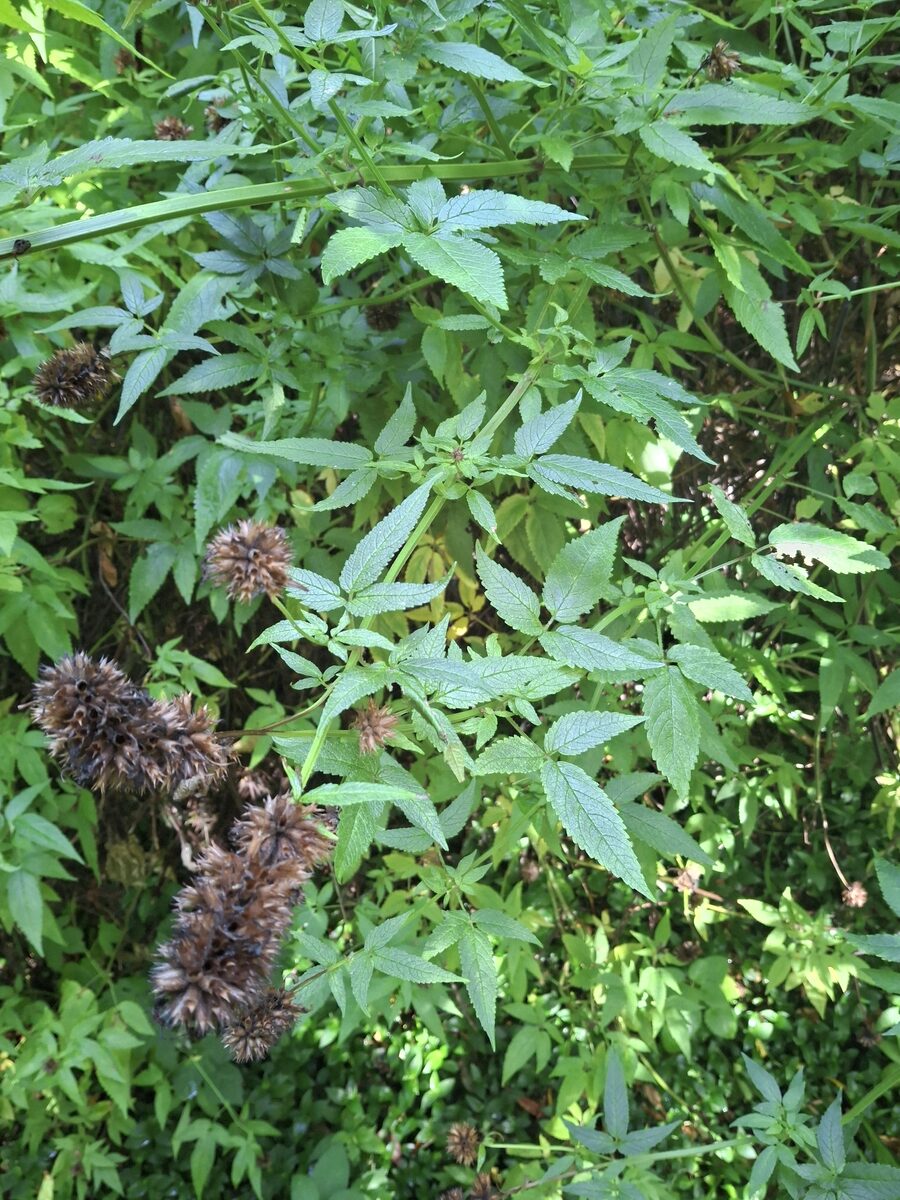
iNaturalist· cc-by-nc
(c) naturalpriest, some rights reserved (CC BY-NC)
Summary
Source: WikipediaVitex agnus-castus (also called vitex, chaste tree / chastetree, chasteberry, Abraham's balm, lilac chastetree, or monk's pepper) is a plant native of the Mediterranean region. It is one of the few temperate-zone species of Vitex, which is on the whole a genus of tropical and subtropical flowering plants. Vitex is a cross-pollinating plant, but its self-pollination has been recorded. Theophrastus mentioned the shrub several times, as ágnos (ἄγνος) in Enquiry into Plants. It has been long believed to be an anaphrodisiac – leading to its name as "chaste tree" – but its effectiveness for such action remains unproven. The shrub was utilized for religious rituals in ancient Greece and among the Philistines in Palestine as well as other countries in the Levant region.
Description
A deciduous shrub or tree. It grows 7 m tall. It has an aroma. The leaves are divided. They are greyish-green and silvery underneath. The flowers are showy and lilac or lavender. They are in spikes at the ends of the branches. The fruit is small and fleshy with a stone inside. The fruit are 3 mm across. They are black and in clusters.
Edible Uses
The fruit is used as a condiment and pepper substitute. The aromatic leaves are also used as a spice. This plant is one of the ingredients of the traditional Moroccan spice mixture known as ras el hanout. In the British climate, seed is very unlikely to be produced.
Traditional Uses
The seeds are used as a spice. They are a substitute for pepper. The leaves are used as a spice.
This uses section is brief — help expand it
Medicinal Uses
Agnus castus has been used for thousands of years for its beneficial effects on the female hormonal system, and modern research has confirmed these uses. The seeds and fruits are anaphrodisiac, aphrodisiac, galactogogue, ophthalmic, sedative, stomachic, and used for women's complaints. Prolonged use is said to restore corpus luteum function. The berries' most significant action is rectifying hormonal imbalances caused by excess oestrogen and insufficient progesterone. They act on the pituitary gland, reducing certain hormone production and increasing others, shifting the balance in favour of gestagens. This gives them wide application for female reproductive disorders, including restoring absent menstruation, regulating heavy periods, restoring fertility caused by hormonal imbalance, relieving premenstrual tension, and easing menopausal symptoms. Some caution is advised, as excessive doses can cause formication — a nervous disorder experienced as a sensation of insects crawling over the skin. The berries are considered both aphrodisiac and anaphrodisiac, an apparent contradiction explained by their regulating effect: they tend to increase sexual activity in those with low libido and reduce it in those who are highly active. The fresh berries are pounded to a pulp and used as a tincture to relieve paralysis, pains in the limbs, and weakness. Other uses include reducing flatulence, suppressing appetite, and inducing sleep. Unproven uses include treatment of impotence, prostatitis, swelling of the testes, sterility, and swelling of the ovaries. Not recommended during pregnancy, and the plant could inhibit milk production. The German Commission E Monographs approve Vitex agnus-castus for premenstrual syndrome and menopausal complaints.
Known Hazards
Adverse effects from Vitex can include nausea, headache, gastrointestinal discomfort, menstrual discomfort, fatigue, and skin disorders. People taking dopamine-related medications or Parkinson's disease medications should avoid using chasteberry. Women on birth-control pills, hormone-replacement therapy, or having a hormone-sensitive condition, such as breast cancer, are advised not to use chasteberry. Use of Vitex is discouraged for pregnant or breastfeeding women, and for children.
Distribution
It is a temperate plant. It will grow in most soils. It needs a protected, sunny position. It is native to S Europe. It grows in dry deciduous woodland. It suits hardiness zones 7-10.
Where It Grows
Africa, Asia, Australia, Britain, Central Asia, China, Cyprus, Dominican Republic, Europe*, France, Greece, Guiana, Guianas, Guyana, Hawaii, India, Italy, Mediterranean, Montenegro, Morocco, North Africa, North America, Pacific, Philippines, Portugal, SE Asia, Sicily, Slovenia, South America, Spain, Suriname, Tajikistan, Tasmania, Turkey, Türkiye, USA, West Indies,
Cultivation
Prefers a light well-drained loamy soil in a warm sunny position sheltered from cold drying winds. Succeeds in dry soils. Intolerant of water-logging. Hardy to about -10°c, this species only succeeds outdoors in the milder parts of Britain, though it grows well on a wall at Kew. Plants only flower freely in a warm summer, so they are best grown against a sunny wall even in areas of the country where they are hardy. The plants failed to open their flowers on our Cornish trial ground even after a very hot summer. The flowers are produced so late in the season that they are unlikely to produce viable seed in this country even if they flower properly. A very ornamental plant, there are some named varieties. The whole plant is aromatic, the leaves and stems are strongly aromatic, the flowers are deliciously scented and the dried seeds have a pungent lemony perfume. This species has long been regarded as a symbol of chastity. Flowers are produced at the ends of the current year's growth. Any pruning is best carried out in the spring and should consist of cutting out dead wood and shortening last year's flowering branches.
Propagation
Sow seed in March in a warm greenhouse; no pre-treatment is needed and germination is usually free and quick. Prick out seedlings into individual pots when large enough to handle and overwinter in the greenhouse. Plant out into permanent positions in early summer the following year. Alternatively, take cuttings of half-ripe wood, 5–8 cm with a heel, in July or August in a frame — a good percentage can be expected. Cuttings of mature wood from the current season's growth can also be taken in November in a cold frame.
Other Uses
A perfume is made from the flowers. Young stems are used in basket making. A yellow dye is obtained from the leaves, seed, and roots. The wood is hard and close-grained.
Other Information
It is a cultivated food plant.
Notes
The seeds stimulate progesterone production. Also put in the family Verbenaceae.
Synonyms
Also Known As
Agnus castus, Chaste-tree, Five-leaf chaste tree, Hayit, Hemp-tree, Monk's pepper tree, Navadna konopljika
References (21)
- Ambasta, S.P. (Ed.), 2000, The Useful Plants of India. CSIR India. p 681
- Barwick, M., 2004, Tropical and Subtropical Trees. A Worldwide Encyclopedic Guide. Thames and Hudson p 422
- Blamey, M and Grey-Wilson, C., 2005, Wild flowers of the Mediterranean. A & C Black London. p 387
- Bremness, L., 1994, Herbs. Collins Eyewitness Handbooks. Harper Collins. p 90
- Brickell, C. (Ed.), 1999, The Royal Horticultural Society A-Z Encyclopedia of Garden Plants. Convent Garden Books. p 1056
Show all 21 references Hide references
- Cundall, P., (ed.), 2004, Gardening Australia: flora: the gardener's bible. ABC Books. p 1477
- Ertug, F, Yenen Bitkiler. Resimli Türkiye Florası -I- Flora of Turkey - Ethnobotany supplement
- Facciola, S., 1998, Cornucopia 2: a Source Book of Edible Plants. Kampong Publications, p 244
- Heywood, V.H., Brummitt, R.K., Culham, A., and Seberg, O. 2007, Flowering Plant Families of the World. Royal Botanical Gardens, Kew. p 180
- Hibbert, M., 2002, The Aussie Plant Finder 2002, Florilegium. p 308
- http://cypruswildflowers.com
- http://www.botanic-gardens-ljubljana.com/en/plants
- Jackes, D. A., 2007, Edible Forest Gardens
- Kermath, B. M., et al, 2014, Food Plants in the Americas: A survey of the domesticated, cultivated and wild plants used for Human food in North, Central and South America and the Caribbean. On line draft. p 916
- Kiple, K.F. & Ornelas, K.C., (eds), 2000, The Cambridge World History of Food. CUP p 1747
- Llamas, K.A., 2003, Tropical Flowering Plants. Timber Press. p 243
- Lord, E.E., & Willis, J.H., 1999, Shrubs and Trees for Australian gardens. Lothian. p 270
- Sfikas, G., 1984, Trees and shrubs of Greece. Efstathiadis Group. Athens. p 182
- Sp. pl. 2:638. 1753
- World Checklist of Useful Plant Species 2020. Royal Botanic Gardens, Kew
- Zeven, A. C. & de West, J. M. J., 1982, Dictionary of cultivated plants and their regions of diversity. Wageningen. p 119