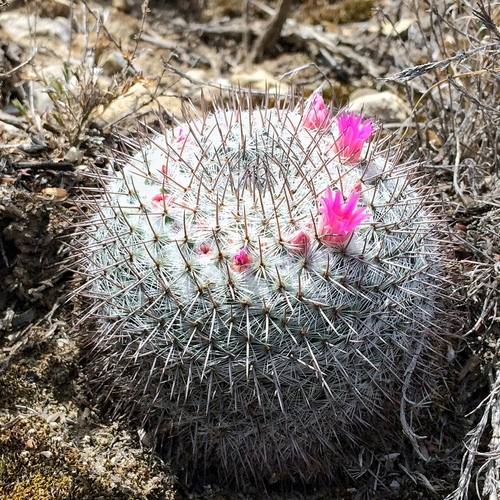
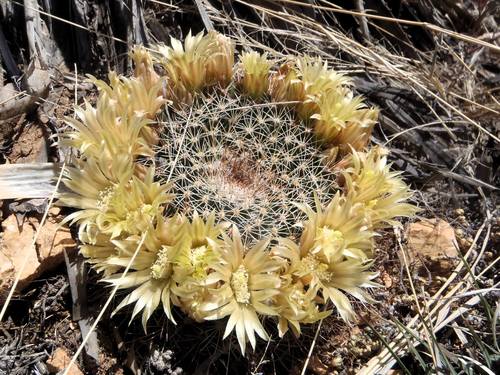
Ariocarpus fissuratus
(Engelm.) K. Schum.
False peyote, Living rock
iNaturalist· cc-by-nc
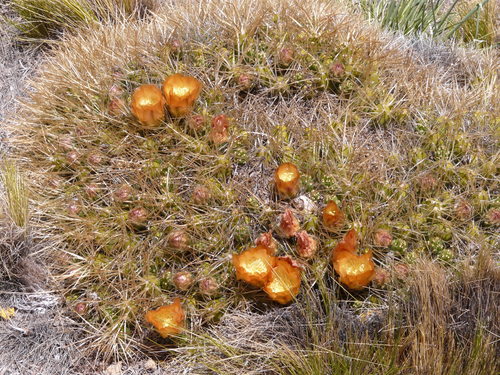
(c) Tom Lebsack, some rights reserved (CC BY-NC), uploaded by Tom Lebsack
iNaturalist· cc-by-nc
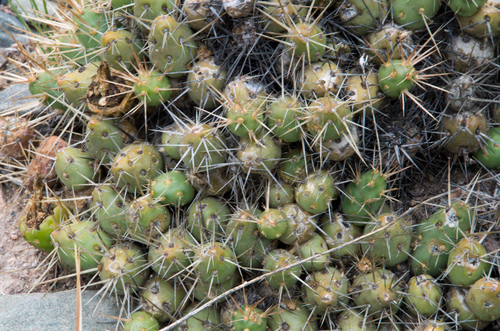
(c) Javier Ochoa Espinoza, some rights reserved (CC BY-NC), uploaded by Javier Ochoa Espinoza
iNaturalist· cc-by-nc
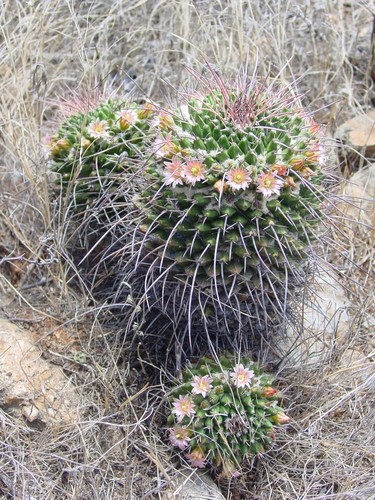
(c) Gary Nored, some rights reserved (CC BY-NC)
Summary
Source: WikipediaAriocarpus fissuratus (formerly known as Anhalonium fissuratus) is a species of cactus found in small numbers in northern Mexico and Texas in the United States. Common names include living rock cactus, false peyote, chautle, dry whiskey and star cactus.
Description
A cactus with a tuberous taproot. They grow flat to the ground. It grows 10 cm high. It can reach 15 cm across. They are spineless and there are a cluster of tubercles around the tuberous taproot. The tubercles are three sided and cracked. They are 2.5 cm thick at the base and narrow to a blunt tip. From the tip of the dried-up bodies they produce funnel shaped flowers. These are 5 cm high and 4 cm across. Flowers can be white, yellow or pink. It flowers in the daytime.
Edible Uses
The plant and fruit are consumed, either chewed or made into an alcoholic drink fermented with germinated maize.
Traditional Uses
CAUTION: It probably contains alkaloids which cause psychological effects. The plant is chewed and produces intoxication. The juice of the plant is used to make an alcoholic drink. It is fermented with germinated maize. Caution: Alcohol is a cause of cancer.
Known Hazards
The plant probably contains alkaloids which cause psychological effects and produces intoxication when chewed. Alcohol consumption is a cause of cancer.
Distribution
It grows in Mexico and Texas. It can stand temperatures down to -10°C for short periods if kept dry. It needs a temperature above 10°C for growth. It requires heat and a very well drained or porous soil. They do best with high light and warm temperatures. They normally grow in eroded calcareous rocks with a pH of 7-8. They also grow on acid soils. It suits hardiness zones 9-11.
Where It Grows
Australia, Central America, Mexico*, North America, USA,
Cultivation
It can be grown from seed. Plants are also grafted
Production
They are slow growing.
Notes
There are 6 Ariocarpus species. They grow in very arid conditions. It is used in traditional ceremonies but has not been shown to have drug alkaloids.
Synonyms
Also Known As
Chaute, Chautle, Dry whiskey, Peyote cimarron, Star rock, Sunami, Waname
References (12)
- Anderson, E.F., 2001, The Cactus Family, Timber Press. p 110
- Anderson, M., 2002, The World Encyclopedia of Cacti and Succulents. Hermes House, New York. p 47
- Beckstrom-Sternberg, Stephen M., and James A. Duke. "The Foodplant Database." http://probe.nalusda.gov:8300/cgi-bin/browse/foodplantdb.(ACEDB version 4.0 - data version July 1994)
- Bodkin, F., 1991, Encyclopedia Botanica. Cornstalk publishing, p 97
- Cundall, P., (ed.), 2004, Gardening Australia: flora: the gardener's bible. ABC Books. p 183
Show all 12 references Hide references
- H. G. A. Engler & K. A. E. Prantl, Nat. Pflanzenfam. 3(6a):195. 1894
- Facciola, S., 1998, Cornucopia 2: a Source Book of Edible Plants. Kampong Publications, p 63
- Hedrick, U.P., 1919, (Ed.), Sturtevant's edible plants of the world. p 400 (As Mammillaria fissurata)
- Heywood, V.H., Brummitt, R.K., Culham, A., and Seberg, O. 2007, Flowering Plant Families of the World. Royal Botanical Gardens, Kew. p 77
- Innes, C. and Glass, C., 1997, The Illustrated Encyclopedia of Cacti. Sandstone Books. p 23
- Kermath, B. M., et al, 2014, Food Plants in the Americas: A survey of the domesticated, cultivated and wild plants used for Human food in North, Central and South America and the Caribbean. On line draft. p 87
- Subik, R., & Kunte, L., 2003, The Complete Encyclopedia of Cacti. Rebo publishers. p 18