Opuntia velutina
F. A. C. Weber
iNaturalist· cc-by-nc
(c) Leticia Soriano Flores, some rights reserved (CC BY-NC), uploaded by Leticia Soriano Flores
iNaturalist· cc-by-nc
(c) Fernando Valdez, some rights reserved (CC BY-NC), uploaded by Fernando Valdez
iNaturalist· cc-by-nc
(c) Ulises Guzmán, some rights reserved (CC BY-NC), uploaded by Ulises Guzmán
Description
A tropical cactus (family Cactaceae) with edible fruit.
This description is brief — help expand it
Edible Uses
The stem segments (nopalitos) are eaten. Stem segments narrowly to widely obovate, occasionally more or less round, densely pubescent, green to yellowish green, 15-26 cm (5.9-10 in) long, 14-20 cm wide. The tender young stem segments of various species are often cooked as a vegetable. Known as ‘nopals’ in Mexico, where they are a common ingredient in numerous dishes, they can be eaten raw or cooked, used in marmalades, soups, stews and salads. The most commonly used species are Opuntia ficus-indica or Opuntia hyptiacantha (syn Opuntia matudae), although the stems of almost all Opuntia species are edible. The fruits are sometimes eaten. Of good quality. Fruits globose, red, pubescent, 3-3.2 cm long, 2.5-3 cm in diameter, with glochids.
Medicinal Uses
The plant is used medicinally. No more information We have no further specific information on medicinal uses for this species, but the following notes are likely to apply universally to Opuntia species and other related genera. The flesh of tender young stem segments can be applied as a poultice to reduce inflammation. The mucilage and soluble fibre found in the flowers and stem segments have been shown to help control blood-sugar levels associated with adult-onset diabetes. There is clinical evidence that the soluble fibre in the stem segments helps reduce blood cholesterol levels.
Known Hazards
The plant has numerous minutely barbed glochids - these are barbed spines that are usually small to minute and are very sharp and brittle. The glochids are very easily dislodged when the plant is touched and can penetrate the skin where, because of their barbs, they become stuck and are very difficult to see and remove. They can cause considerable irritation and discomfort. Opuntia species can contain quite high levels of oxalic acid, especially in older parts of the plant. Perfectly alright in small quantities, foods containing oxalic acid should not be eaten in large amounts since it can lock-up other nutrients in the food, especially calcium, thus causing mineral deficiencies. The oxalic acid content will be reduced if the plant is cooked. People with a tendency to rheumatism, arthritis, gout, kidney stones or hyperacidity should take especial caution if including this plant in their diet since it can aggravate their condition.
Distribution
It is a tropical plant.
Where It Grows
Mexico,
Other Uses
The stems are used for fuel.
Synonyms
Also Known As
Huehueche
References (1)
- World Checklist of Useful Plant Species 2020. Royal Botanic Gardens, Kew
More from Cactaceae
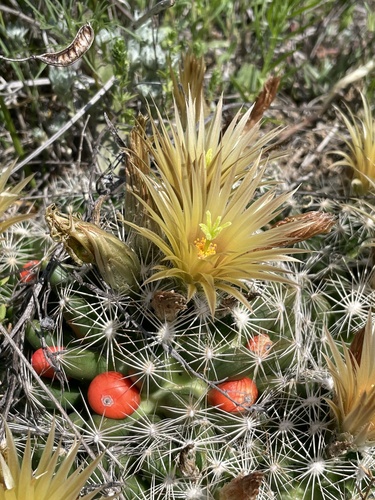
Escobaria missouriensis var. missiouriensis
Missouri foxtail cactus
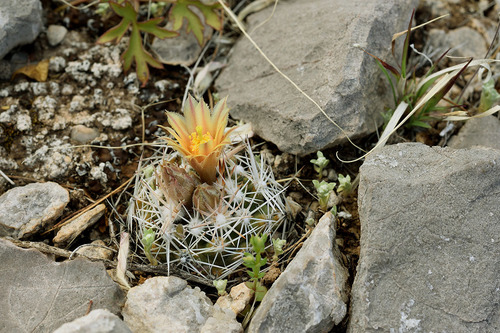
Escobaria robbinsorum
Cochise pincushion cactus, Cochise foxtail cactus
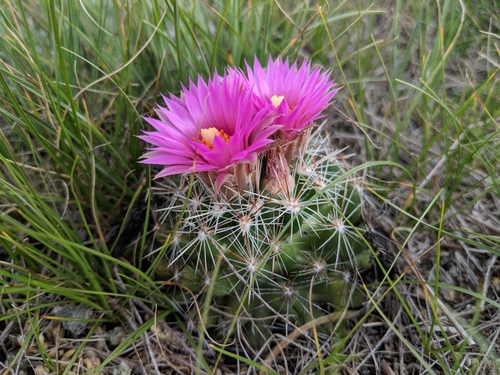
Escobaria vivipara
Cushion cactus, Ball cactus
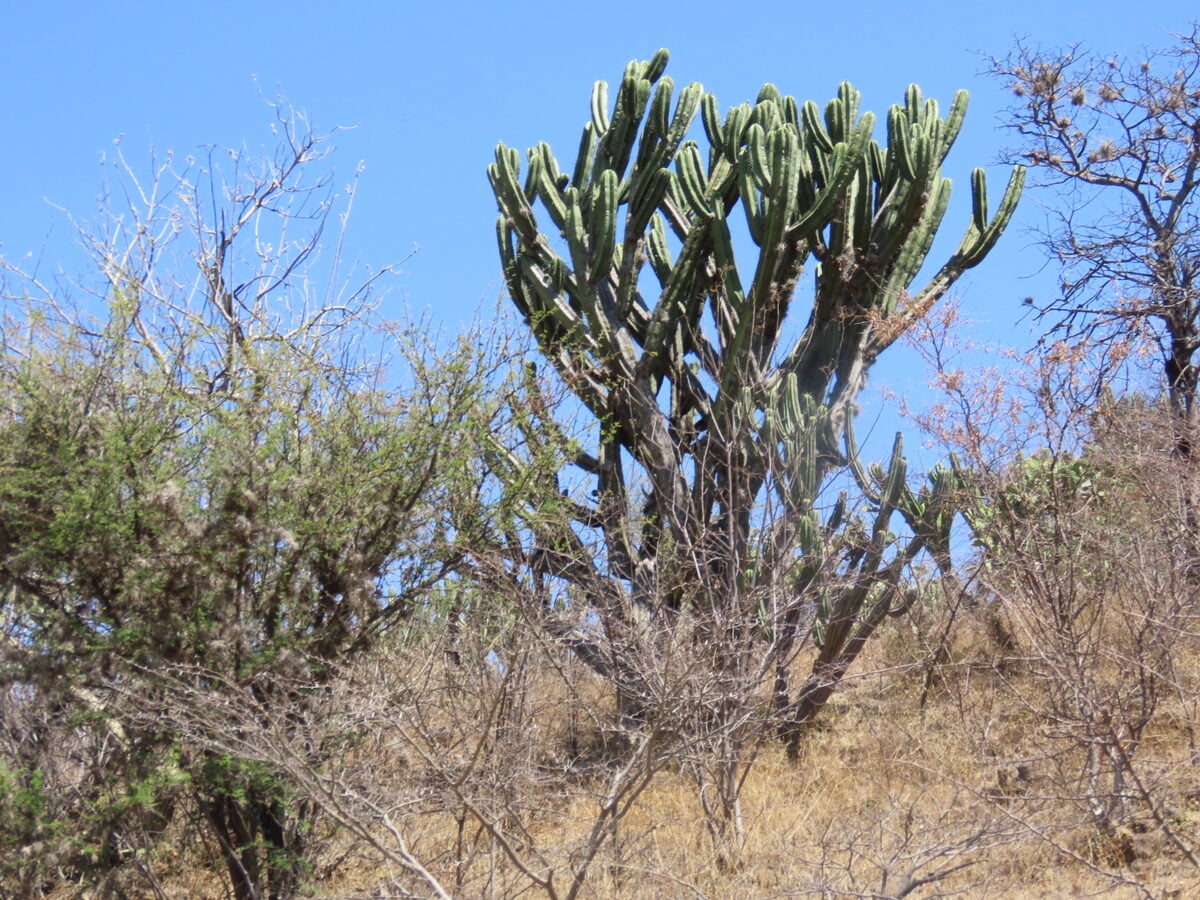
Escontria chiotilla - (A.A.Weber ex K.Schum.) Rose
Chiotilla, Jiotilla
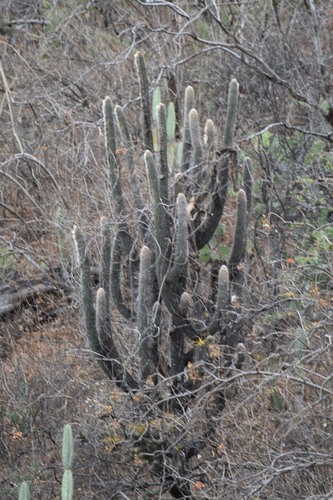
Espostoa lanata
Cotton ball, Peruvian old man cactus
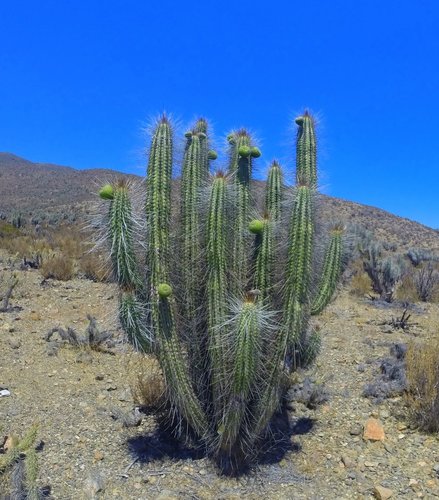
Eulychnia acida
Copao