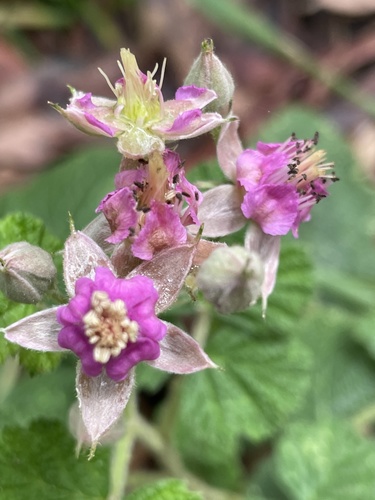
Spiraea pyramidata
Greene
Pyramid spiraea
iNaturalist· cc-by-nc
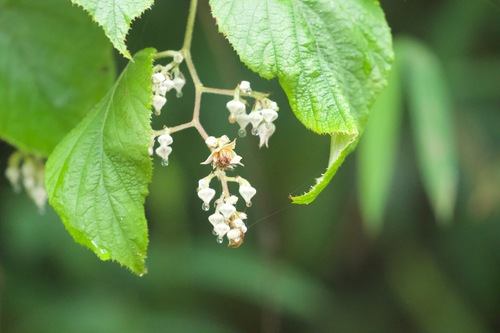
(c) Robert Riedl, some rights reserved (CC BY-NC)
iNaturalist· cc-by-nc
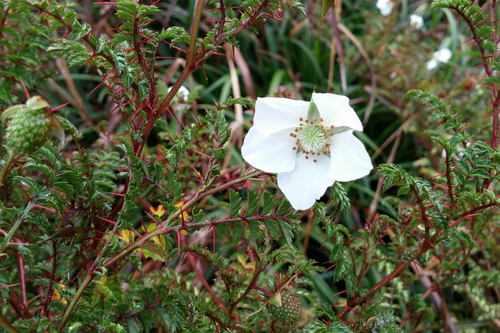
(c) Robert Riedl, some rights reserved (CC BY-NC)
iNaturalist· cc-by-nc
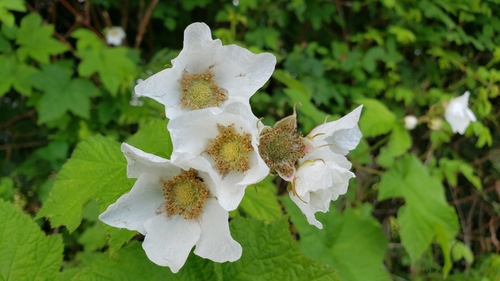
(c) mhays, some rights reserved (CC BY-NC)
Summary
A deciduous shrub reaching 1 m in height with a compact form. Hermaphroditic flowers bloom July to August and are pollinated by insects. Hardy to UK zone 6. Adapts to light sandy, medium loamy, and heavy clay soils with mildly acid to basic pH. Grows in semi-shade or full sun and prefers moist soil.
Description
A deciduous shrub reaching 1 m in height with a compact form. Hermaphroditic flowers bloom July to August and are pollinated by insects. Hardy to UK zone 6. Adapts to light sandy, medium loamy, and heavy clay soils with mildly acid to basic pH. Grows in semi-shade or full sun and prefers moist soil.
Edible Uses
A tea can be made by boiling the stems, leaves, and flowers together.
Traditional Uses
The leaves, stems and flowers are made into tea.
This uses section is brief — help expand it
Medicinal Uses
A decoction of the plant has been drunk as a tonic.
Distribution
It is a temperate plant.
Where It Grows
Canada, North America, USA,
Cultivation
An easily grown plant, it tolerates most soils, but prefers a good loamy soil, abundant moisture and full sunlight. This species is probably a natural hybrid, S. betulifolia x S. douglasii menziesii. It hybridizes freely with other members of this genus.
Propagation
Sow seed as soon as it is ripe in a cold frame where possible. Stratification is likely required before germination, so stored seed should be sown in a cold frame as early in the year as received. Prick out seedlings into individual pots when large enough to handle and grow on in a cold frame for the first winter, then plant out in late spring or early summer the following year. Take half-ripe cuttings in July/August in a light sandy soil in a frame. Take cuttings of mature wood from the current season's growth, 15cm long, in October/November in an outdoor frame (September has also been reported as suitable). Divide suckers in early spring and plant directly into permanent positions.
Other Uses
None known.
Notes
There are about 100 Spiraea species.
References (5)
- Beckstrom-Sternberg, Stephen M., and James A. Duke. "The Foodplant Database." http://probe.nalusda.gov:8300/cgi-bin/browse/foodplantdb.(ACEDB version 4.0 - data version July 1994)
- Facciola, S., 1998, Cornucopia 2: a Source Book of Edible Plants. Kampong Publications, p 211
- Kermath, B. M., et al, 2014, Food Plants in the Americas: A survey of the domesticated, cultivated and wild plants used for Human food in North, Central and South America and the Caribbean. On line draft. p 832
- Moerman, D. F., 2010, Native American Ethnobotany. Timber Press. p 541
- Turner, N., 1997, Food Plants of Interior First Peoples. Royal BC Museum Handbook p 168