Rubus parviflorus subsp. velutinus
(W. H. Brewer) Roy L. Taylor & MacBryde
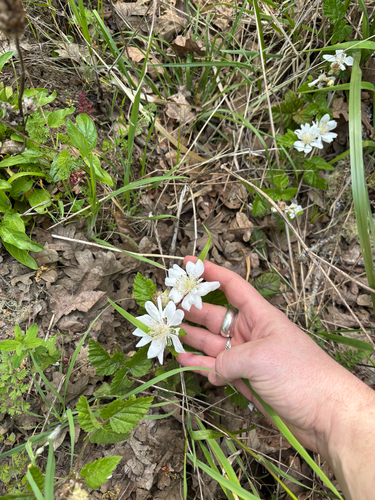
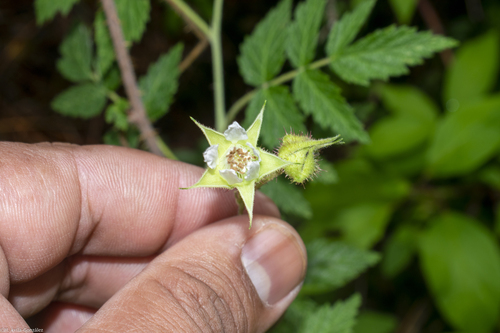
Western thimbleberry
gbif· cc-by-nc
UCSC Herbarium - Kenneth S. Norris Center for Natural History, University of California Santa Cruz (UCSC-UCSC)
gbif· cc-by-nc
UCSC Herbarium - Kenneth S. Norris Center for Natural History, University of California Santa Cruz (UCSC-UCSC)
gbif· cc-by-nc
UCSC Herbarium - Kenneth S. Norris Center for Natural History, University of California Santa Cruz (UCSC-UCSC)
Summary
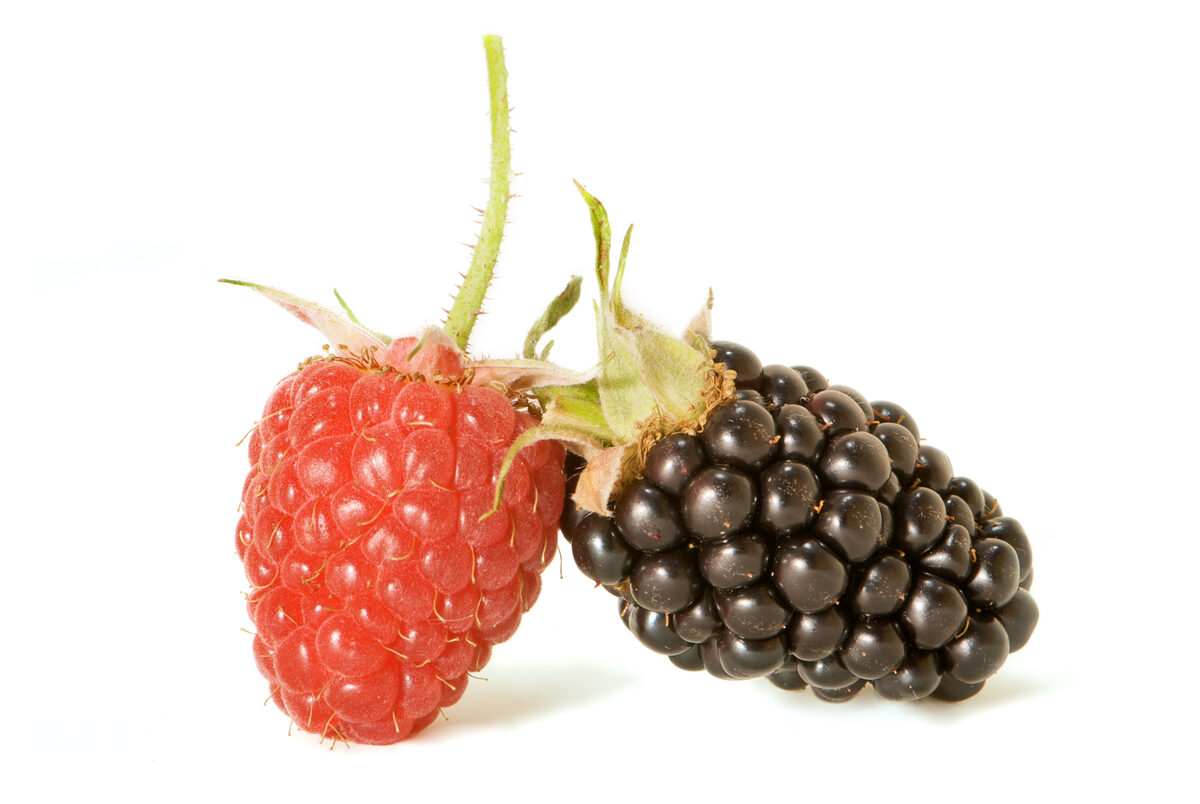
Source: WikipediaRubus parviflorus, the fruit of which is commonly called the thimbleberry or redcap, is a species of Rubus with large hairy leaves and no thorns. The species is native to northern temperate regions of North America. It produces red aggregate fruit similar in appearance to a raspberry; although edible, it is too soft for major commerce. It is cultivated as an ornamental.
Description
A shrub.
This description is brief — help expand it
Edible Uses
Thimbleberry fruits are flatter and softer (more fragile) than raspberries, but similarly have many small seeds. Because the fruit is so soft, it does not pack or ship well, so thimbleberries are rarely cultivated commercially. Wild thimbleberries can be eaten raw or dried (the water content of ripe thimbleberries is quite variable), and can be made into a jam which is sold as a local delicacy in some parts of their range, notably in the Keweenaw Peninsula of Upper Michigan.
Traditional Uses
The fruit are eaten fresh.
This uses section is brief — help expand it
Medicinal Uses
Many parts of the plant were used in folk medicine by Native Americans. A tea made from its leaves or roots was thought to be a treatment for wounds, burns, acne, or digestive problems; a tea made from the canes was thought to be useful as a diuretic. As of 2019, there is no evidence from modern clinical research or practice that R. parviflorus is effective for treating any disease. Thimbleberry leaves can be used in place of toilet paper when in the wilderness.
Distribution
It is a temperate plant.
Where It Grows
North America, USA,
Dangerous Lookalikes
This plant can be confused with the following toxic species. Always verify identification carefully before consuming any wild plant.
Red Baneberry
Actaea rubra
Walter Siegmund (talk)
Western thimbleberry
Rubus parviflorus subsp. velutinus
UCSC Herbarium - Kenneth S. Norris Center for Natural History, University of California Santa Cruz (UCSC-UCSC)
Red Baneberry: Short herbaceous plant (no thorns), berries on thick red stems, each berry has a single seed, compound sharply-toothed leaves.
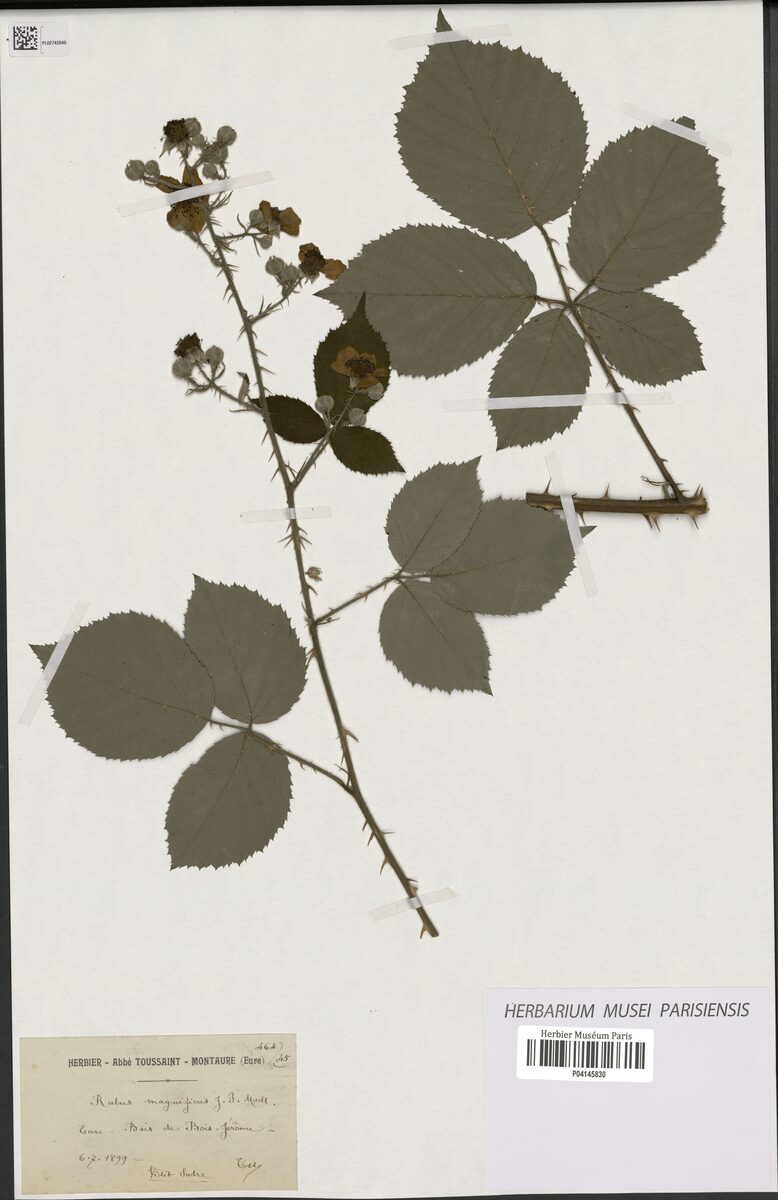
Western thimbleberry: Thorny woody canes (brambles), aggregate berry made of many drupelets, berries pull easily from receptacle.
Synonyms
References (1)
- Moerman, D. F., 2010, Native American Ethnobotany. Timber Press. p 492