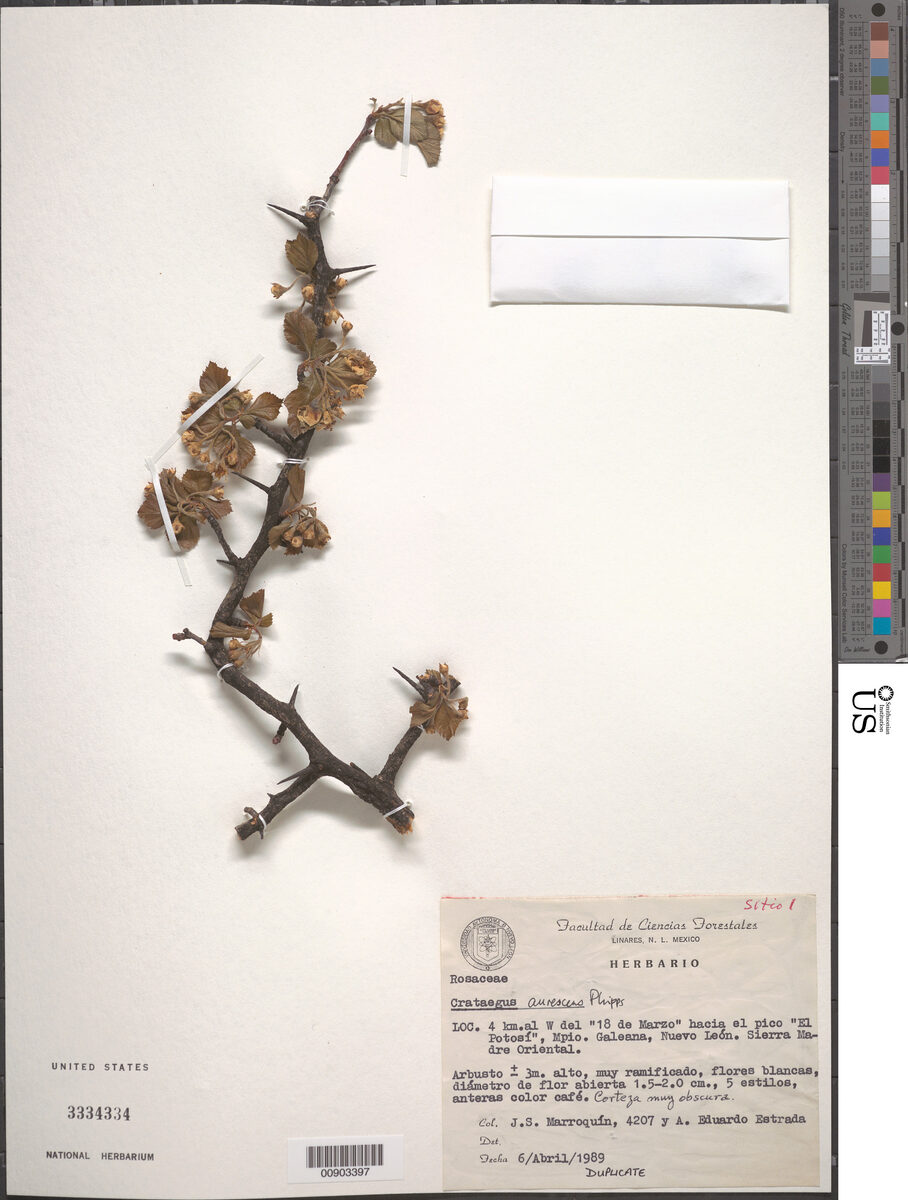
Rubus paniculatus
Sm.
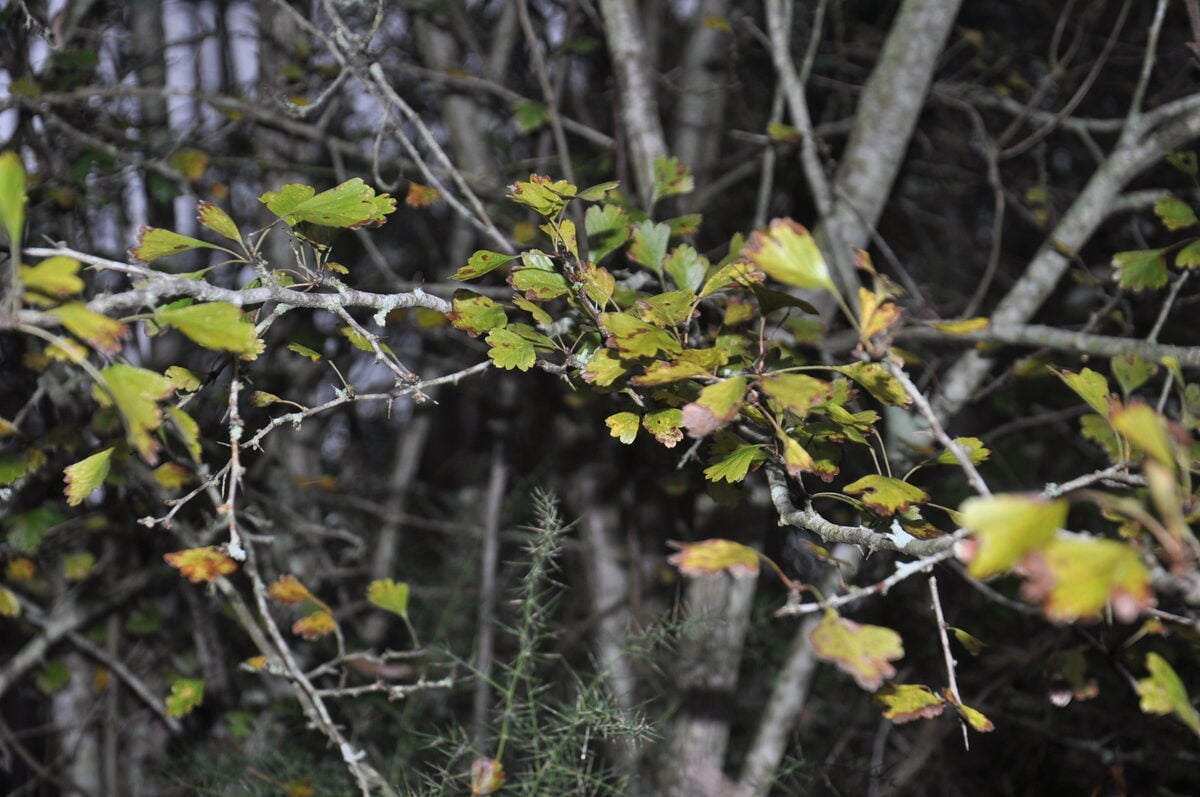
iNaturalist· cc-by-nc
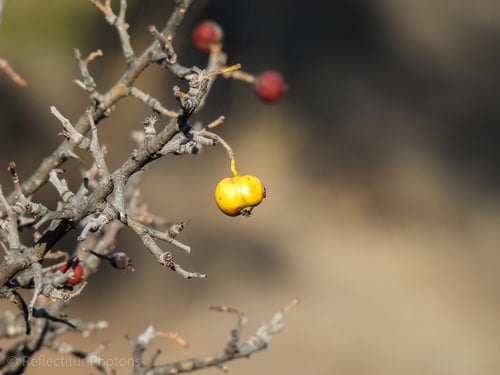
(c) connk, some rights reserved (CC BY-NC), uploaded by connk
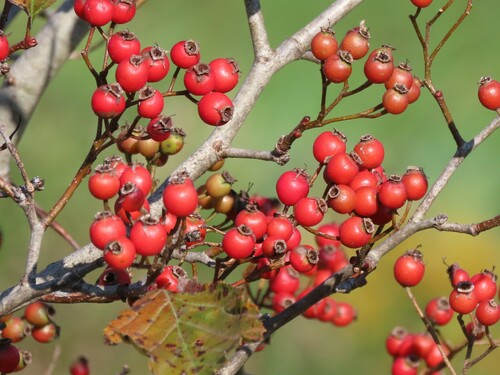
iNaturalist· cc-by-nc
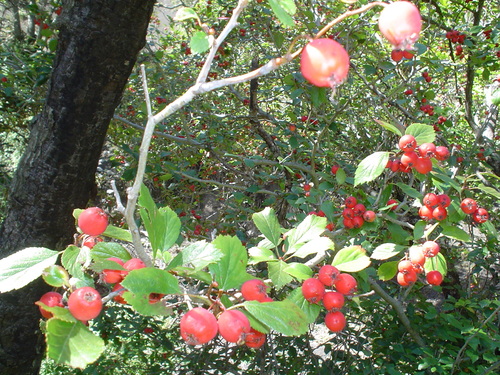
(c) Wim Rubers, some rights reserved (CC BY-NC), uploaded by Wim Rubers
iNaturalist· cc-by-nc
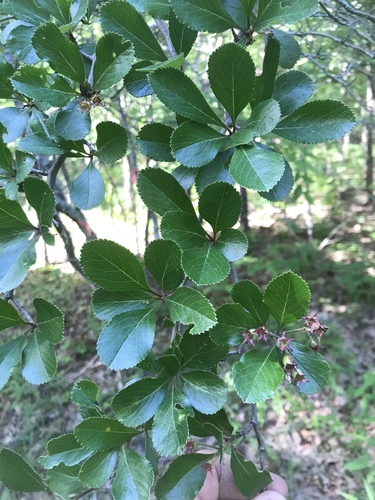
(c) T. Abe Lloyd, some rights reserved (CC BY-NC), uploaded by T. Abe Lloyd
Summary
A deciduous shrub growing to 3 m tall with hermaphroditic flowers pollinated by insects. Flowers July to August with seeds ripening September to October. Grows in light sandy, medium loamy, and heavy clay soils preferring good drainage. Tolerates mildly acidic to basic pH and prefers moist soil in semi-shade or full sun.
Description
A straggling shrub. It grows about 5 m high. The leaves have stalks. They are alternate. They are 6-14 cm long and 5-10.5 cm wide. They are broadly oval to heart shaped. They have a long point. They have irregular teeth. They have soft white hairs underneath. The flowers have stalks. They also have bracts and are white. The fruit are red or black.
Edible Uses
The fruit is a blackberry, edible raw or cooked.
Traditional Uses
The ripe fruit are eaten raw. They are sweet.
This uses section is brief — help expand it
Medicinal Uses
A paste made from the bark is used to treat scabies. A paste of the leaves is applied as a poultice on sprains.
Distribution
It is a temperate plant. In Nepal they grow between 1700-2900 m altitude. They grow on open hillsides. In Yunnan.
Where It Grows
Asia, Bhutan, China, Fiji, Himalayas, India, Myanmar, Nepal, Northeastern India, Pacific, Pakistan, SE Asia, Sikkim, Tibet,
Cultivation
We have very little information on this species and do not know if it will be hardy in Britain, though judging by its native range it should succeed outdoors in many parts of this country. The following notes are based on the general needs of the genus. Easily grown in a good well-drained loamy soil in sun or semi-shade. Plants in this genus are notably susceptible to honey fungus.
Propagation
Seed requires stratification and is best sown in early autumn in a cold frame. Stored seed needs one month of stratification at about 3°C and should be sown as early as possible in the year. Prick out seedlings when large enough to handle, grow on in a cold frame, and plant out into permanent positions in late spring of the following year. Cuttings of half-ripe wood can be taken in July/August in a frame. Tip layer in July and plant out in autumn. Division can be done in early spring or just before leaf-fall in autumn.
Other Uses
A purple to dull blue dye is obtained from the fruit.
Notes
There are about 250 Rubus species.
Dangerous Lookalikes
This plant can be confused with the following toxic species. Always verify identification carefully before consuming any wild plant.
Red Baneberry
Actaea rubra
Walter Siegmund (talk)
Rubus paniculatus
Rubus paniculatus
(c) connk, some rights reserved (CC BY-NC), uploaded by connk
Red Baneberry: Short herbaceous plant (no thorns), berries on thick red stems, each berry has a single seed, compound sharply-toothed leaves.
Rubus paniculatus: Thorny woody canes (brambles), aggregate berry made of many drupelets, berries pull easily from receptacle.
Also Known As
Bhalu ainselu, Aiselu, Buksi kanda, Chechenimri, Hisar, Kala akhi, Kala anchhu, Kala hisalu, Kalo ainselu, Kathula, Lal aakhae, Mlo palaha, Rukha aiselu, Tapatara, Thungs-ke-gre-mangs, Wagadrogadro, Wavuka
References (23)
- Agarwal, R. & Chandra, V., 2019, Diversity of wild edible plants in the Mandal-Chopta forest, Uttarakhand. Journal of Medicinal Plants Studies 2019; 7(1): 89-92
- Ambasta S.P. (Ed.), 2000, The Useful Plants of India. CSIR India. p 533
- Dangol, D. R. et al, 2017, Wild Edible Plants in Nepal. Proceedings of 2nd National Workshop on CUAOGR, 2017.
- Ding, X., 2021, Collection calendar: the diversity and local knowledge of wild edible plants used by Chenthang Sherpa people to treat seasonal food shortages in Tibet, China. Journal of Ethnobiology and Ethnomedicine 17:40
- Flora of China @ efloras.org Volume 9
Show all 23 references Hide references
- Gangwar, A. K. & Ramakrishnan, P. S., 1990, Ethnobotanical Notes on Some Tribes of Arunachal Pradesh, Northeastern India. Economic Botany, Vol. 44, No. 1 pp. 94-105
- Gautam, R. S., et al, 2020, Wild Edible Fruits of Nepal. Int. J. Appl. Sci. Biotechnol. Vol 8(3): 289-304
- Hedrick, U.P., 1919, (Ed.), Sturtevant's edible plants of the world. p 579
- Khakurel, D., et al, 2021, Foods from the wild: Local knowledge, use pattern and distribution in Western Nepal. PLOS ONE.
- Manandhar, N.P., 2002, Plants and People of Nepal. Timber Press. Portland, Oregon. p 405
- Masoodi, H. U. R. & Sundriyal, R. C., 2020, Richness of non-timber forest products in Himalayan communities—diversity, distribution, use pattern and conservation status. Journal of Ethnobiology and Ethnomedicine 16:56
- Parham,
- Plants for a Future database, The Field, Penpol, Lostwithiel, Cornwall, PL22 0NG, UK. http://www.scs.leeds.ac.uk/pfaf/
- Polunin, O., & Stainton, A., 2006, Flowers of the Himalaya, Oxford India Paperbacks. p 110
- Radha, B., et al, 2013, Wild Edible Plant Resources of the Lohba Range of Kedarnath Forest Division (KFD), Garhwal Himalaya, India. Int. Res J. Biological Sci. Vol. 2 (11), 65-73
- A. Rees, Cycl. 30: Rubus no. 41. 1815 A. Rees, Cycl. 30: 5 no. 35. 1815 (As Rubus tiliaceous)
- Sharma, P., et al, 2013, Wild edibles of Murari Devi and surrounding areas in Mandi district of Himachal Pradesh, India. International Journal of Biodiversity and Conservation. Vol. 5(9), pp. 580-592, September 2013
- Singh, H.B., Arora R.K.,1978, Wild edible Plants of India. Indian Council of Agricultural Research, New Delhi. p 71
- Singh, V. B., et al, (Ed.) Horticulture for Sustainable Income and Environmental Protection. Vol. 1 p 219
- Srivastava, R. C., 2010, Traditional knowledge of Nyishi (Daffla) tribe of Arunachal Pradesh. Indian Journal of Traditional Knowledge. 9(1):26-37
- Taram, M., et al, 2018, Wild Food Plant Resources of Komkar Adi Tribe of Upper Siang District in Arunachal Pradesh, India. Bulletin of Arunachal Forest Research, Vol. 33(2), 27-35
- Upreti, K., et al, 2010, Diversity and Distribution of Wild Edible Fruit Plants of Uttarakhand. Bioversity Potentials of the Himalaya. p 185
- www.Efloras.org Annotated checklist of the Flowering Plants of Nepal.