Sphenostylis marginata subsp. erecta
E. Mey., (Baker f.) Verdc.
Yellow pea
iNaturalist· cc-by
(c) i_c_riddell, some rights reserved (CC BY), uploaded by i_c_riddell
iNaturalist· cc-by-nc
(c) Kate G, some rights reserved (CC BY-NC)
iNaturalist· cc-by-nc
(c) Kate G, some rights reserved (CC BY-NC)
Description
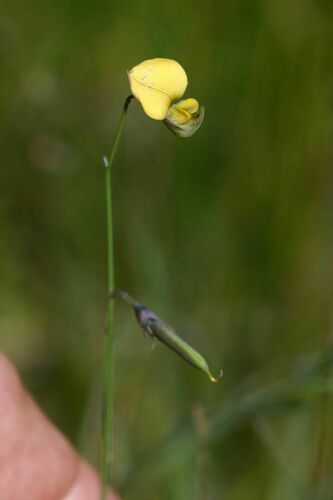
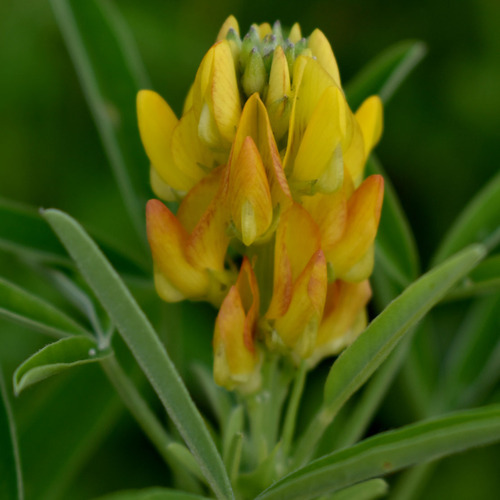
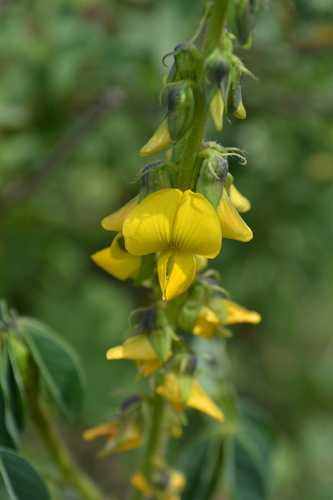
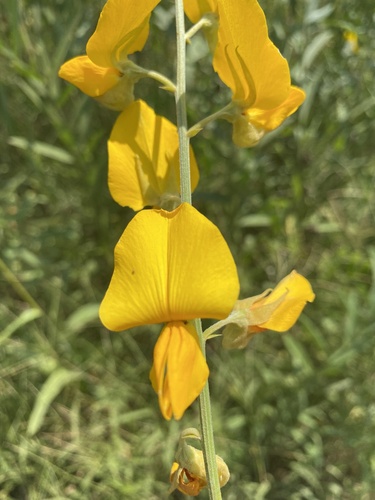
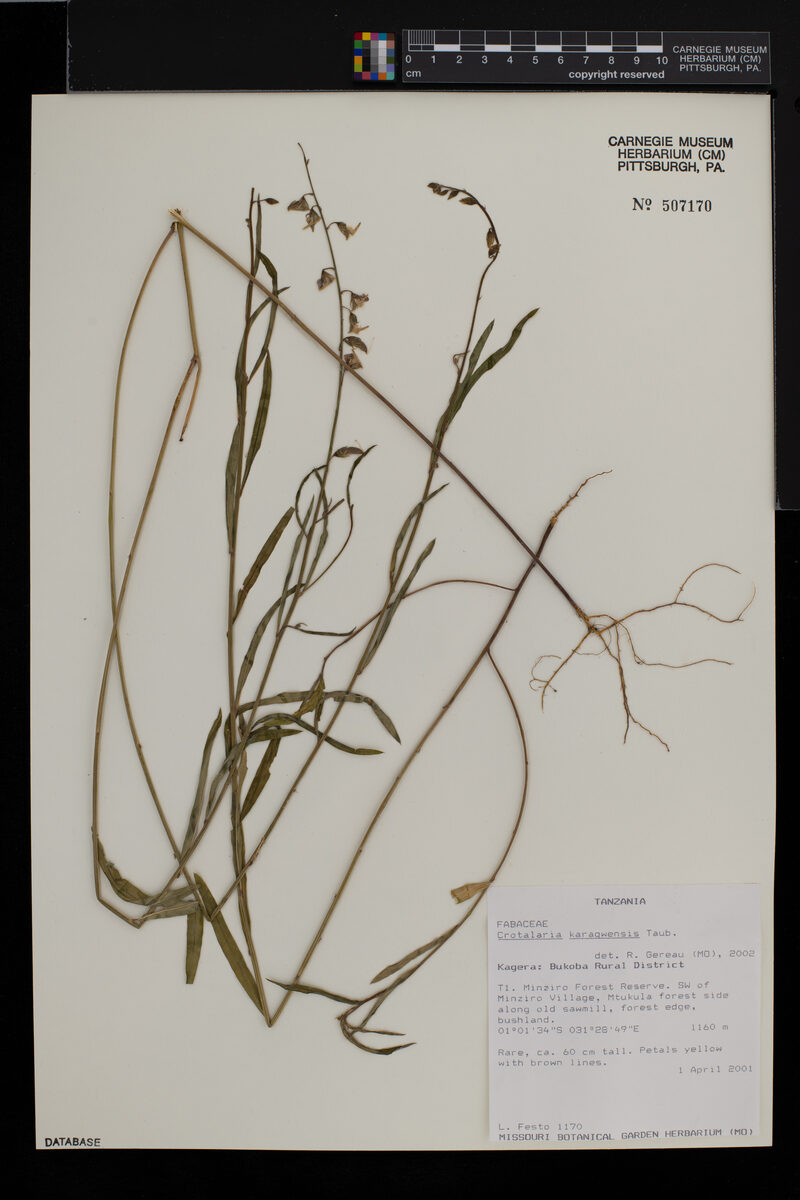
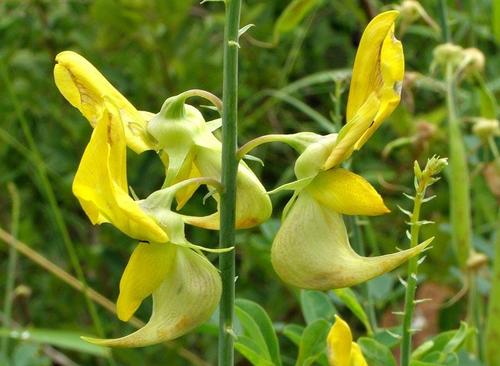
A herb. It has long roots 60-90 cm long. The leaves have 3 leaflets. The leaflets are narrowly oval and taper to the tip. The flowers are yellow and in clusters on the ends of long stalks.
Edible Uses
The flowers and occasionally the leaves are eaten cooked. The seeds or beans have been eaten in times of hunger, cooked in the pods. The root tubers are also edible.
Traditional Uses
The flowers and occasionally the leaves are eaten cooked. The seeds or beans have been eaten in times of hunger. They are cooked in the pods.
This uses section is brief — help expand it
Distribution
A tropical plant. It grows between 330-1,800 m above sea level. It can grow in arid places.
Where It Grows
Africa, Angola, Botswana, Burundi, Central Africa, Congo DR, East Africa, Eswatini, Malawi, Mozambique, South Africa, Southern Africa, Swaziland, Tanzania, Zambia, Zimbabwe,
Nutrition
| Part | Moisture | kJ | kcal | Protein | Vit A | Vit C | Iron | Zinc |
|---|---|---|---|---|---|---|---|---|
| Seeds | 40 | 365 | 87 | 2.9 | — | — | 640 | — |
| Flowers | 84 | 308 | 74 | 16.5 | — | — | — | — |
Synonyms
Also Known As
Chitupatupa, Karuburo, Kimamba, Mkhunga, Mlali, Ngunga, N'khunga
References (17)
- Busson, 1981,
- Ferns, Useful Tropical Plants.
- Fowler, D. G., 2007, Zambian Plants: Their Vernacular Names and Uses. Kew. p 40
- Grubben, G. J. H. and Denton, O. A. (eds), 2004, Plant Resources of Tropical Africa 2. Vegetables. PROTA, Wageningen, Netherlands. p 565
- ILDIS Legumes of the World http:www:ildis.org/Legume/Web
Show all 17 references Hide references
- Jardin, C., 1970, List of Foods Used In Africa, FAO Nutrition Information Document Series No 2.p 104
- Jardin, C., 1970, List of Foods Used In Africa, FAO Nutrition Information Document Series No 2.p 29, 104 (As Sphenostylis erecta)
- Legum. Trop. Africa 422. 1929 (As Sphenostylis erecta)
- Malaisse, F., 1997, Se nourrir en floret claire africaine. Approche ecologique et nutritionnelle. CTA., p 69
- Martin, F.W. & Ruberte, R.M., 1979, Edible Leaves of the Tropics. Antillian College Press, Mayaguez, Puerto Rico. p 200 (As Sphenostylis erecta)
- Menninger, E.A., 1977, Edible Nuts of the World. Horticultural Books. Florida p 100
- E. H. F. Meyer & J. F. Drege, Comm. pl. Afr. austr. 148. 1836
- Peters, C. R., O'Brien, E. M., and Drummond, R.B., 1992, Edible Wild plants of Sub-saharan Africa. Kew. p 138
- Royal Botanic Gardens, Kew (1999). Survey of Economic Plants for Arid and Semi-Arid Lands (SEPASAL) database. Published on the Internet; http://www.rbgkew.org.uk/ceb/sepasal/internet [Accessed 29th April 2011]
- Swaziland's Flora Database http://www.sntc.org.sz/flora (subsp. marginata)
- Terra, G.J.A., 1973, Tropical Vegetables. Communication 54e Royal Tropical Institute, Amsterdam, p 76 (As Sphenostylis erecta)
- Williamson, J., 2005, Useful Plants of Malawi. 3rd. Edition. Mdadzi Book Trust. p 233