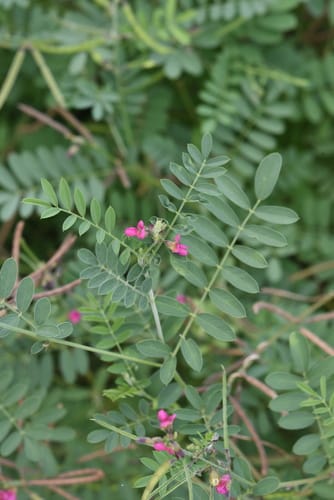
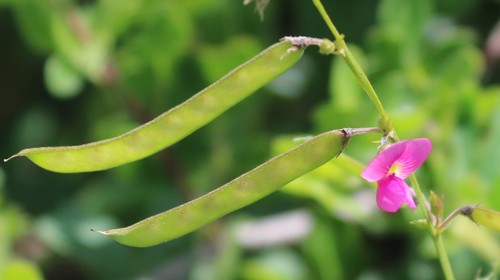
Neptunia plena
(L.) Benth.
Thai watercress, Thai mimosa
iNaturalist· cc-by-nc-sa
(c) 106611639464075912591, some rights reserved (CC BY-NC-SA), uploaded by 106611639464075912591
iNaturalist· cc-by-nc
(c) degilbo, some rights reserved (CC BY-NC)
iNaturalist· cc-by-nc
(c) degilbo, some rights reserved (CC BY-NC)
Description
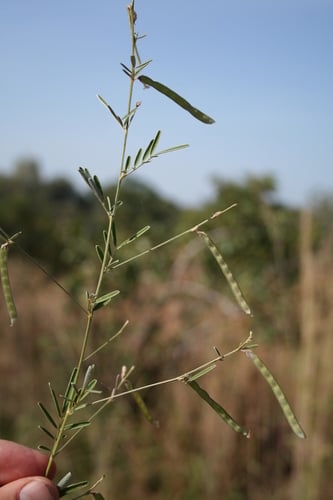
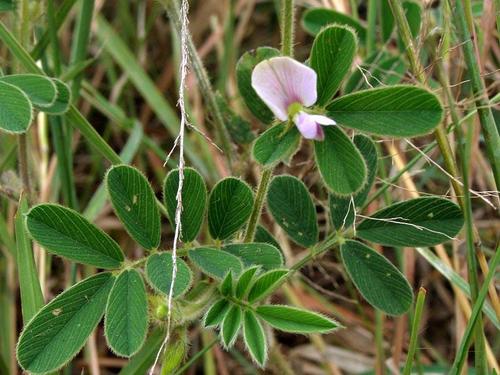
A herb. It keeps growing from year to year. It can partly grow in water. The stems are erect and branching. The leaves have 4-10 pairs of pinnae with 9-40 leaflets on each. These are 4-18 mm long by 2-3 mm wide. The pods are oblong and 5-10 cm long by 2 cm wide. There are 5-20 seeds.
Edible Uses
The leaves are eaten.
Distribution
A tropical plant. It grows well in warm, nutrient-rich mud. In southern China it grows from sea level to 100 m above sea level.
Where It Grows
Aruba, Asia, Bahamas, Bangladesh, Bolivia, Brazil, Central America*, China, Cuba, Dominican Republic, Ecuador, El Salvador, French Guiana, Guatemala, Guianas, Guyana, Haiti, Honduras, India, Indochina, Indonesia, Jamaica, Lesser Antilles*, Malaysia, Mexico*, Nicaragua, North America, Panama, Paraguay, Peru, Puerto Rico, SE Asia, South America*, Sri Lanka, Suriname, Taiwan, Thailand, Trinidad-Tobago, USA, Venezuela, Vietnam, Virgin Islands, West Indies*,
Cultivation
It can be grown from seed. The tough seed coating needs to be broken.
Notes
Also as Mimosaceae.
Synonyms
Also Known As
Aquatic sensitive plant, Banyu putri malu, Water dead-and-awake
References (5)
- J. Bot. (Hooker) 4:355. 1841
- Kew Plants of the World Online
- Plants of Haiti Smithsonian Institute http://botany.si.edu/antilles/West Indies
- Romanowski, N., 2007, Edible Water Gardens. Hyland House. p 64
- Sukarya, D. G., (Ed.) 2013, 3,500 Plant Species of the Botanic Gardens of Indonesia. LIPI p 1152