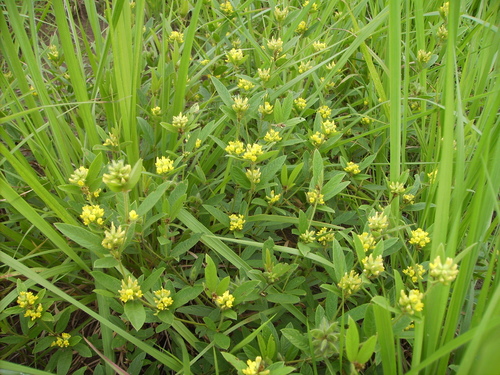
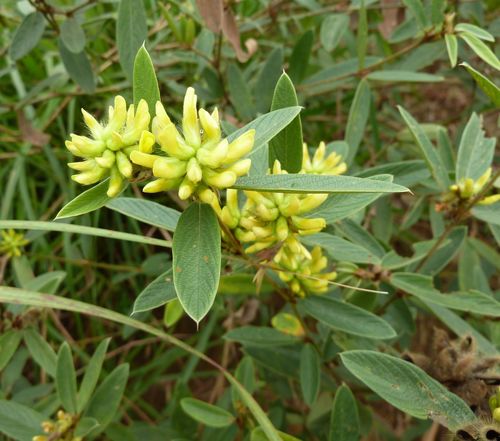
Nesphostylis bracteata
(Baker) D. Potter & J. J. Doyle
Indian nesphostylis
iNaturalist· cc-by-sa
(c) Dinesh Valke, some rights reserved (CC BY-SA)
iNaturalist· cc-by-sa
(c) Dinesh Valke, some rights reserved (CC BY-SA)
iNaturalist· cc-by-sa
(c) Dinesh Valke, some rights reserved (CC BY-SA)
Description
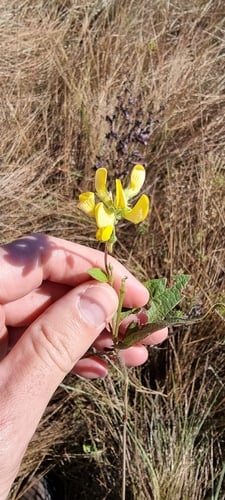
A climbing herb. It keeps growing from year to year. The leaves have 3 leaflet. The flowers occur singly in the axils of leaves. The flowers are large and blue or purple. The fruit are narrow pods. There are many seeds.
Edible Uses
Young seedpods - cooked. Usually boiled. The seedpod is 12 - 15cm long and 10mm wide, containing 10 - 12 seeds. Leaves - cooked.
Traditional Uses
The tubers are eaten.
This uses section is brief — help expand it
Distribution
A tropical plant.
Where It Grows
Asia, India,
Synonyms
Dolichos bracteatus BakerDolichos ghaticus Santapu & PanthakiSphenostylis bracteata (Baker) J. B. Gillet
Also Known As
Bhendri, Raan pavata
References (3)
- Ambasta, S.P. (Ed.), 2000, The Useful Plants of India. CSIR India. p 182 (As Dolichos bracteatus)
- Martin, F.W. & Ruberte, R.M., 1979, Edible Leaves of the Tropics. Antillian College Press, Mayaguez, Puerto Rico. p 199 (As Dolichos bracteatus)
- Terra, G.J.A., 1973, Tropical Vegetables. Communication 54e Royal Tropical Institute, Amsterdam, p 45 (As Dolichos bracteatus)