Sphaeralcea coccinea
(Nutt.) Rydb.
Globemallow, Prairie mallow, Red false mallow, Scarlet mallow
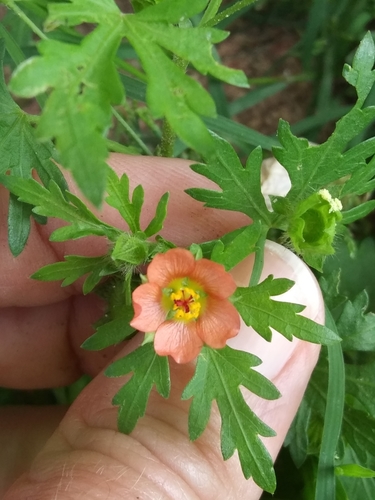
iNaturalist· cc-by-nc
(c) Lena Zappia, some rights reserved (CC BY-NC), uploaded by Lena Zappia
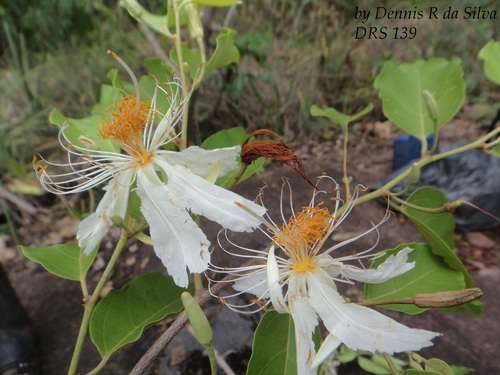
iNaturalist· cc-by-nc
(c) Kaleb Goff, some rights reserved (CC BY-NC), uploaded by Kaleb Goff
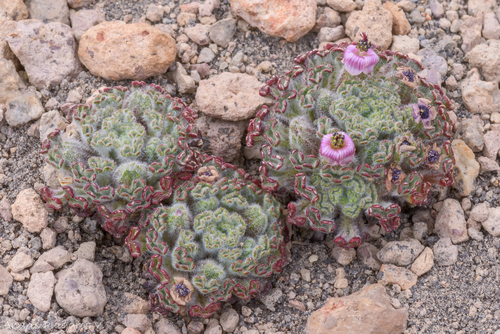
iNaturalist· cc-by-nc-sa
(c) Melissa Shaver, some rights reserved (CC BY-NC-SA), uploaded by Melissa Shaver
Summary
Source: WikipediaSphaeralcea coccinea, commonly known as the scarlet globemallow, scarlet mallow, cowboy's delight, prairie mallow, red false mallow, or simply as globe mallow is a perennial plant growing 10–30 cm tall from spreading rhizomes with a low habit. They have grayish stems with dense, star-shaped hairs and alternately arranged leaves. The leaf blades are 2–5 cm long, palmately shaped, and deeply cut, with 3–5 main wedge-shaped segments. The undersides of the leaves have gray hairs. The 1–2.5 cm wide flowers are reddish-orange and saucer-shaped, with 5 notched, broad petals, in small terminal clusters. It produces numerous stamen which surround the pistils as a tube. Plants flower from May to October in southern regions and May to July in northern regions. The plant produces a dry "fruit" called a schizocarp, which after maturity, breaks into roughly 10 or more seed segments. This species is native to dry grasslands, prairies, and badlands of the Great Plains and western regions of northern North America. It thrives along roadsides in drier conditions and sandy soils. The plant releases its seeds upon being disturbed, allowing it to further spread to new areas.
Description
A small shrub. It grows 15-45 cm high and spreads 15-30 cm wide. It is well branched and keeps growing from year to year. The stems often lie along the ground and form mats. The leaves are alternate and simple. The leaves are divided long the stalk. These divisions are forked or lobed and have soft hairs. The leaves have a rough texture and are grey-green. The flowers are orange-red. They are 12-20 mm across. They occur in short, dense leafy spikes. The fruit is dry and has segments with a few seeds.
Edible Uses
The root is used to make a drink.
Traditional Uses
The root is used to make a drink.
This uses section is brief — help expand it
Distribution
It is a temperate plant. It grows in light sandy soil in dry prairie. It suits hardiness zones 4-9.
Where It Grows
Australia, Canada, North America, USA,
Synonyms
References (7)
- Bull. Torrey Bot. Club 40:58. 1913 [As (Nutt.) Rydb.]
- Cormack, R. G. H., 1967, Wild Flowers of Alberta. Commercial Printers Edmonton, Canada. p 199
- Cundall, P., (ed.), 2004, Gardening Australia: flora: the gardener's bible. ABC Books. p 1361
- ELMORE,
- Lim, T. K., 2015, Edible Medicinal and Non Medicinal Plants. Volume 9, Modified Stems, Roots, Bulbs. Springer p 79
Show all 7 references Hide references
- MINNIS,
- Moerman, D. F., 2010, Native American Ethnobotany. Timber Press. p 540