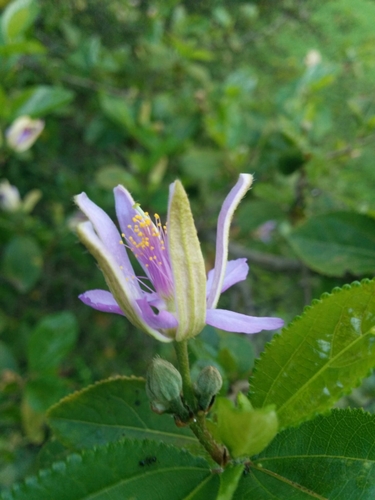
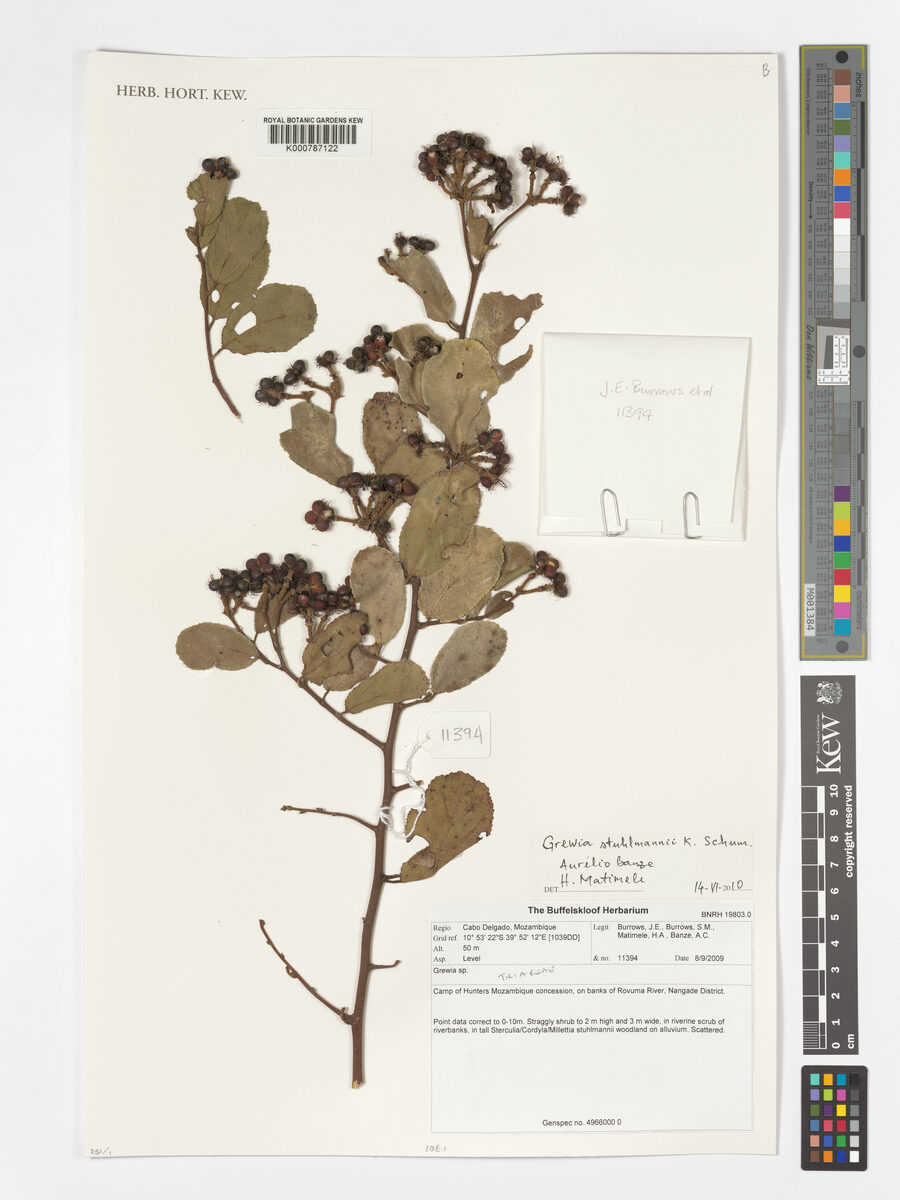
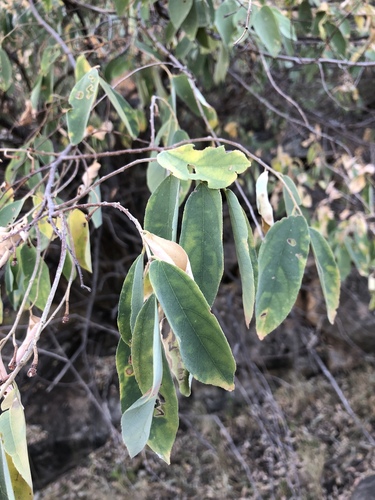
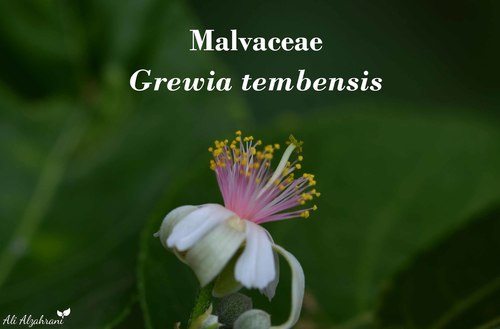
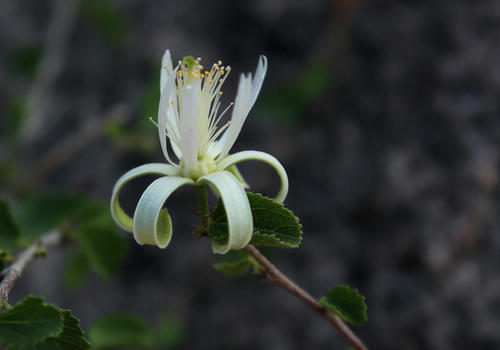
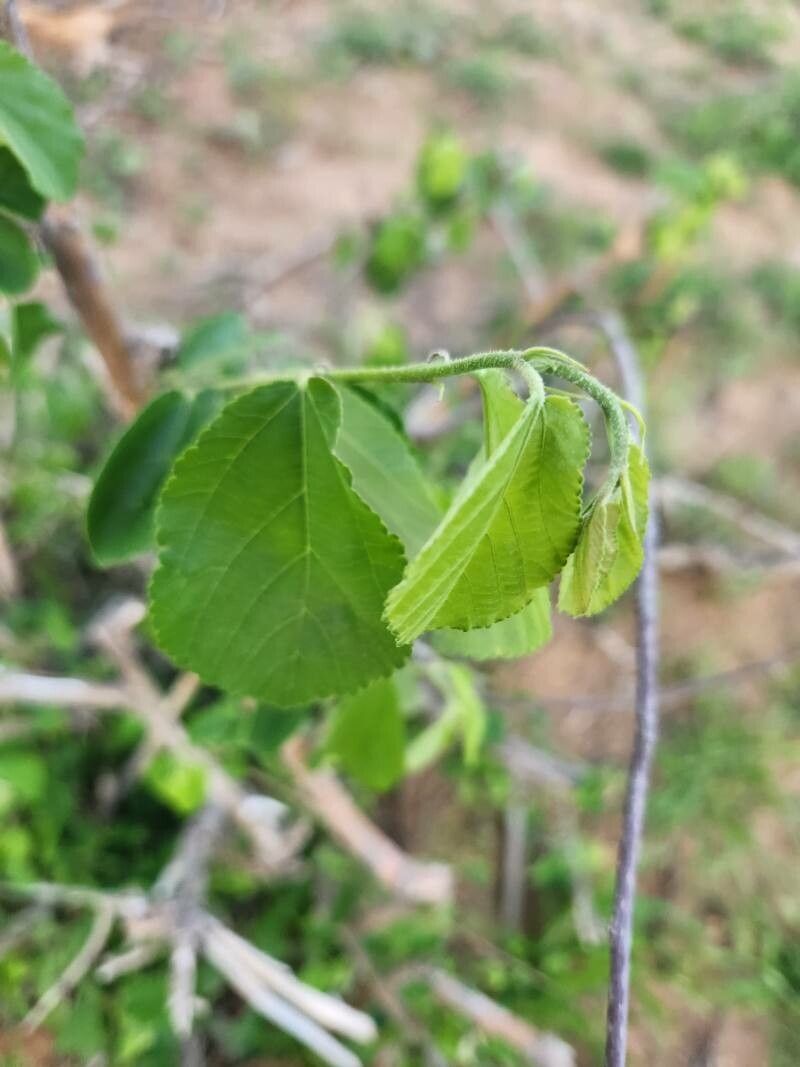
Mollia lepidota
Spruce ex Benth.
Scurfy mollia
iNaturalist· cc-by-nc
(c) denisilvae, some rights reserved (CC BY-NC)
iNaturalist· cc-by-nc
(c) markrios13, some rights reserved (CC BY-NC)
Description
A tropical tree in the Malvaceae family that grows at elevations between 120–400 m. It produces edible fruit.
This description is brief — help expand it
Edible Uses
The fruit is eaten.
Distribution
It is a tropical plant. It grows between 120-400 m above sea level.
Where It Grows
Amazon, Bolivia, Brazil, Colombia, Ecuador, Guyana, Peru, South America, Venezuela,
Cultivation
Grows best in a sunny position. Tolerant of wet soils and seasonal inundation. Grows wild on white sandy soils. Young trees have a fast rate of growth, easily exceeding a height of 2 metres within 2 years from seed.
Propagation
Seed - best sown as soon as it is ripe in a partially shaded position in a nursery seedbed. A low germination rate can usually be expected, with the seed sprouting within 40 - 60 days.
Other Uses
The wood is medium-textured, straight-grained, moderately heavy, easy to cut, with moderate mechanical properties and a low resistance to wood-eating organisms. It is used for furniture frames, moldings, boxes, curved pieces etc. The tree is found in the wild in the Amazon in areas of poor, low vegetation and poor, white sandy soils. It is a part of the successional process, enriching the soil as the area gradually becomes more fertile, thus enabling the tree cover to gradually increase until the forest is restored. It can, therefore, be used as a pioneer plant, especially in such poor soils, for restoring native woodland.
Also Known As
Achote vara, Apa chara, Cenato, Coto caspi, Tutumillo
References (3)
- Grandtner, M. M. & Chevrette, J., 2013, Dictionary of Trees, Volume 2: South America: Nomenclature, Taxonomy and Ecology. Academic Press p 417
- Kew Plants of the World On line
- Roa, J. A. G. & Boada, D. S. G., 2018, Fundación para el Fortalecimiento de la Fruticultura y Plantas Alimenticias no Convencionales en Colombia.