Sorghum plumosum
(R. Br.) P. Beauv.
Plume Sorghum, Plume canegrass
iNaturalist· cc-by-nc
(c) Penny Taylor, some rights reserved (CC BY-NC)
iNaturalist· cc-by-nc
(c) Penny Taylor, some rights reserved (CC BY-NC)
iNaturalist· cc-by-nc
(c) Penny Taylor, some rights reserved (CC BY-NC)
Description
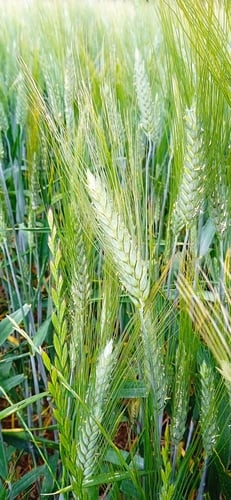
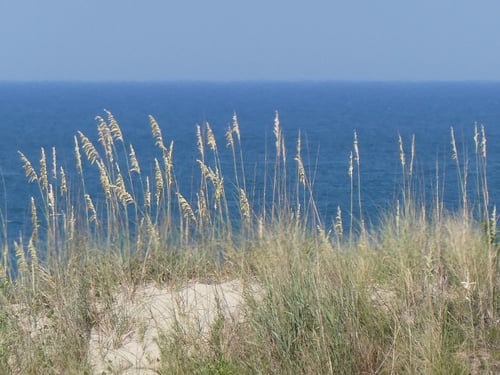
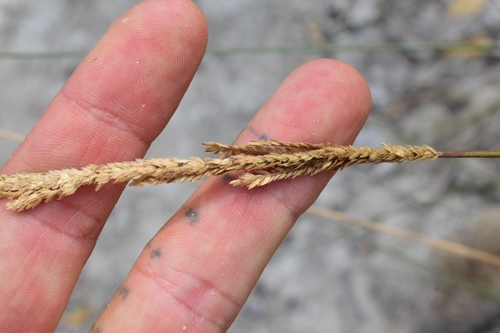
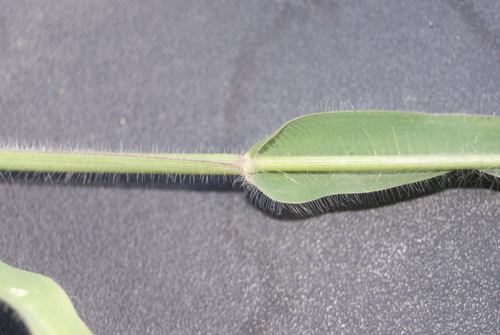
A millet grass. A leafy grass which forms tussocks. It has a stout root system and keeps growing from year to year. The stems are 60-150 cm high. The stems are thick and woody. The leaf sheaths are smooth. The leaf blades are flat and sometimes hairy. The inflorescence is an open panicle. It is 14-30 cm long.
Edible Uses
The seeds are eaten as a cereal.
Distribution
A tropical plant. It grows on flood plains and creek banks in the Kimberleys. It grows in tropical and subtropical regions.
Where It Grows
Australia*,
References (7)
- Ess. Agrostogr. 132,165,178. 1812
- Isaacs, J., 1987, Bush Food, Aboriginal Food and Herbal Medicine. Weldons. p 107
- Kenneally, K.E., Edinger, D. C., and Willing T., 1996, Broome and Beyond, Plants and People of the Dampier Peninsula, Kimberley, Western Australia. Department of Conservation and Land Management. p 224
- Lazarides, M. & Hince, B., 1993, Handbook of Economic Plants of Australia, CSIRO. p 25
- Paczkowska, G. & Chapman, A.R., 2000, The Western Australian Flora. A Descriptive Catalogue. Western Australian Herbarium. p 116
Show all 7 references Hide references
- Petheram, R.J. and Kok, B., 2003, Plants of the Kimberley Region of Western Australia. UWA Press p 215
- Wheeler, J.R.(ed.), 1992, Flora of the Kimberley Region. CALM, Western Australian Herbarium, p 1221