Sorbus mougeotii
Soy-Willem. & Godr.
Swedish whitebeam
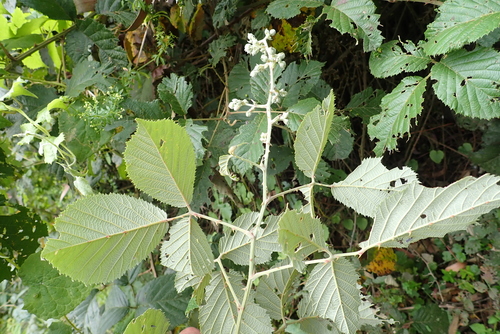
iNaturalist· cc-by-nc
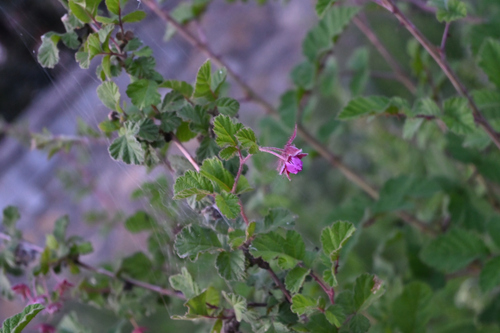
(c) Alba Rovira, some rights reserved (CC BY-NC)
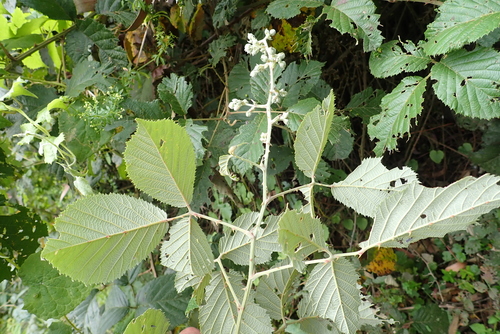
iNaturalist· cc-by-nc
(c) Alba Rovira, some rights reserved (CC BY-NC)
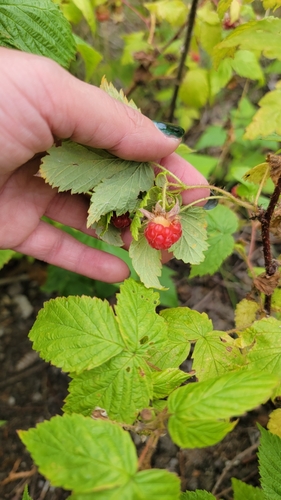
iNaturalist· cc-by-nc-sa
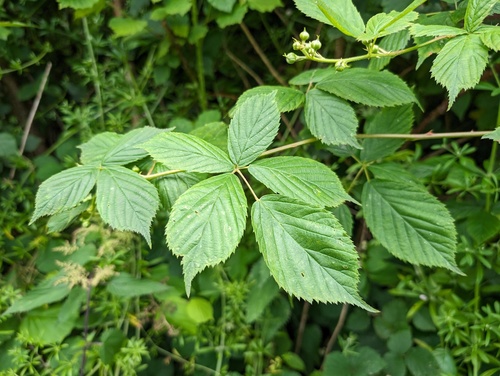
(c) Erdi, some rights reserved (CC BY-NC-SA)
Summary
Source: WikipediaA deciduous tree reaching 18m tall at a medium growth rate, hardy to UK zone 6 and not frost tender. Hermaphroditic, self-fertile, and apomictically reproducible; pollinated apomictically. Flowers in May with seeds ripening in September. Grows in light sandy, medium loamy, and heavy clay soils with good drainage; tolerates mildly acid to mildly alkaline pH. Can grow in semi-shade or full sun, prefers moist soil, and resists strong winds but not maritime exposure.
Description
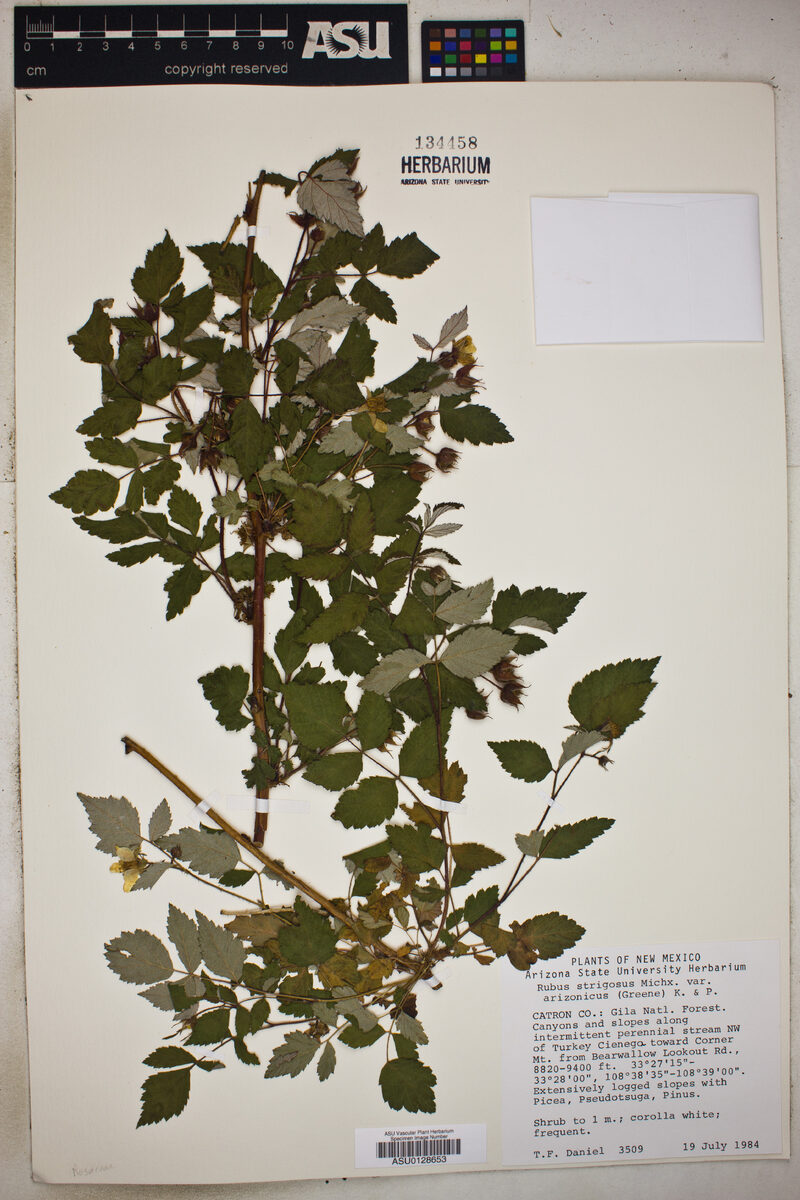
A large shrub or small tree. It grows 12 m high and spreads 4.5 m wide. The leaves are simple and broadly oval. They have shallow lobes. The leaves are pale grey underneath. The flowers are cream and in small heads. The fruit are green but become red as they ripen.
Edible Uses
The fruit can be eaten raw or cooked. Sampled in early September before fully ripe, it already had a pleasant, slightly sweet flavour and a mealy texture, making it a very acceptable dessert fruit. The fruit is about 10mm in diameter and grows in fairly large clusters that make harvesting simple. For raw eating, it is often bletted — stored in a cool, dry place until nearly but not quite rotten — at which point it takes on a delicious taste reminiscent of a luscious tropical fruit; at this stage the fruit is up to 8mm in diameter.
Medicinal Uses
None known.
Known Hazards
The seeds probably contain hydrogen cyanide. This is the ingredient that gives almonds their characteristic flavour. Unless the seed is very bitter it should be perfectly safe in reasonable quantities. In small quantities, hydrogen cyanide has been shown to stimulate respiration and improve digestion, it is also claimed to be of benefit in the treatment of cancer. In excess, however, it can cause respiratory failure and even death.
Distribution
It is a temperate plant. It is native to the mountains of northern Europe. It suits hardiness zones 6-9. Hobart Botanical Gardens.
Where It Grows
Alps, Australia, Europe, Scandinavia, Sweden, Tasmania,
Cultivation
Succeeds in most reasonably good soils in an open sunny position. Tolerates light shade, though it fruits better in a sunny position. Plants are susceptible to fireblight. A tetraploid species, it is closely related to S. intermedia and S. latifolia. Very similar to S. anglica. The trees usually have apomictic flowers. They thus produce seed asexually, each seedling being a clone of the parent.
Propagation
Seed is best sown as soon as it is ripe in a cold frame, though with sufficient quantity it can go directly into an outdoor seedbed. Stored seed benefits from 2 weeks of warm stratification followed by 14–16 weeks of cold stratification, so sow as early in the year as possible. Prick seedlings into individual pots once large enough to handle. Top-growth is very slow in the first year or two as the plants focus on root development, so keep them in a cold frame through their first winter before planting out into permanent positions in late spring.
Other Uses
None known.
Notes
There are about 75 Sorbus species.
Synonyms
References (3)
- Bull. Soc. Bot. France 5:447. 1858
- Cundall, P., (ed.), 2004, Gardening Australia: flora: the gardener's bible. ABC Books. p 1357
- Plants for a Future database, The Field, Penpol, Lostwithiel, Cornwall, PL22 0NG, UK. http://www.scs.leeds.ac.uk/pfaf/