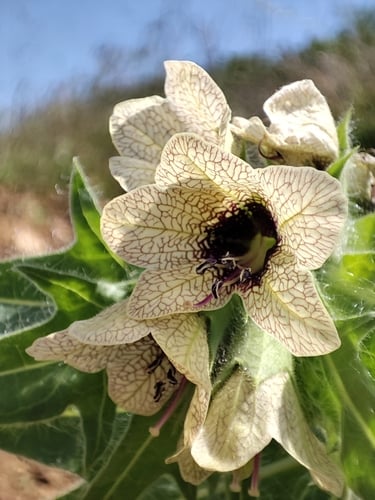
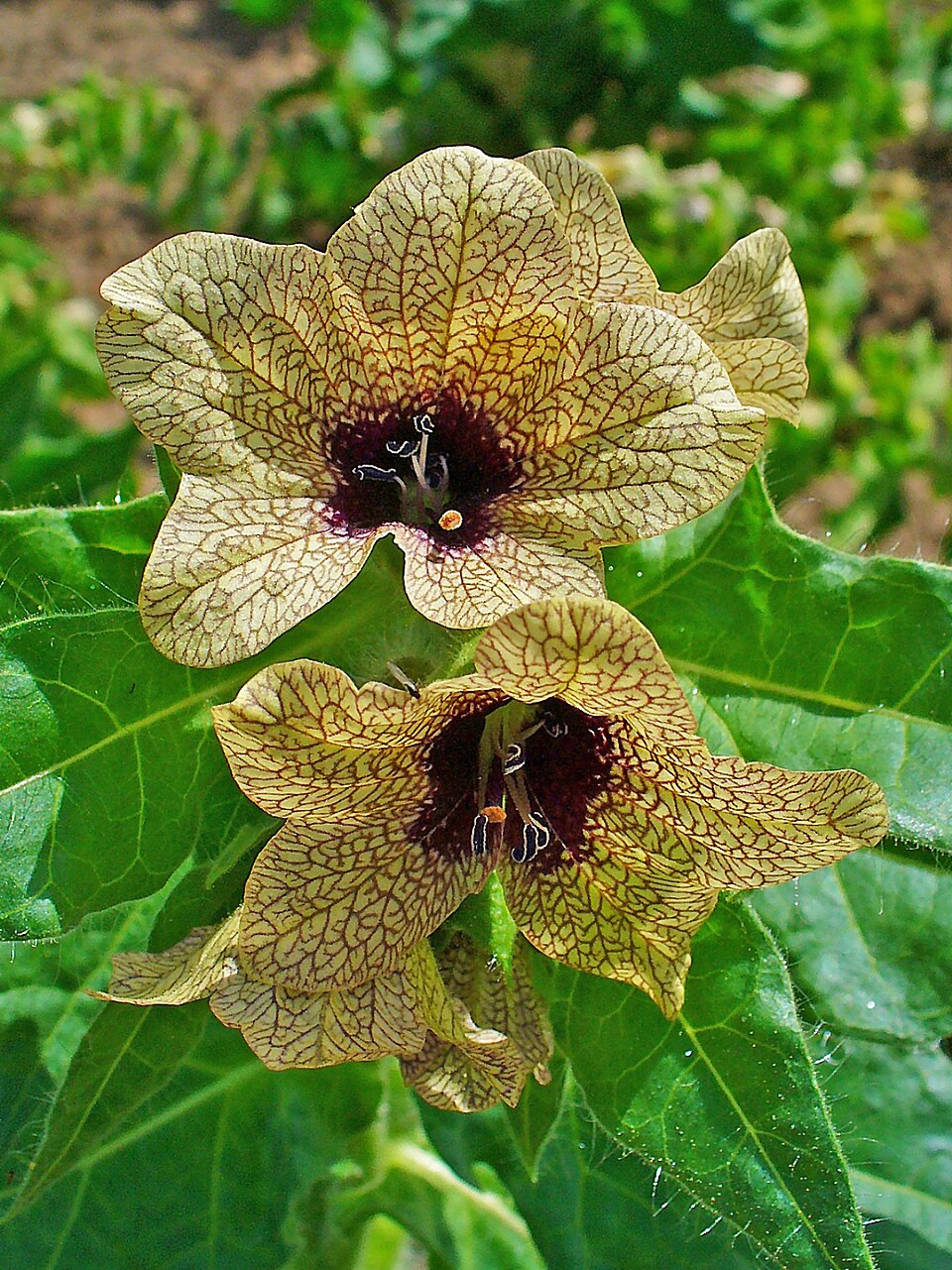
Solanum tetrandrum
R. Br.
Mulkmulk
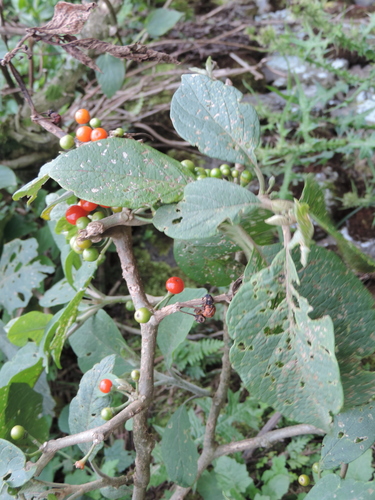
iNaturalist· cc-by-nc
(c) amouly, some rights reserved (CC BY-NC)
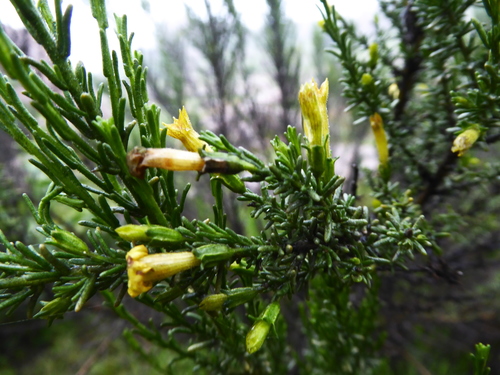
iNaturalist· cc-by-nc
(c) Nicolas Rinck, some rights reserved (CC BY-NC)
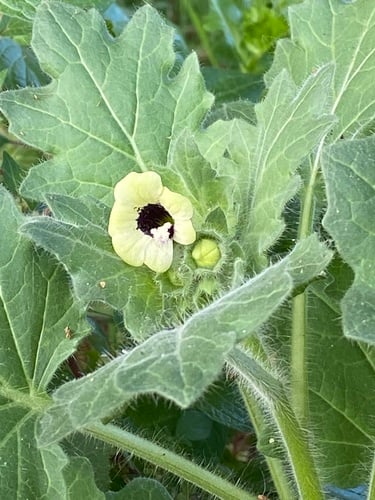
iNaturalist· cc-by-nc
(c) Nicolas Rinck, some rights reserved (CC BY-NC)
Description
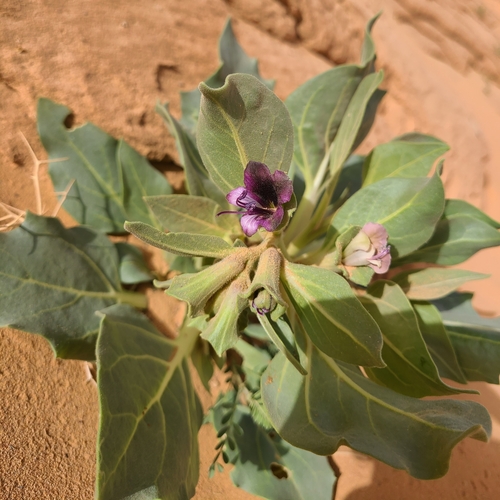
A small shrub. It grows 3 m tall. The leaves are grey-green and hairy. They are 6-12 cm long by 3-7 cm wide. There are hairs of the leaf surfaces. The flowers are 12-17 mm across. The fruit are round and 6-8 mm across. There are many seeds.
Edible Uses
The fruit are eaten when red and ripe.
Traditional Uses
The fruit are eaten when red and ripe. CAUTION: Some closely related species are poisonous.
This uses section is brief — help expand it
Known Hazards
Some closely related species in the Solanum genus are poisonous.
Distribution
A tropical plant. It grows naturally in monsoon vine forests.
Where It Grows
Australia, New Caledonia, Pacific, Papua New Guinea, PNG,
Notes
There are about 1400 Solanum species. It is an unresolved name in The Plant List.
Synonyms
References (2)
- Borrell, O.W., 1989, An Annotated Checklist of the Flora of Kairiru Island, New Guinea. Marcellin College, Victoria Australia. p 138
- Yunupinu Banjgul, Laklak Yunupinu-Marika, et al. 1995, Rirratjinu Ethnobotany: Aboriginal Plant Use from Yirrkala, Arnhem Land, Australia. Northern Territory Botanical Bulletin No 21. Parks and Wildlife Commission of the Northern Territory. p 70.