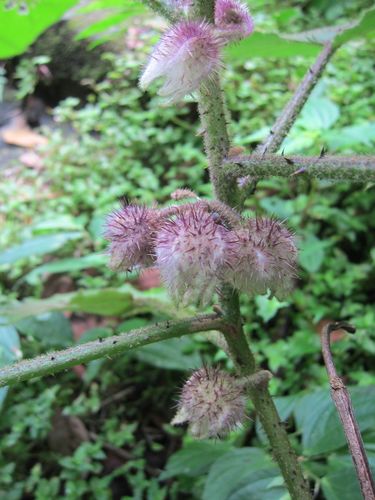
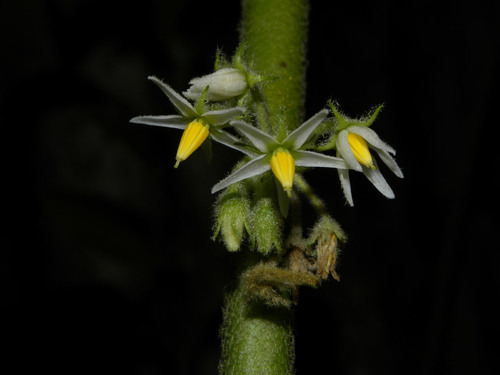
Solanum chaucha
Juz.&Bukasov.
Chaucha
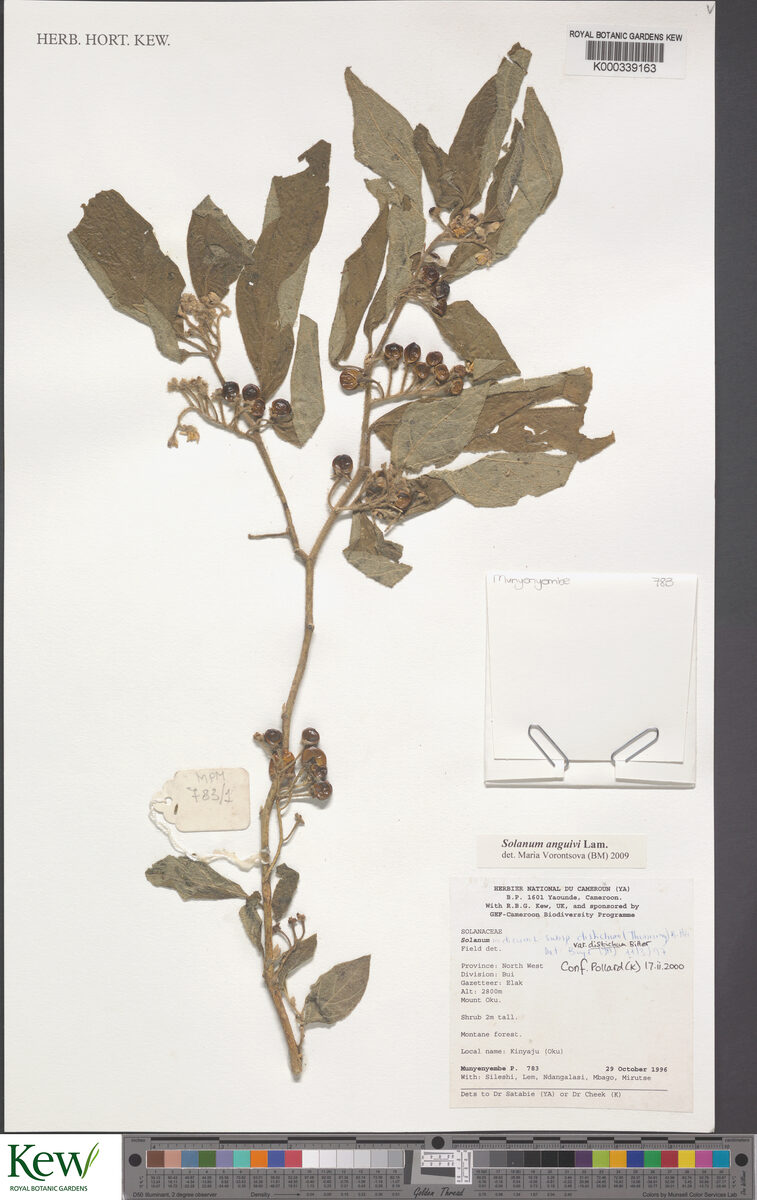
gbif· cc-by
Royal Botanic Gardens, Kew
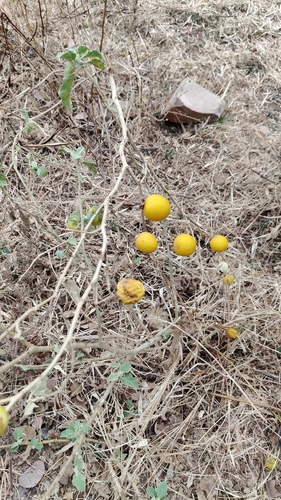
gbif· cc-by
Royal Botanic Gardens, Kew
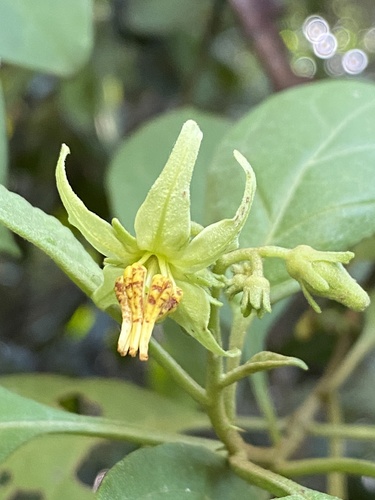
gbif· cc-by
Royal Botanic Gardens, Kew
Description
Solanum chaucha is a PERENNIAL. It is frost tender. The species is hermaphrodite (has both male and female organs). Suitable for: light (sandy), medium (loamy) and heavy (clay) soils. Suitable pH: mildly acid, neutral and basic (mildly alkaline) soils. It can grow in semi-shade (light woodland) or no shade. It prefers moist soil.
Edible Uses
Root - cooked.
Known Hazards
Although no specific mention of toxicity has been seen for this species, it belongs to a genus where many if not all the members have poisonous leaves and sometimes also the unripe fruits.
Distribution
S. America - Andes. Probably a hybrid, S. stenotomum x S. andigenum.
Where It Grows
Coming Soon
Cultivation
Succeeds in most soils. Dislikes wet or heavy clay soils. Prefers a slightly acid soil, the tubers are subject to scab on limy soils or those deficient in humus. Yields best on a fertile soil rich in organic matter. This plant is one of the S. American species of potatoes. It is not frost hardy but can probably be grown in much the same way as potatoes are grown by planting out the tubers in spring and harvesting in the autumn. Widely cultivated by the S. American Indians, its cultivation is spreading because its tubers are bigger than many other species and it yields well, probably due to hybrid vigour. Plants might have strict daylength requirements and may yield poorly in temperate zones because they need short-days in order to induce tuber-formation. This species is a sterile triploid. An early sprouting potato, it needs no period of dormancy.
Propagation
Seed - sow early spring in a warm greenhouse. Prick out the seedlings into a fairly rich compost as soon as they are large enough to handle and grow them on fast. Plant them out after the last expected frosts. Division. Harvest the tubers in autumn after the top-growth has been cut back by frost. Store the tubers in a cool frost-free place overwinter and replant in April.