Solanum chenopodioides
Lam.
Whitetip nightshade
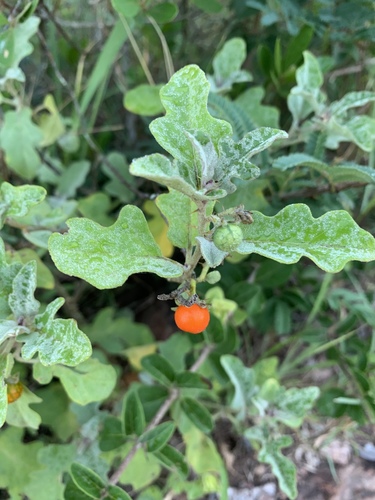
iNaturalist· cc-by-nc
(c) jasperidium, some rights reserved (CC BY-NC)
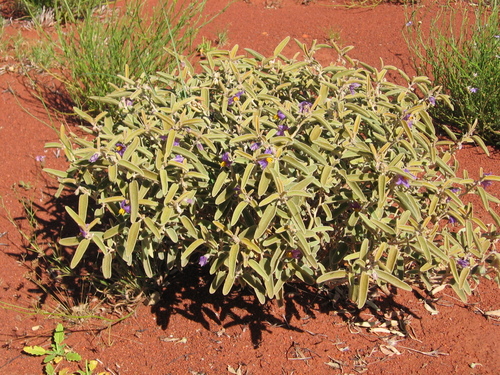
iNaturalist· cc-by-nc
(c) Alba Rovira, some rights reserved (CC BY-NC), uploaded by Alba Rovira
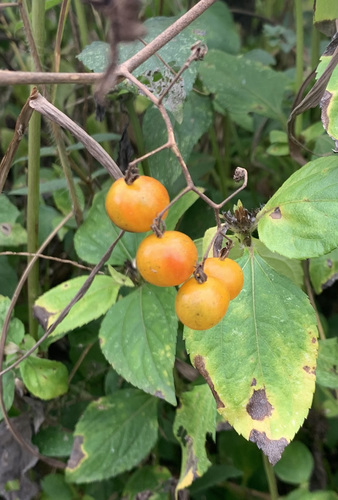
iNaturalist· cc-by-nc
(c) jltasset, some rights reserved (CC BY-NC), uploaded by jltasset
Summary
Source: WikipediaSolanum chenopodioides, commonly known as the whitetip nightshade or velvety nightshade, is a shrub of the family Solanaceae native to South America. It has become naturalised in North America, Europe, Australia, and New Zealand.
Description
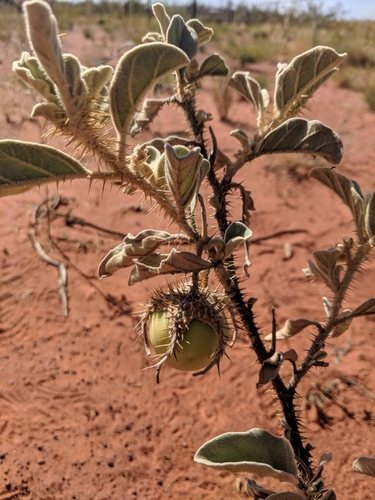
A herb. It grows to 1 m high. It grows each year from seed. The leaves are 3-6 cm long by 1-3 cm wide. The fruit are round and 6-8 mm across.
This description is brief — help expand it
Edible Uses
The fruit can be used for jam, jellies, and processed products. The leaves and fruit are edible.
Traditional Uses
The fruit can be used for jam, jellies and processed products.
This uses section is brief — help expand it
Distribution
It is a subtropical plant. It grows in coastal regions and near watercourses. It can grow in arid places. In Argentina it grows below 500 m above sea level.
Where It Grows
Africa, Argentina, Australia, Brazil*, Chile, Mauritius, New Zealand, Paraguay, South Africa, Southern Africa, South America*,
Synonyms
Also Known As
Erva-moura, Maria-preta, Maria-pretinha
References (11)
- Brack, P., et al, 2020, Frutas nativas do Rio Grande do Sul, Brasil: riqueza e potencial alimentício. Native fruits of Rio Grande do Sul, Brazil: richness and potential as food. Rodriguésia 71: e03102018
- Fox, F. W. & Young, M. E. N., 1982, Food from the Veld. Delta Books. p 347 (As Solanum gracile Dun.)
- Kinupp, V. F., 2007, Plantas alimenticias nao-convencionais da regiao metropolitana de Porto Alegre, RS, Brazil p 103
- Royal Botanic Gardens, Kew (1999). Survey of Economic Plants for Arid and Semi-Arid Lands (SEPASAL) database. Published on the Internet; http://www.rbgkew.org.uk/ceb/sepasal/internet [Accessed 11th June 2011]
- Tabl. encycl. 2(vol. 3):18. 1794
Show all 11 references Hide references
- Ruiters-Welcome, A. K., 2019, Food plants of southern Africa. Ph.D. thesis. Univ. of Johannesburg p 103
- Samuels, J., 2015, Biodiversity of Food Species of the Solonaceae Family: A Preliminary Taxonomic Inventory of Subfamily Solanoideae. Resources 2015, 4. 277-322
- van Wyk, B., 2005, Food Plants of the World. An illustrated guide. Timber press. p 349
- van Wyk, Be., & Gericke, N., 2007, People's plants. A Guide to Useful Plants of Southern Africa. Briza. p 56
- van Wyk, B-E., 2011, The potential of South African plants in the development of new food and beverage products. South African Journal of Botany 77 (2011) 857–868
- Welcome, A. K. & Van Wyk, B.-E., 2019, An inventory and analysis of the food plants of southern Africa. South African Journal of Botany 122 (2019) 136–179