Solanum cumingii
Dun.
Talongtalongan
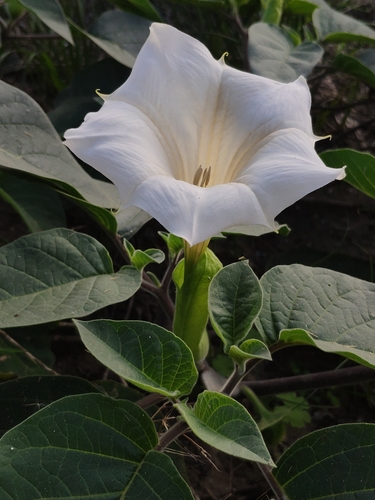
iNaturalist· cc-by-nc
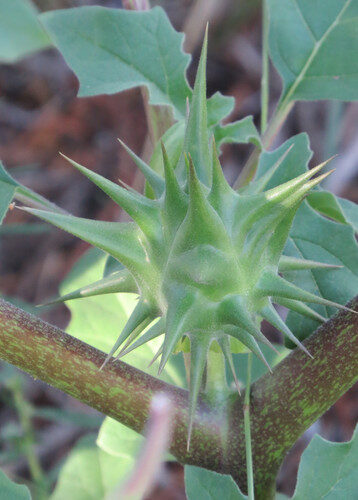
(c) Noopur🍀, some rights reserved (CC BY-NC)
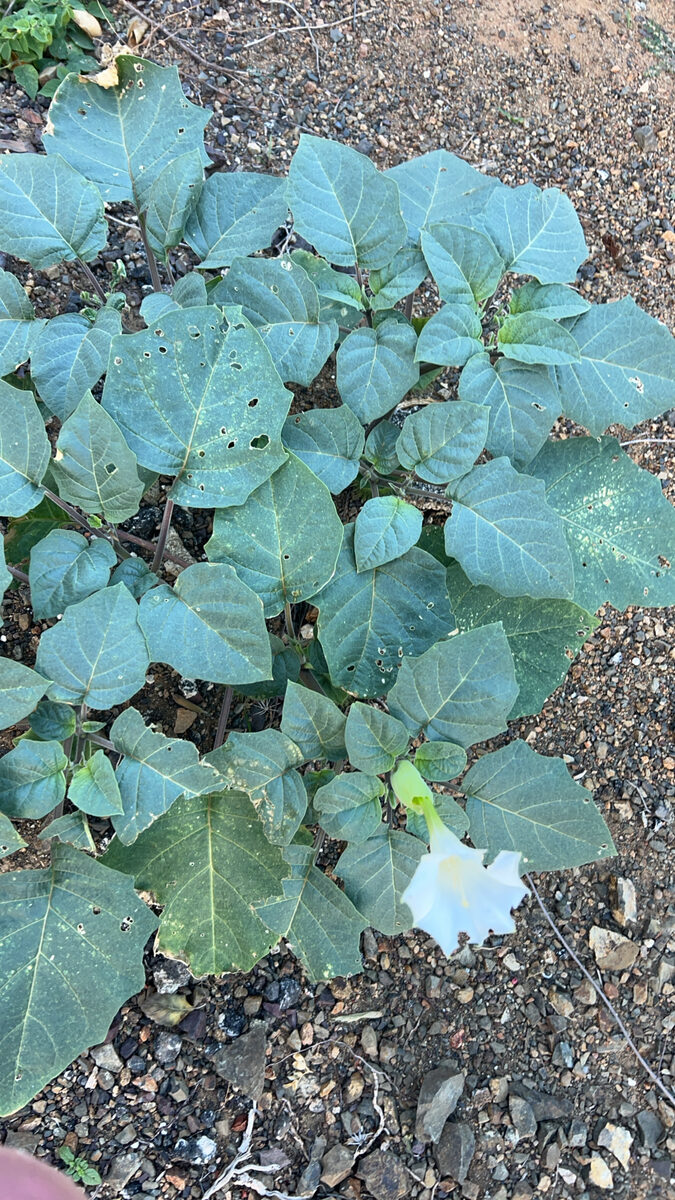
iNaturalist· cc-by
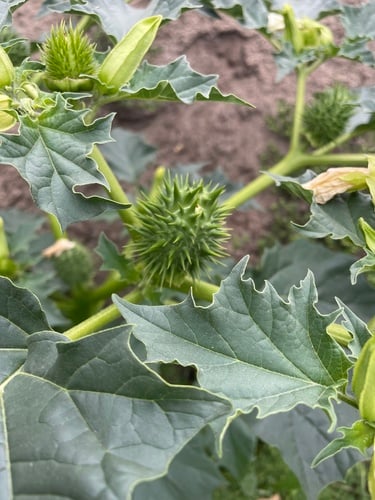
(c) Cheng-Tao Lin, some rights reserved (CC BY)
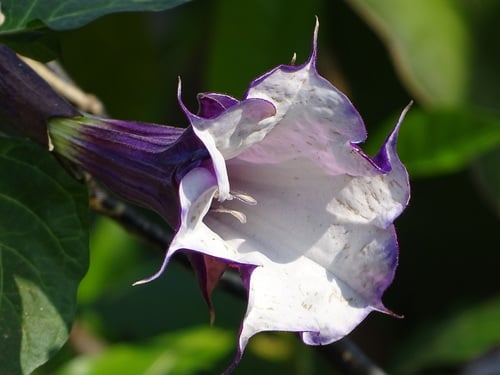
iNaturalist· cc-by
(c) Cheng-Tao Lin, some rights reserved (CC BY)
Description
A spreading branched hairy herb. The stems and leaf stalks are armed with scattered sharp rather stout spines. The leaves are alternate and pointed at the tip. The sides are not the same length at the base. They have lobes which vary in size. The flowers are reddish blue or purple and borne in small numbers of flowering branches in the axils of leaves. The fruit are rounded, smooth, green and mottled with white or yellow.
Edible Uses
The unripe fruit are cooked and eaten as a vegetable.
Traditional Uses
The unripe fruit are cooked and eaten as a vegetable.
This uses section is brief — help expand it
Distribution
A tropical plant. They occur in open waste places throughout the Philippines.
Where It Grows
Asia, Pacific, Philippines, SE Asia,
Notes
There are about 1400 Solanum species.
References (3)
- Brown, W.H., 1920, Wild Food Plants of the Philippines. Bureau of Forestry Bulletin No. 21 Manila. p 152
- Monsalud, M.R., Tongacan, A.L., Lopez, F.R., & Lagrimas, M.Q., 1966, Edible Wild Plants in Philippine Forests. Philippine Journal of Science. p 547
- Polinag, M. A., 2003, Food from the Wilderness. Department of Environment and Natural Resources. Laguna.