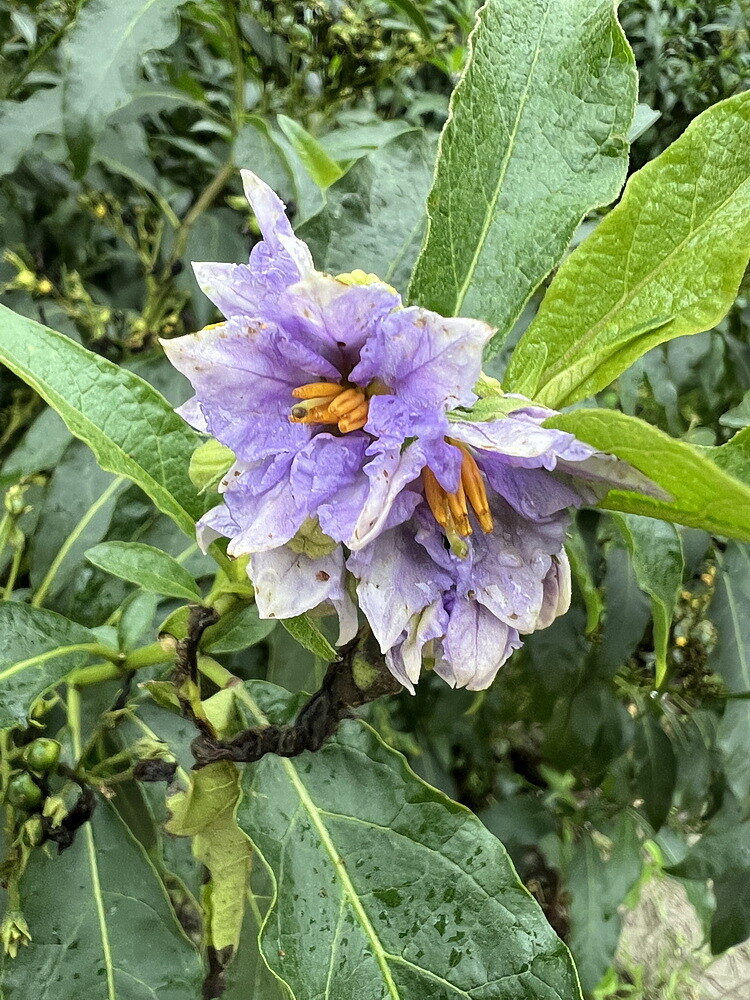
Solanum anomalum
Thonn. ex Schumach.
Children's tomato
iNaturalist· cc-by-nc
(c) Zilpa Miranda, some rights reserved (CC BY-NC), uploaded by Zilpa Miranda
iNaturalist· cc-by-nc
(c) Zilpa Miranda, some rights reserved (CC BY-NC), uploaded by Zilpa Miranda
iNaturalist· cc-by-nc
(c) Zilpa Miranda, some rights reserved (CC BY-NC), uploaded by Zilpa Miranda
Description
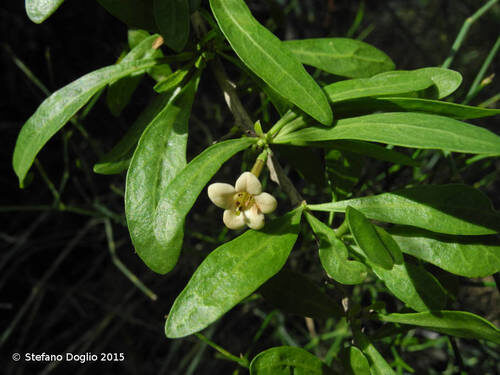
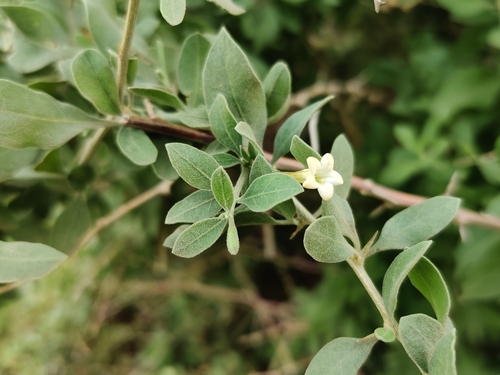
A shrub. It may or may not have thorns. It grows 2-5 m high. The young branches and leaves have a hairy covering. The fruit are round and about 2 cm across. They are yellow-brown.
Edible Uses
The ripe fruit are eaten in soups and sauces as a condiment, or dried, preserved, or fermented. Leaves are occasionally eaten.
Traditional Uses
The ripe fruit are eaten in soups and sauces as a condiment. They can also be dried, preserved or fermented. The leaves are not often eaten.
This uses section is brief — help expand it
Medicinal Uses
The sap from the leaves and fruits is drunk, or taken by enema 1 - 2 times daily, as a treatment for leprosy and gonorrhoea. The fruits are used as a laxative and digestive. They are also served ground up in soups and sauces as an appetizer for sick persons, sometimes mixed with fruits of Parkia. The crushed fruits are applied to maturate inflammations on fingers or toes. The fruit juice is applied to sores on the ears to alleviate pain.
Known Hazards
Although providing many well-known foods for people, including the potato, tomato, pepper and aubergine, most species in this genus also contain toxic alkaloids. Whilst these alkaloids can make the plant useful in treaing a range of medical conditions, they can also cause problems such as nausea, vomiting, salivation, drowsiness, abdominal pain, diarrhoea, weakness and respiratory depression. Unless there are specific entries with information on edible uses, it would be unwise to ingest any part of this plant.
Distribution
It is a tropical plant. It grows in lowland forests in West Africa. It is often in drier parts of the forest zone. It can grow in arid places.
Where It Grows
Africa, Angola, Benin, Cameroon, Central Africa, Central African Republic, CAR, Congo DR, Côte d'Ivoire, East Africa, Ghana, Ivory Coast, Liberia, Mozambique, Nigeria, Sierra Leone, Togo, West Africa,
Propagation
Seed - sow in trays in a nursery. Prick out the seedlings into individual pots when they are large enough to handle and grow them on fast. Plant them out when 10cm or more tall. Cuttings of half-ripe wood. Very easy, the cuttings root within a couple of weeks.
Other Information
It is cultivated as a food plant. It is a minor vegetable.
Notes
There are about 1400 Solanum species.
Synonyms
Also Known As
Nsusoa, Nsusua twi
References (15)
- Abbiw, D.K., 1990, Useful Plants of Ghana. West African uses of wild and cultivated plants. Intermediate Technology Publications and the Royal Botanic Gardens, Kew. p 41
- Burkill, H. M., 1985, The useful plants of west tropical Africa, Vol. 5. Kew.
- Busson, 1965,
- Dalziel, J. M., 1937, The Useful plants of west tropical Africa. Crown Agents for the Colonies London.
- Facciola, S., 1998, Cornucopia 2: a Source Book of Edible Plants. Kampong Publications, p 236
Show all 15 references Hide references
- Gbile, Z. O. and Adesina, S. K., 1988, Nigerian Solanum Species of Economic Importance. Annals of the Missouri Botanical Garden, Vol. 75, No. 3. p 864
- Grubben, G. J. H. and Denton, O. A. (eds), 2004, Plant Resources of Tropical Africa 2. Vegetables. PROTA, Wageningen, Netherlands. p 482
- Jardin, C., 1970, List of Foods Used In Africa, FAO Nutrition Information Document Series No 2.p 101
- Peters, C. R., O'Brien, E. M., and Drummond, R.B., 1992, Edible Wild plants of Sub-saharan Africa. Kew. p 186
- Royal Botanic Gardens, Kew (1999). Survey of Economic Plants for Arid and Semi-Arid Lands (SEPASAL) database. Published on the Internet; http://www.rbgkew.org.uk/ceb/sepasal/internet [Accessed 11th June 2011]
- Samuels, J., 2015, Biodiversity of Food Species of the Solanaceae Family: A Preliminary Taxonomic Inventory of Subfamily Solanoideae. Resources 2015, 4. 277-322
- C. F. Schumacher, Beskr. Guin. pl. 126. 1827
- Terra, G.J.A., 1973, Tropical Vegetables. Communication 54e Royal Tropical Institute, Amsterdam, p 76
- Uphof,
- World Checklist of Useful Plant Species 2020. Royal Botanic Gardens, Kew