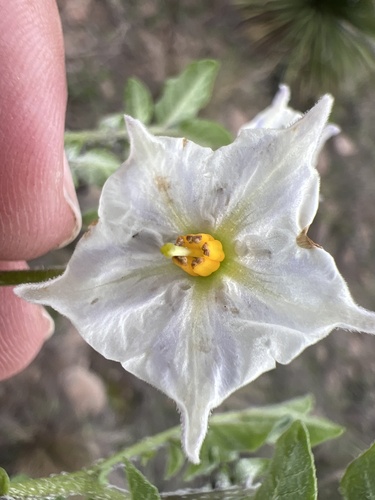
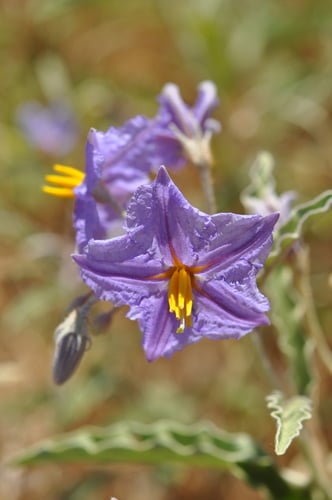
Solanum agrarium
Sendtn.
iNaturalist· cc-by-nc
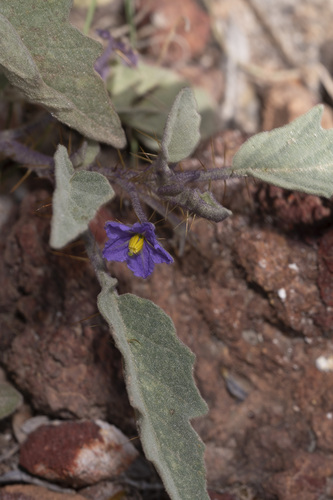
(c) Frederico Acaz Sonntag, some rights reserved (CC BY-NC), uploaded by Frederico Acaz Sonntag
iNaturalist· cc-by-sa
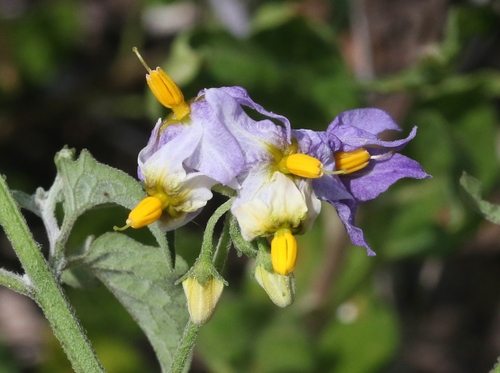
(c) Gustavo Sandres, some rights reserved (CC BY-SA)
iNaturalist· cc-by-nc
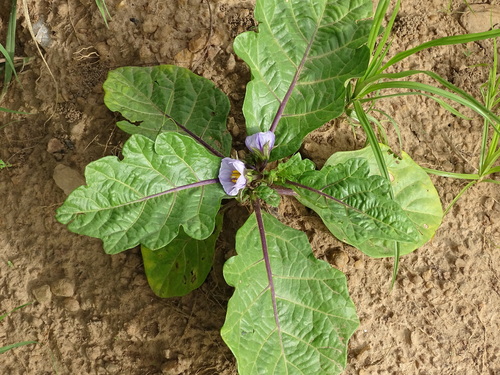
(c) guilhermedomato, some rights reserved (CC BY-NC)
Description
A herb. It lies along the ground. It is 40 cm tall and covers about 1 square metre. The flowers are green. The fruit is pulpy and juicy.
This description is brief — help expand it
Edible Uses
Fruit[46,]. The pulp is eaten. The black, globose fruits are 20 - 25mm in diameter. Reports of the fruits edibility might be in error.
Medicinal Uses
A decoction of the leaves is used in the treatment of gonorrhoea. The fruit pulp has medicinal applications.
Known Hazards
Although providing many well-known foods for people, including the potato, tomato, pepper and aubergine, most species in this genus also contain toxic alkaloids. Whilst these alkaloids can make the plant useful in treaing a range of medical conditions, they can also cause problems such as nausea, vomiting, salivation, drowsiness, abdominal pain, diarrhoea, weakness and respiratory depression. Unless there are specific entries with information on edible uses, it would be unwise to ingest any part of this plant.
Distribution
It is a tropical plant.
Where It Grows
Brazil, Colombia, Guiana, Guianas, Guyana, South America, Suriname,
Cultivation
A plant of mainly lowland tropical areas, though it can also be found at elevations up to 1,000 metres. It grows in areas with a distinct dry season. Probably prefers calcareous or clayey habitats but it is also reported on sandstone and sandy soil as well as in salty soils. Plants can flower and fruit all year round. Closely related to, and very similar to, Solanum stenandrum.
Propagation
Seed - sow in trays in a nursery. Prick out the seedlings into individual pots when they are large enough to handle and grow them on fast. Plant them out when 10cm or more tall. Cuttings of half-ripe wood. Very easy, the cuttings root within a couple of weeks.
Other Uses
An extract of the fruit is used as an ingredient in commercial cosmetic preparations as an emulsifier and surfactant.
Notes
There are about 1400 Solanum species.
Also Known As
Baba, Melancia da praia
References (5)
- Kermath, B. M., et al, 2014, Food Plants in the Americas: A survey of the domesticated, cultivated and wild plants used for Human food in North, Central and South America and the Caribbean. On line draft. p 813
- C. F. P. Martius, Fl. bras. 10:68, fig. 5, 32-33. 1846
- NYBG Herbarium "edible"
- Roa, J. A. G. & Boada, D. S. G., 2018, Fundación para el Fortalecimiento de la Fruticultura y Plantas Alimenticias no Convencionales en Colombia.
- Terra, G.J.A., 1973, Tropical Vegetables. Communication 54e Royal Tropical Institute, Amsterdam, p 76