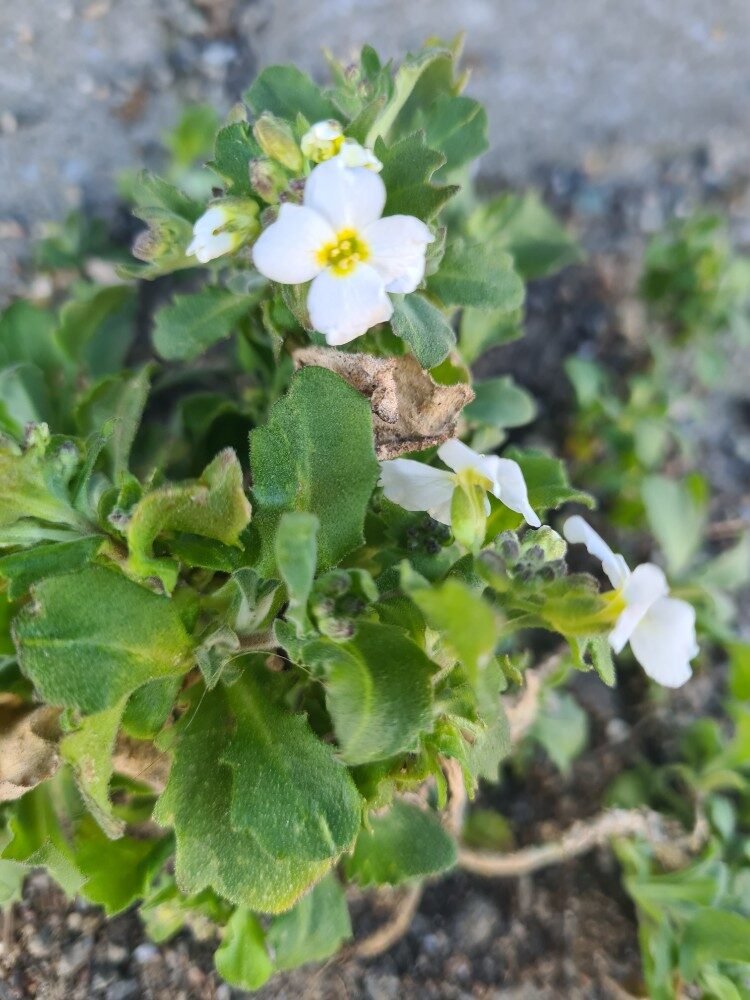
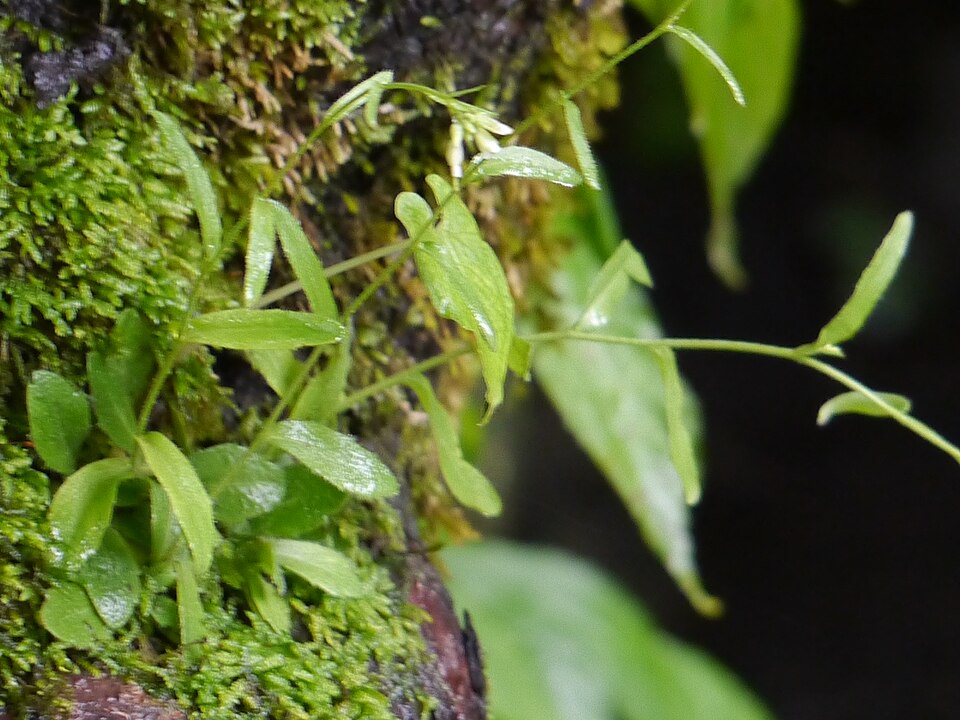
Sisymbrium nasturtium
Thunb.
wikimedia· cc-by
Wikimedia Commons - Masparasol
wikimedia· cc0
Wikimedia Commons
Description
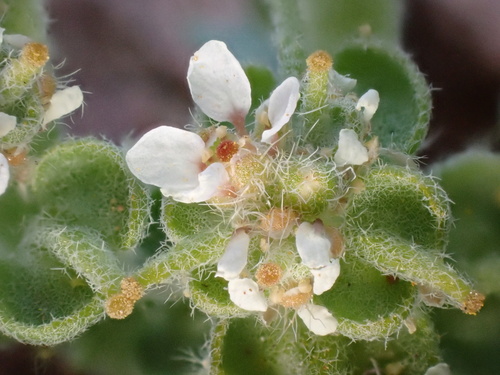
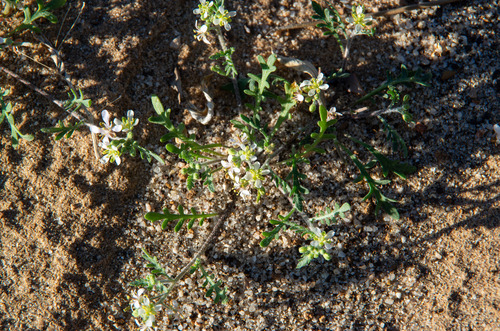
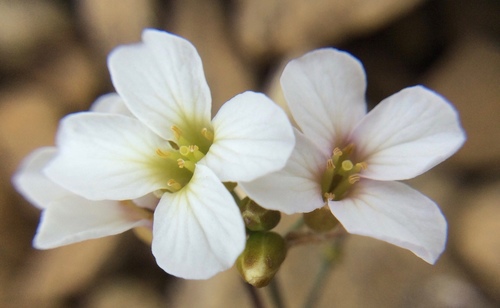
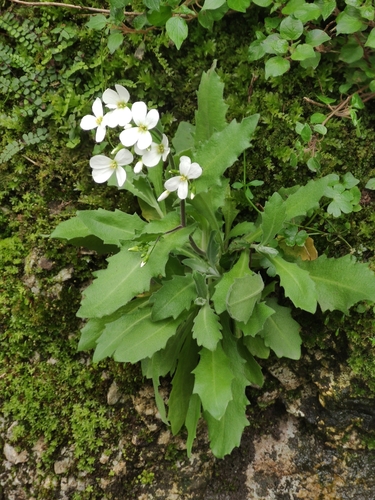
A temperate herb in the cabbage family (Brassicaceae).
This description is brief — help expand it
Edible Uses
Watercress leaves, stems, and fruit can be eaten raw. In China watercress is often boiled alongside pork and traditional medicinal ingredients to make a wintertime tonic soup. In Vietnam it is generally used raw as a component in salads. The new tips of watercress leaves can be eaten raw or cooked, although caution should be used when collecting these in the wild because of parasites such as giardia. As a cruciferous vegetable, watercress contains isothiocyanates that are partly destroyed by boiling, while the bioavailability of its carotenoids is slightly increased by cooking. Steaming or microwave cooking retains these phytochemicals somewhat better than boiling.
Distribution
It is a temperate plant.
Where It Grows
Asia, Japan, North America, USA,
Notes
There are about 80 Sisymbrium species.
References (2)
- Beckstrom-Sternberg, Stephen M., and James A. Duke. "The Foodplant Database." http://probe.nalusda.gov:8300/cgi-bin/browse/foodplantdb.(ACEDB version 4.0 - data version July 1994)
- Fl. jap. 260. 1789 - an illegitimate, superfluous name (ICBN Art. 52) as Thunberg cited Sisymbrium nasturtium-aquaticum L. as synonym