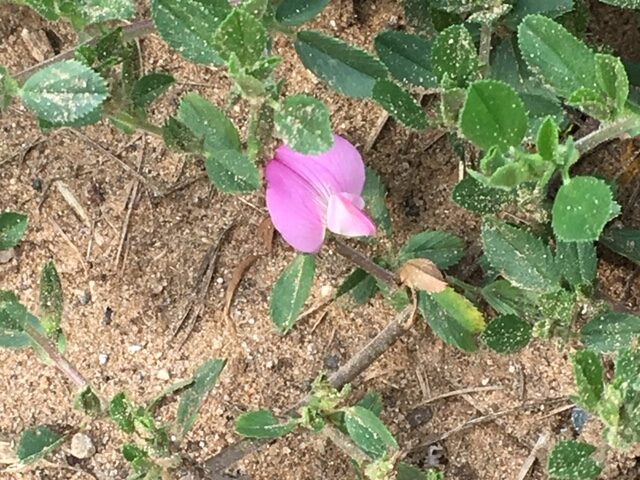
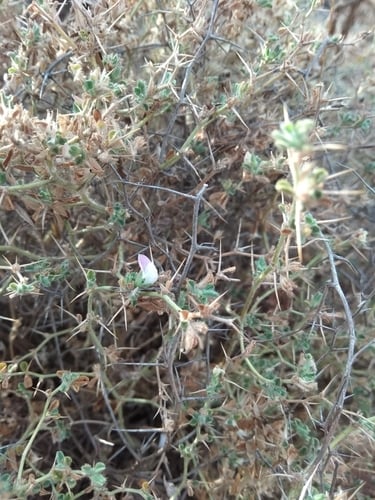
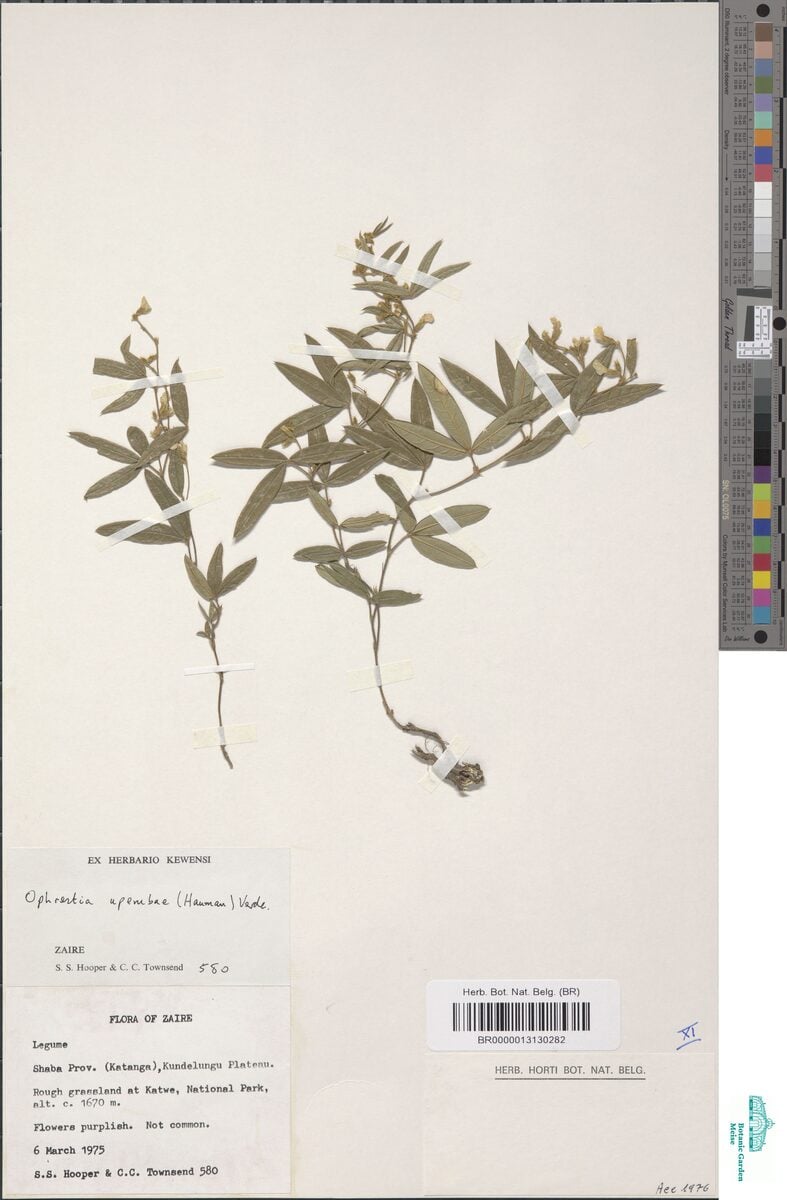
Shuteria hirsuta
Baker
Mang sang
iNaturalist· cc-by-nc
(c) Татьяна Химера, some rights reserved (CC BY-NC)
iNaturalist· cc-by-nc
(c) Татьяна Химера, some rights reserved (CC BY-NC)
iNaturalist· cc-by-nc
(c) Татьяна Химера, some rights reserved (CC BY-NC)
Description
A climbing herb. It keeps growing from year to year. It grows 3-4 m long. The stems have brown hairs. The leaflets are 15 cm long by 9 cm wide. There are up to 50 flowers in a group. The pods are 6-7 cm long by 3 mm wide. There are 12-14 seeds. The pods are slightly constricted between the seeds.
Edible Uses
The dry seeds are eaten.
Traditional Uses
The dry seeds are eaten.
This uses section is brief — help expand it
Distribution
It is a tropical plant. It grows on rocky soils. In Yunnan.
Where It Grows
Asia, Bhutan, Cambodia, China, Himalayas, India, Indochina, Laos, Myanmar, Nepal, Northeastern India, SE Asia, Sikkim, Thailand, Vietnam,
Notes
There are about 5 Shuteria species.
Synonyms
Also Known As
Cam thao nui, Cheeval, Dau ma, Sa 'thoua, Mangsang long, Tang hmeng do
References (2)
- J. D. Hooker, Fl. Brit. India 2:182. 1876
- PROSEA NO. 1