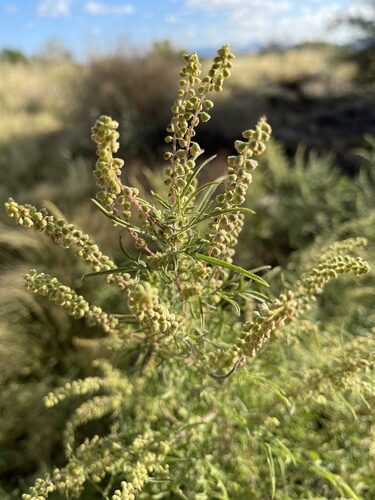
Senecio vulgaris
L.
Common groundsel
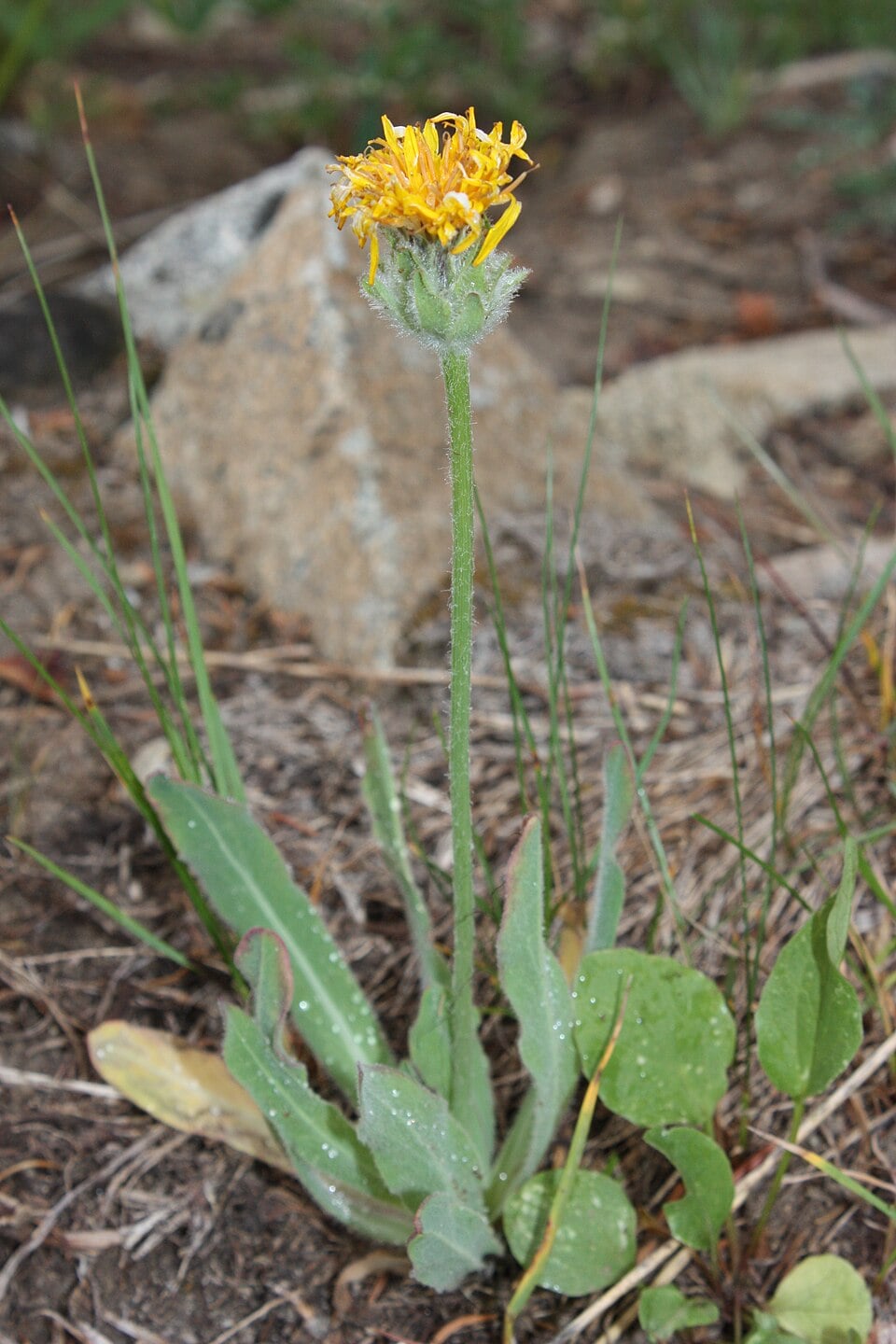
iNaturalist· cc-by-nc
(c) Inge Biller, some rights reserved (CC BY-NC), uploaded by Inge Biller
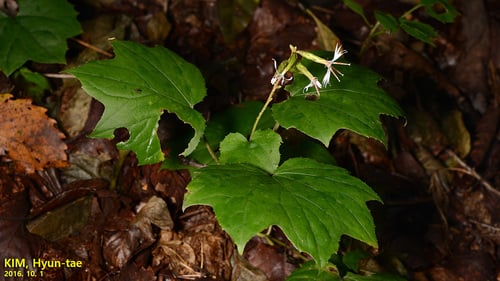
iNaturalist· cc-by-nc
(c) dongminsung, some rights reserved (CC BY-NC)
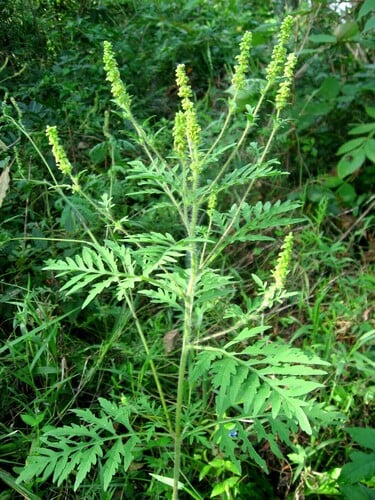
iNaturalist· cc-by-nc
(c) Andrew Simon, some rights reserved (CC BY-NC)
Summary
Source: WikipediaSenecio vulgaris, often known by the common names groundsel and old-man-in-the-spring, is a flowering plant in the family Asteraceae. It is an annual herb, native to the Palaearctic and widely naturalised as a ruderal species in suitable disturbed habitats worldwide.
Description
A herb. It is an annual plant. The plant grows to 15-40 cm high. Stems may branch in an irregular fashion. The leaves which form a ring at the base have leaf stalks. The leaves on the stems do not have stalks. They sometimes clasp the stem. They are 5-7.5 cm long. The leaves are fleshy and lobed. There are irregular teeth around the edge. The flower is at the top or in the axils of leaves near the top. The flower heads are in dense clusters. The flowers are yellow.
Edible Uses
Young leaves have been used in many areas as a salad, raw or cooked, though this is strongly inadvisable given the plant's toxicity — see known hazards.
Traditional Uses
CAUTION: It can cause diarrhoea and vomiting. The leaves are used in stews and soups. They are boiled and then cooked in oil.
This uses section is brief — help expand it
Medicinal Uses
Groundsel has a long history of herbal use and, while not an officinal plant, it remains used by herbalists. The whole herb is anthelmintic, antiscorbutic, diaphoretic, diuretic, emmenagogue, and purgative. It is often applied as a poultice and is said to ease stomach sickness; a weak infusion serves as a simple purgative. The plant can be harvested in May and dried for later use, or the fresh juice extracted as needed. Use with caution — this plant should not be used by pregnant women. A homeopathic remedy made from the plant is used to treat menstrual disorders and nosebleeds.
Known Hazards
The plant has known toxicity concerns. It should not be used by pregnant women. The leaves are very inadvisable eaten raw or cooked due to these toxicity issues.
Distribution
It grows in temperate places. In China it grows between 300-2,300 m above sea level. Tasmania Herbarium.
Where It Grows
Afghanistan, Africa, Alaska, Albania, Algeria, Argentina, Asia, Australia, Austria, Belarus, Belgium, Bolivia, Britain, Bulgaria, Canada, Canary Is., Caucasus, Chile, China, Columbia, Costa Rica, Crete, Cuba, Cyprus, Czech Republic, Denmark, Dominican Republic, Ecuador, Egypt, Eritrea, Ethiopia, Europe*, Falklands, Finland, France, Germany, Greece, Greenland, Guatemala, Haiti, Hawaii, Himalayas, Hungary, Iceland, India, Indonesia, Iran, Iraq, Ireland, Italy, Jamaica, Kazakhstan, Korea, Kyrgyzstan, Lebanon, Lesotho, Libya, Luxembourg, Manchuria, Mediterranean, Mexico, Middle East, Mongolia, Morocco, Mozambique, Netherlands, New Zealand, North America, Norway, Pacific, Pakistan, Palestine, Papua New Guinea, PNG, Paraguay, Peru, Poland, Portugal, Romania, South America, Russia, Siberia, Sicily, Sinai, Spain, Sweden, Syria, Taiwan, Tasmania, Tibet, Tunisia, Turkey, Türkiye, Ukraine, Uruguay, USA, Uzbekistan, Venezuela, West Indies, Yemen, Yugoslavia, Zimbabwe,
Cultivation
A common weed of cultivated land, it does not require cultivation. Groundsel is a good food plant for the caterpillars of many butterfly and moth species, and is one of only two species that provide food for cinnabar moth caterpillars. One report states that this plant was formerly cultivated as a food crop for livestock! Since the plant is a cumulative toxin this use is most questionable.
Propagation
Seed - this plant requires no encouragement to self-sow.
Other Uses
Groundsel is a good food plant for the caterpillars of many butterfly and moth species, and is one of only two plants that support cinnabar moth caterpillars. It is also a dynamic accumulator and attracts wildlife.
Notes
There are over 1000 Senecio species. It is used in medicine.
Synonyms
Also Known As
Gyabzhar, Hierba cana, Kanaryaotu, Mancialebbri, Nilhue chico, Senecio anual, Starcek obecny, Sutluce
References (20)
- Ambasta, S.P. (Ed.), 2000, The Useful Plants of India. CSIR India. p 567
- Blamey, M and Grey-Wilson, C., 2005, Wild flowers of the Mediterranean. A & C Black London. p 447
- Dashorst, G.R.M., and Jessop, J.P., 1998, Plants of the Adelaide Plains & Hills. Botanic Gardens of Adelaide and State Herbarium. p 140
- Dogan, Y., et al, 2004, The Use of Wild Edible Plants in Western and Central Anatolia (Turkey). Economic Botany 58(4) pp. 684-690
- Dogan, Y., 2012, Traditionally used wild edible greens in the Aegean Region of Turkey. Acta Societatis Botanicorum Poloniae 81(4): 329-342
Show all 20 references Hide references
- Ertug, F, Yenen Bitkiler. Resimli Türkiye Florası -I- Flora of Turkey - Ethnobotany supplement
- Galalaey, A. M. K., et al, 2021, Ethnobotanical study of some wild edible plants in Hujran Bason, Kurdistan Region of Iraq. ZANCO Journal of Pure and Applied Sciences. Salahaddin University-Erbil p 25
- Hussey, B.M.J., Keighery, G.J., Cousens, R.D., Dodd, J., Lloyd, S.G., 1997, Western Weeds. A guide to the weeds of Western Australia. Plant Protection Society of Western Australia. p 104
- Hyde-Wyatt, B.H. & Morris D.I., 1975, Tasmanian Weed Handbook. Dept of Ag Tasmania. p 40
- Kew Plants of the World Online
- Kizilarslan, C. & Ozhatay, N., 2012, An ethnobotanical study of the useful and edible plants of İzmit. Marmara Pharmaceutical Journal 16: 134-140, 2012.
- Lamp, C & Collet F., 1989, Field Guide to Weeds in Australia. Inkata Press. p 264
- Malezas Comestibles del Cono Sur, INTA, 2009, Buernos Aires
- Paczkowska, G. & Chapman, A.R., 2000, The Western Australian Flora. A Descriptive Catalogue. Western Australian Herbarium. p 176
- Plants for a Future database, The Field, Penpol, Lostwithiel, Cornwall, PL22 0NG, UK. http://www.scs.leeds.ac.uk/pfaf/
- Simkova, K. et al, 2014, Ethnobotanical review of wild edible plants used in the Czech Republic. Journal of Applied Botany and Food Quality 88, 49-67
- Sp. pl. 2:867. 1753 (type species)
- Tasmanian Herbarium Vascular Plants list p 12
- Upson, R., & Lewis R., 2014, Updated Vascular Plant Checklist and Atlas for the Falkland Islands. Falklands Conservation and Kew.
- Urgamal, M., Oyuntsetseg, B., Nyambayar, D. & Dulamsuren, Ch. 2014. Conspectus of the vascular plants of Mongolia. (Editors: Sanchir, Ch. & Jamsran, Ts.). Ulaanbaatar, Mongolia. “Admon“ Press. 334pp. (p. 199-230).