Hedypnois rhagadioloides
(L.) F.W. Schmidt
Hedypnois, Cretan weed
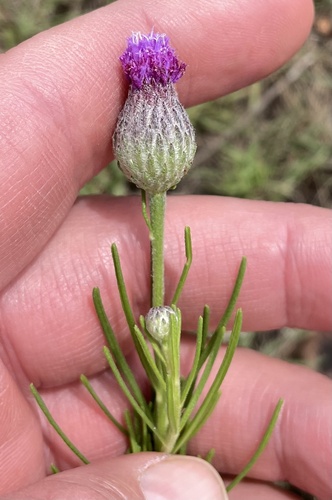
iNaturalist· cc-by-nc
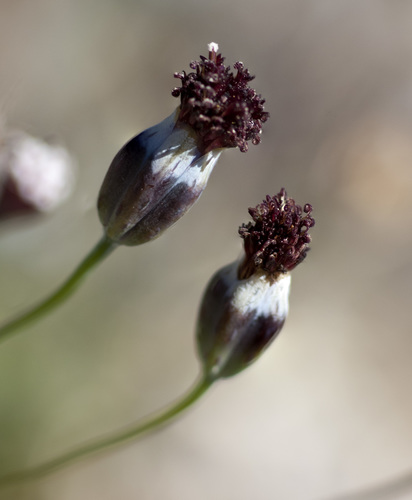
(c) Bryan, some rights reserved (CC BY-NC), uploaded by Bryan
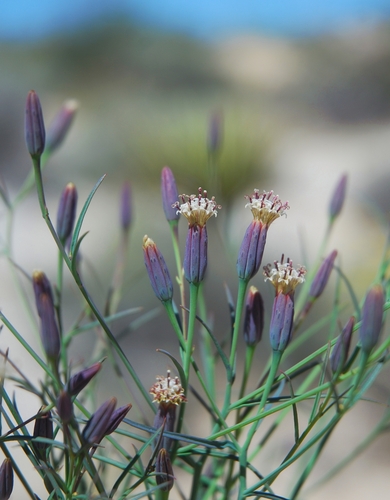
iNaturalist· cc-by-nc
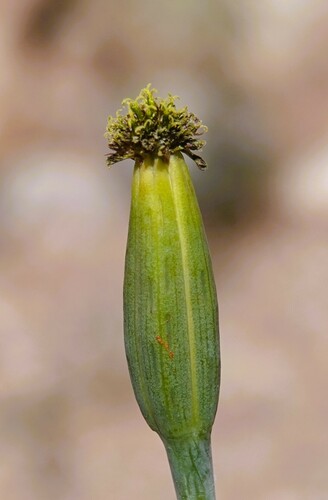
(c) Дмитрий Епихин, some rights reserved (CC BY-NC)
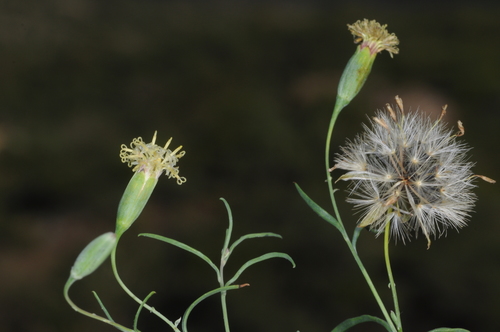
iNaturalist· cc-by-nc
(c) Дмитрий Епихин, some rights reserved (CC BY-NC)
Summary
Source: WikipediaHedypnois rhagadioloides, the Cretanweed or scaly hawkbit, is a species of plant in the tribe Cichorieae within the family Asteraceae. It is native to the Mediterranean Region and neighboring areas from Canary Islands to Iran, and naturalized in Australia and in parts of the Americas (southwestern United States, Baja California in Mexico, central Chile). Hedypnois rhagadioloides is a variably hairy/hispid annual herb with flower stalks up to 40 centimeter (16 inches) stall, most of the leaves gathered around the base resembling the common dandelion except for the bristles. Leaves are green or purplish, up to 18 centimeters (7.2 inches) long. The plant produces a flower stalk with one single flower head or a flat-topped array of several heads. The head has rows of phyllaries that may be very bristly, and the head is egg-shaped when still closed. Each head contains 8-30 yellow ray flowers but no disc flowers.
Description
A low hairy annual herb. The stems are slender. They are spreading or curve upwards. They are branched. The leaves are narrowly oval and often broadest above the middle. They may or may not have teeth or lobes. The lower leaves often have wings. The upper leaves do not have stalks. The flower heads are dull golden yellow. They are 13-16 mm across and can occur singly or as several together. They are on thickened stalks, especially just below the flower heads. The florets have rays and the flower bracts are narrow. They curve inwards in the fruit.
Edible Uses
The basal leaves are eaten raw in salads.
Traditional Uses
The leaves at the base are eaten raw in salads.
This uses section is brief — help expand it
Distribution
It grows in subtropical and warm temperate places. It grows on dry waste or cultivated land and on sand-dunes. Tasmania Herbarium.
Where It Grows
Africa, America, Australia, Europe, France, Greece, Italy, Libya, Mediterranean, North Africa, North America, Portugal, Sicily, Spain, Tasmania, Turkey, Türkiye,
Synonyms
Also Known As
Erva crachiola, Herba blanca, Mariula
References (10)
- Biscotti, N. et al, 2018, The traditional food use of wild vegetables in Apulia (Italy) in the light of Italian ethnobotanical literature. Italian Botanist 5:1-24
- Blamey, M and Grey-Wilson, C., 2005, Wild flowers of the Mediterranean. A & C Black London. p 461
- Geraci, A., et al, 2018, The wild taxa utilized as vegetables in Sicily (Italy): a traditional component of the Mediterranean diet. Journal of Ethnobiology and Ethnomedicine (2018) 14:14
- Jardin, C., 1970, List of Foods Used In Africa, FAO Nutrition Information Document Series No 2.p 79 (As Hedypnois polymorpha)
- Martin, F.W. & Ruberte, R.M., 1979, Edible Leaves of the Tropics. Antillian College Press, Mayaguez, Puerto Rico. p 185 (As Hedypnois polymorpha)
Show all 10 references Hide references
- Nebel, S., Pieroni, A. & Heinrich, M., 2006, Ta cho`rta: Wild edible greens used in the Graecanic area in Calabria, Southern Italy. Appetite 47 (2006) 333–342 (As Hedypnois cretica - diferent authority)
- Paczkowska, G. & Chapman, A.R., 2000, The Western Australian Flora. A Descriptive Catalogue. Western Australian Herbarium. p 164
- Pasta, S., et al, 2020, An Updated Checklist of the Sicilian Native Edible Plants: Preserving the Traditional Ecological Knowledge of Century-Old Agro-Pastoral Landscapes. Frontiers in Plant Science. Volume 11|Article 388
- Tasmanian Herbarium Vascular Plants list p 6
- Tardio, J., et al, Ethnobotanical review of wild edible plants in Spain. Botanical J. Linnean Soc. 152 (2006), 27-71 (As Hedypnois cretica)