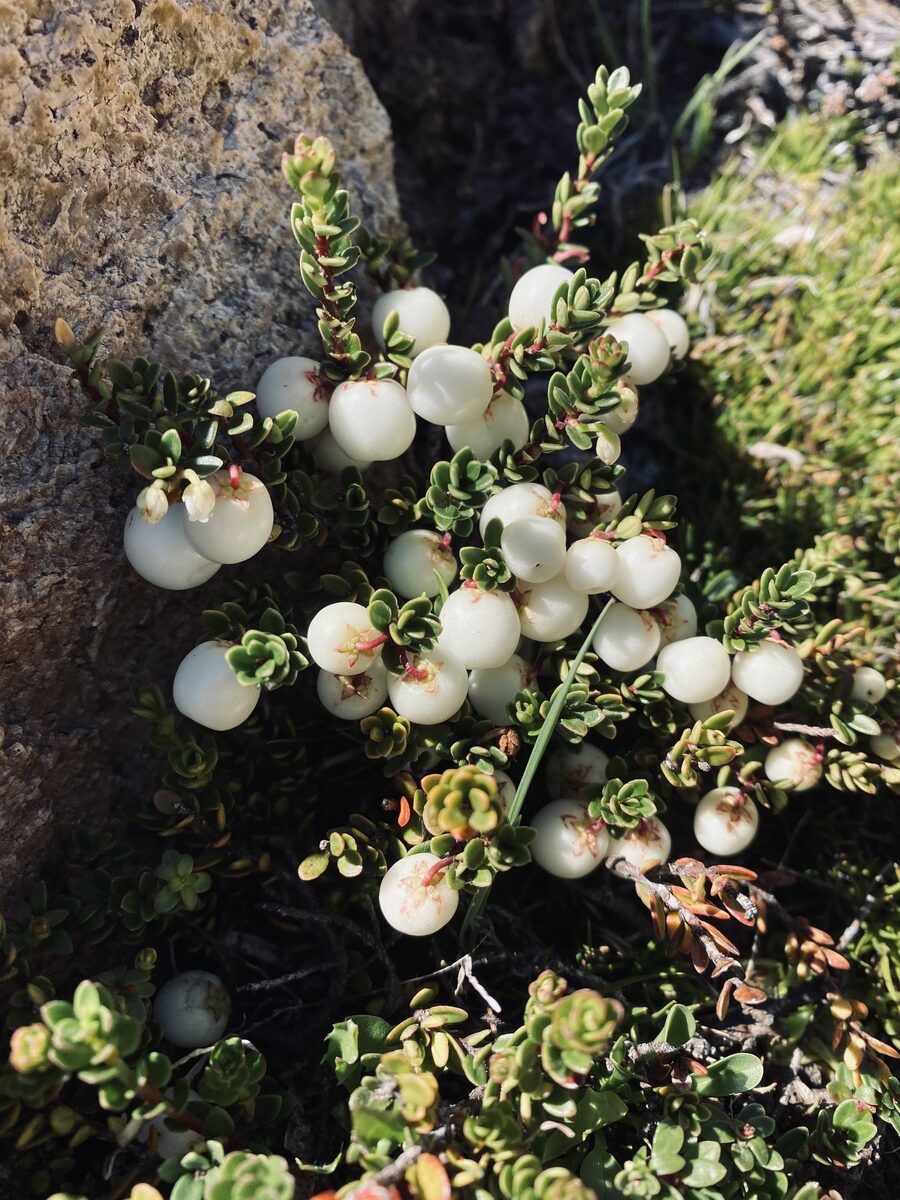
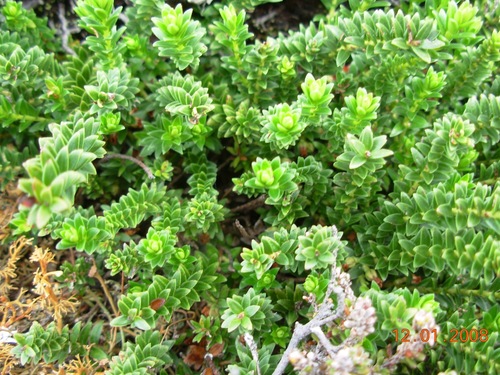
Arctostaphylos patula
Greene
Greenleaf manzanita
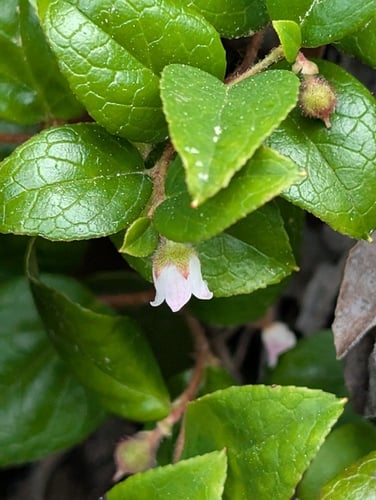
iNaturalist· cc-by-nc
(c) Morgan Stickrod, some rights reserved (CC BY-NC), uploaded by Morgan Stickrod
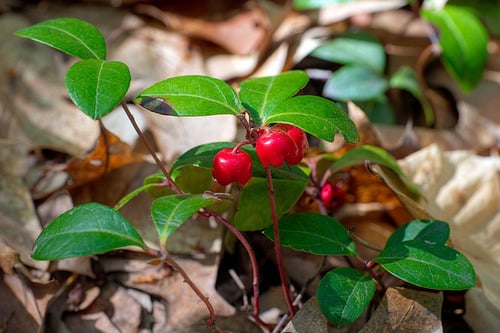
iNaturalist· cc-by-nc-sa
(c) 2009 Keir Morse, some rights reserved (CC BY-NC-SA)
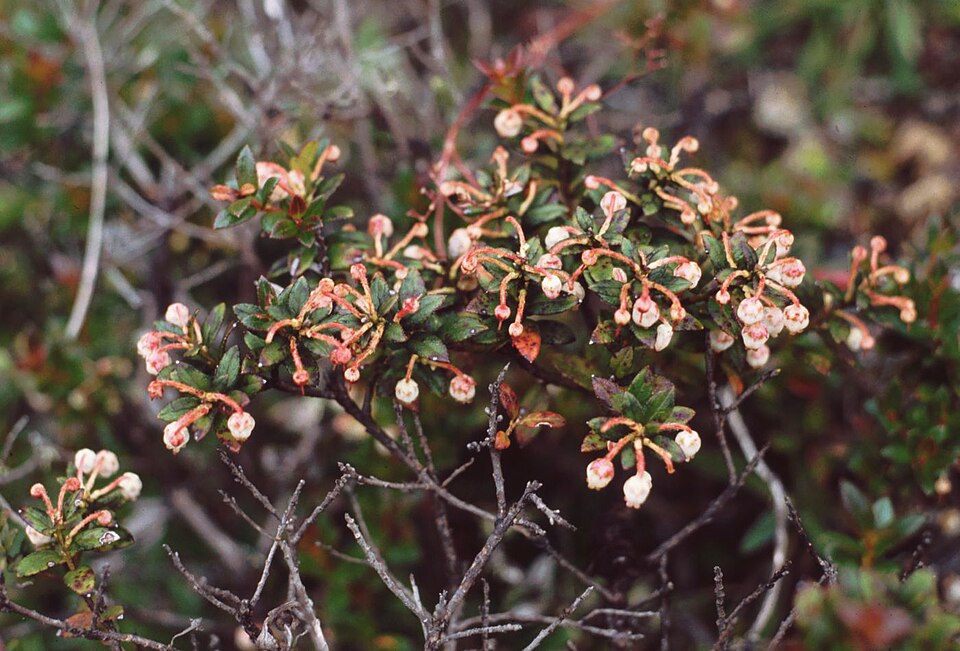
iNaturalist· cc-by-nc
(c) Todd Ramsden, some rights reserved (CC BY-NC), uploaded by Todd Ramsden
Summary
Source: WikipediaArctostaphylos patula is a species of manzanita known by the common name greenleaf manzanita. This manzanita is native to western North America where it grows at moderate to high elevations.
Description
A spreading shrub. It grows 1.8 m tall. The bark is smooth and red-brown. The leaves are 35 mm long and oblong and green. The flowers are pink or white and in panicles. The fruit are dark brown to black. They are 1 cm across.
Edible Uses
Edible Parts: Fruit Seed Edible Uses: Fruits are edible but often disappointing. They are usually reddish-brown drupes with thin, sweet but astringent pulp around very hard nutlets (4–8 per fruit). The fruits can be eaten fresh, dried, or ground into meal, but overly astringent ones are best avoided. Unripe fruits resemble small apples and are tart or bland. Flowers are edible but bitter-sweet and better steeped into tea than eaten raw [2-3]. Fruits can be dried and ground into flour for porridges or drinks. They were used by Native peoples in fermented cider-like beverages.Fruit - raw or cooked. The fully ripe fruit is pleasantly acid with a flavour resembling green apples. It can be dried, ground into a powder then used in making cakes etc. The fruit can also be used for making jelly and cider. The fruit is about 8 - 10mm in diameter. Seed - ground into a powder and added to soups etc. The seed is very small and would be difficult to separate from the fruit. It would be easier to dry the whole fruit, grind this into a powder and use it in soups etc.
Traditional Uses
The ripe fruit are acid and eaten. They are used for jelly or cider. They taste like green apples.
This uses section is brief — help expand it
Medicinal Uses
Astringent Poultice VD The leaves are astringent. They have been used in the treatment of VD. They are also used as a poultice on burns, cuts etc.
Distribution
It is a Mediterranean climate plant. It grows naturally in California in the USA. It can tolerate temperatures down to -10°C. It suits hardiness zones 8-10.
Where It Grows
Australia, North America, Tasmania, USA,
Cultivation
Habitat & Growing Conditions: Found in mountain woodlands with oak, pine, aspen, and spruce communities across the western U.S. Prefers dry, rocky soils and full sun to light shade. Blooms from March to July, fruits mature June–October. Requires a deep moist well-drained light or medium lime-free loam in sun or semi-shade but plants produce less fruit when they are grown in the shade. Prefers a soil that is dry in the summer. Plants are not very wind-firm. Plants are hardy to about -10°c. This species was growing well at Chelsea Physic garden after the harsh winter of 1985/86, showing no signs of damage. Highly fire resistant, it can regenerate after a forest fire from a mallee-like base. Plants self-layer in nature. A very ornamental plant, it grows well in Britain. Plants resent root disturbance and should be placed in their final positions as soon as possible. Growth & Ecology: Evergreen shrub, 0.5–2.5 m tall, with sticky hairs on twigs and smooth reddish bark. Populations are reliable fruit bearers even in drought years.
Propagation
Seed - best sown in a greenhouse as soon as it is ripe. Pre-soak dried seed in boiling water for 10 - 20 seconds or burn some straw on top of them and then stratify at 2 - 5°c for 2 months. The seed usually germinates in 2 - 3 months at 15°c. When large enough to handle, prick the seedlings out into individual pots and grow them on in a cold frame or greenhouse for at least their first winter. Plant out in late spring or early summer. Cuttings of side shoots of the current season's growth, 5 - 8cm with a heel, August to December in a frame. The cuttings are very slow and can take a year to root. This species is very difficult from cuttings. Division in early spring. Take care because the plant resents root disturbance. Pot the divisions up and keep them in a lightly shaded position in a cold frame or greenhouse until they are growing away actively. Layering in spring.
Other Uses
Dye A yellowish-brown dye is obtained from the leaves, it does not require a mordant. Special Uses
Notes
There are about 50 Arctostaphylos species.
Also Known As
Greenleaf or Roundleaf Manzanita (Arctostaphylos patula Greene)
References (11)
- Beckstrom-Sternberg, Stephen M., and James A. Duke. "The Foodplant Database." http://probe.nalusda.gov:8300/cgi-bin/browse/foodplantdb.(ACEDB version 4.0 - data version July 1994)
- Bircher, A. G. & Bircher, W. H., 2000, Encyclopedia of Fruit Trees and Edible Flowering Plants in Egypt and the Subtropics. AUC Press. p 39
- Etherington, K., & Imwold, D., (Eds), 2001, Botanica's Trees & Shrubs. The illustrated A-Z of over 8500 trees and shrubs. Random House, Australia. p 102
- Facciola, S., 1998, Cornucopia 2: a Source Book of Edible Plants. Kampong Publications, p 95
- Glowinski, L., 1999, The Complete Book of Fruit Growing in Australia. Lothian. p 181
Show all 11 references Hide references
- Hibbert, M., 2002, The Aussie Plant Finder 2002, Florilegium. p 31
- Lyle, S., 2006, Discovering fruit and nuts. Land Links. p 77
- Pittonia 2:171. 1891
- Plants for a Future database, The Field, Penpol, Lostwithiel, Cornwall, PL22 0NG, UK. http://www.scs.leeds.ac.uk/pfaf/
- Tozer, F., 2007, The Uses of Wild Plants. Green Man Publishing. p 34
- Turner, N., et al, 2011, "Up on the Mountain": Ethnobotanical Important of Montane Sites in Pacific Coastal North America. Journal of Ethnobiology 31(1): 4-43