Rhododendron campanulatum
D. Don
Hardul
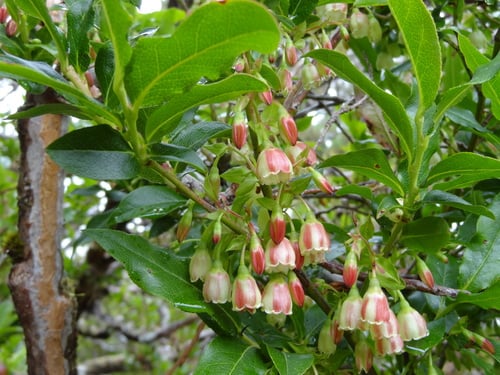
iNaturalist· cc-by-nc
(c) Phuntsho Wangdi, some rights reserved (CC BY-NC)
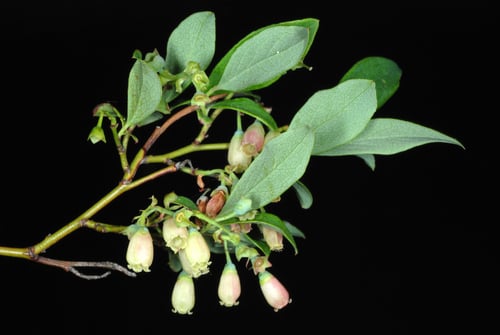
iNaturalist· cc-by-nc
(c) Manav, some rights reserved (CC BY-NC)
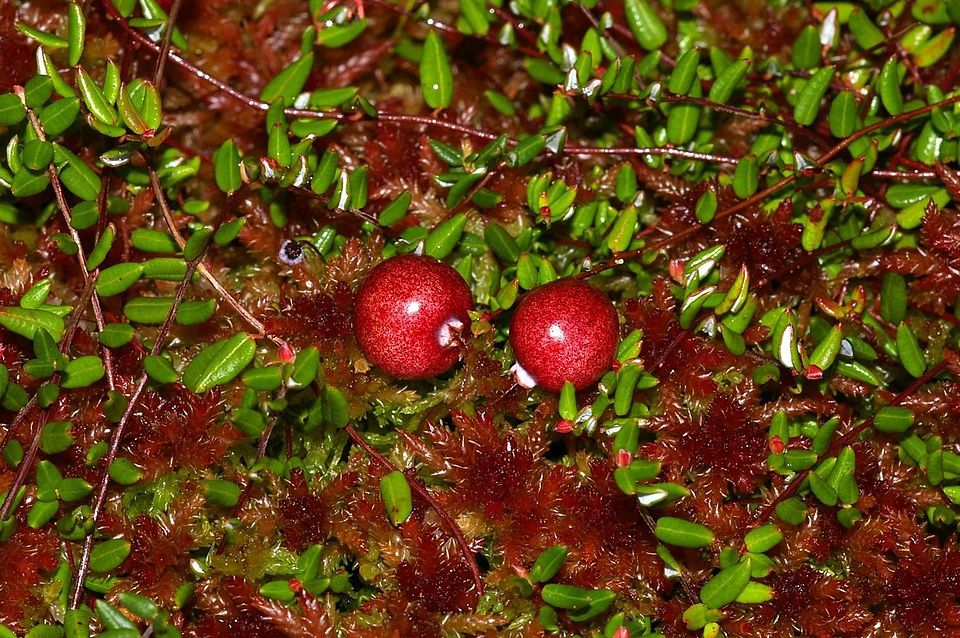
iNaturalist· cc-by-nc
(c) Natalya Andreyenkova, some rights reserved (CC BY-NC)
Summary
Source: WikipediaRhododendron campanulatum, the bell-flowered rhododendron or bell rhododendron, is a species of flowering plant in the family Ericaceae, native to northeastern India, eastern Nepal, Bhutan, Sikkim, and southern Tibet in China.
Description
An evergreen shrub. It grows 2.5 m high. The leaves are 5-10 cm long and 2.5-5 cm wide. They are oval and rough. There is a brown covering underneath. The flowers are in loose clusters at the ends of branches. They can be white, pale red or purple.
Edible Uses
None known
Traditional Uses
The flowers are edible and used to make drinks.
This uses section is brief — help expand it
Medicinal Uses
The leaves are mixed with tobacco and used as a snuff to treat colds and one-sided headaches. Leaf juice is also used in the treatment of chronic rheumatism, sciatica and syphilis. The dried twigs and wood are used in the treatment of phthisis and chronic fevers.
Known Hazards
The leaves are considered to be poisonous. The flowers of many species can cause intoxication in large quantities.
Distribution
A temperate plant. In Tibet it grows between 3,100-4,300 m above sea level. In Rhodo gardens.
Where It Grows
Asia, Australia, Bhutan, China, Himalayas*, India, Myanmar, Nepal, Northeastern India, NW India, Pakistan, SE Asia, Sikkim, Tasmania, Tibet,
Cultivation
Succeeds in most humus rich lime free soils except those of a dry arid nature or heavy or clayey. Prefers a peaty or well-drained sandy loam. Succeeds in sun or shade, the warmer the climate the more shade a plant requires. Requires a pH between 4.5 and 5.5. Succeeds in a woodland though, because of its surface-rooting habit, it does not compete well with surface-rooting trees. Plants need to be kept well weeded, they dislike other plants growing over or into their root system, in particular they grow badly with ground cover plants, herbaceous plants and heathers. There are many named varieties selected for their ornamental value. Plants form a root ball and are very tolerant of being transplanted, even when quite large, so long as the root ball is kept intact. Plants in this genus are notably susceptible to honey fungus.
Propagation
Sow seed in a greenhouse as soon as it is ripe in autumn, providing artificial light. Alternatively, sow in a lightly shaded part of a warm greenhouse in late winter, or in a cold greenhouse in April. Surface-sow and keep the compost consistently moist. Pot up seedlings once large enough to handle and grow on under glass for at least the first winter. Layering in late July takes 15–24 months. Cuttings of half-ripe wood taken in August and rooted in a frame are difficult.
Other Uses
The plant yields an excellent fuel wood.
Also Known As
Chimal, Kalma, Khama, Nilo chimal, Sarangad, Seti chimal, Syapu
References (4)
- Dutt, B., et al, 2011, Ethnobotanical Survey of Plants used by Gaddi Tribe of Bharmour Area in Himachal Pradesh. ENVIS Bulletin: Himalayan Ecology 19, 2011
- Flora of Pakistan. www.eFloras.org
- Rashid, A., Anand, V.K. & Serwar, J., 2008, Less Known Wild Plants Used by the Gujjar Tribe of District Rajouri, Jammu and Kashmir State. International Journal of Botany 4(2):219-244
- Uprety, Y., et al, 2016, Traditional use and management of NTFPs in Kangchenjunga Landscape: implications for conservation and livelihoods. Journal of Ethnobiology and Ethnomedicine (2016) 12:19