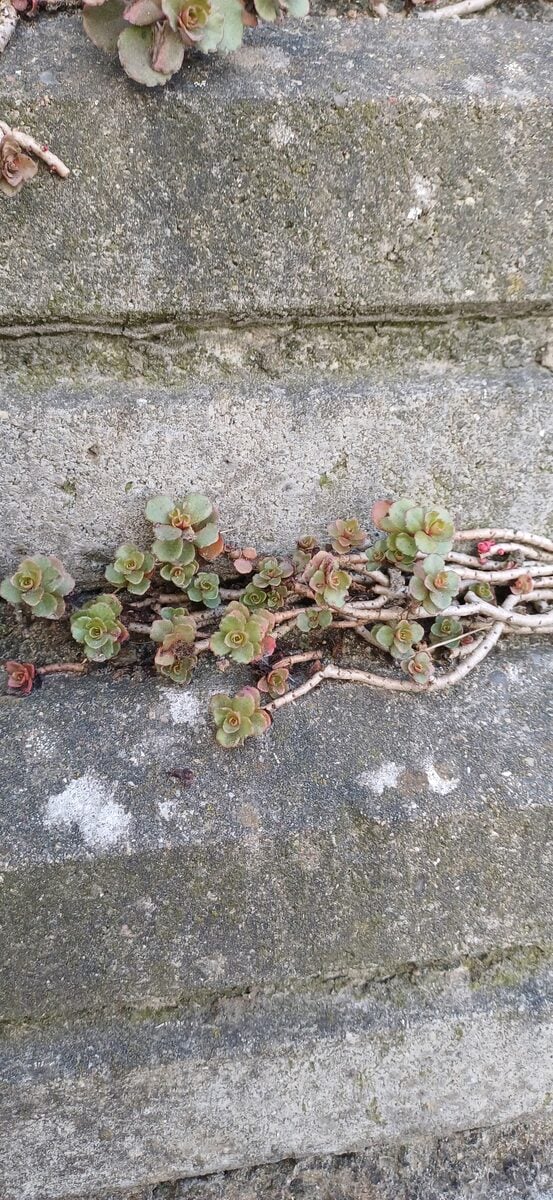
Sedum oreganum
Nutt.
Kings Crown, Oregon Stonecrop
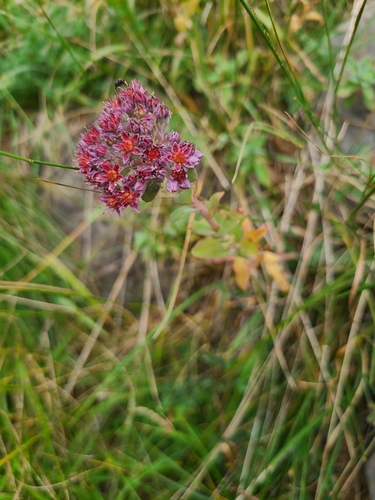
iNaturalist· cc-by-nc
(c) Devon Bradley, some rights reserved (CC BY-NC), uploaded by Devon Bradley
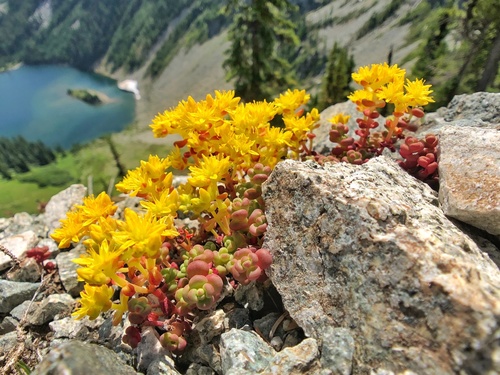
iNaturalist· cc-by-nc
(c) Gabriel Silva Collins, some rights reserved (CC BY-NC), uploaded by Gabriel Silva Collins
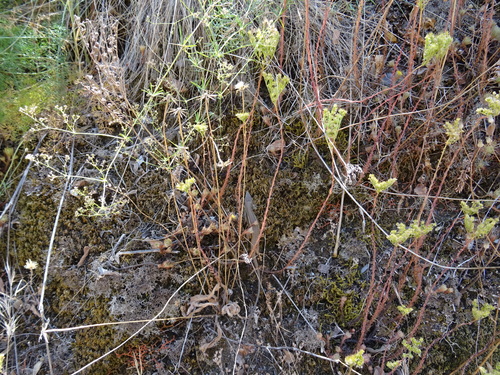
iNaturalist· cc-by-nc
(c) Hope C Stanton, some rights reserved (CC BY-NC), uploaded by Hope C Stanton
Summary
Source: WikipediaSedum oreganum is a species of succulent plant of the genus Sedum. It grows along the Pacific Coast of North America from Alaska to far northern California. The plant, known by the common name Oregon stonecrop, grows in many types of rocky habitat, including coastal bluffs and cliffs and the talus of higher inland mountains.
Description
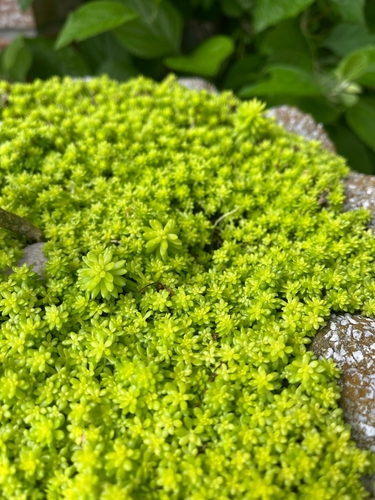
A small succulent plant. It grows 15 cm high and spreads 30-40 cm wide. It keeps growing from year to year. The leaves are fleshy and club shaped and 18 mm long. They develop a red tint. The flowers are small and yellow and occur singly or in flat heads.
Edible Uses
The leaves and young shoots can be eaten raw or cooked.
Medicinal Uses
None known.
Known Hazards
Although not poisonous, if large quantities of this plant are eaten it can cause a stomach upset.
Distribution
It is a temperate plant. It suits hardiness zones 6-10.
Where It Grows
Australia, Canada, North America, USA,
Cultivation
Succeeds in most soils but prefers a fertile well-drained soil in a sunny position. Established plants are drought tolerant. Can be grown on a wall. All members of this genus are said to have edible leaves, though those species, such as this one, that have yellow flowers can cause stomach upsets if they are eaten in quantity. Plants in this genus seem to be immune to the predations of rabbits.
Propagation
Surface sow seed in spring in well-drained soil in a sunny greenhouse position, keeping the soil consistently moist. Prick seedlings into individual pots when large enough to handle. Plant out during summer if sufficient growth has been made, otherwise overwinter in a cold frame or greenhouse and plant out the following early summer. Division is straightforward at almost any point during the growing season, though spring or early summer is preferred. Larger divisions can go directly into permanent positions; smaller ones are best potted up and grown on in a lightly shaded cold frame until well established, then planted out in summer.
Other Uses
Plants make an effective ground cover when spaced approximately 25cm apart each way.
Notes
There are about 400 Sedum species.
Synonyms
References (2)
- Cundall, P., (ed.), 2004, Gardening Australia: flora: the gardener's bible. ABC Books. p 1330
- Plants for a Future database, The Field, Penpol, Lostwithiel, Cornwall, PL22 0NG, UK. http://www.scs.leeds.ac.uk/pfaf/