Sedum makinoi
Maxim.
Stonecrop
iNaturalist· cc-by-nc
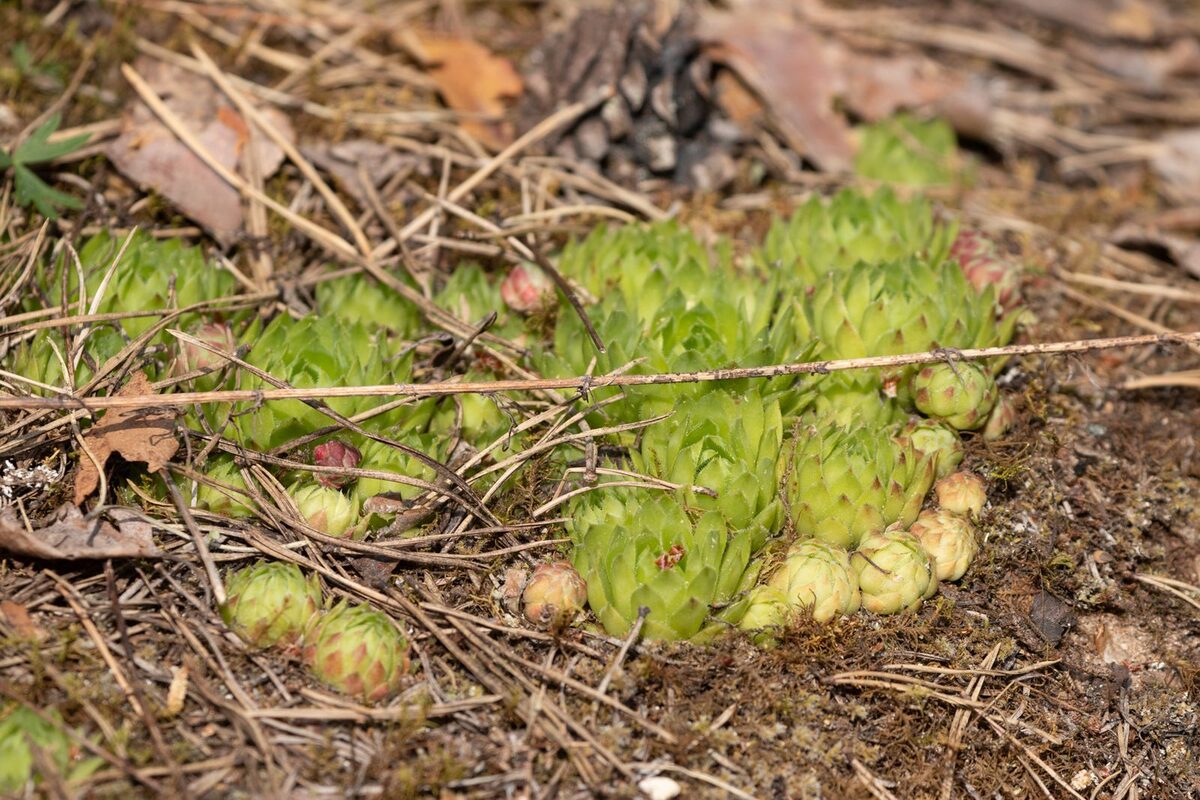
(c) Phillip Harpootlian, some rights reserved (CC BY-NC), uploaded by Phillip Harpootlian
iNaturalist· cc-by-nc
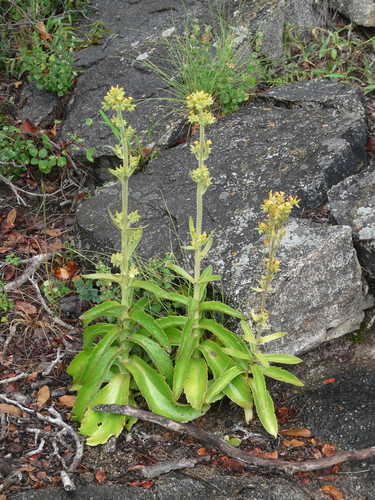
(c) sandylam, some rights reserved (CC BY-NC)
iNaturalist· cc-by-nc-sa
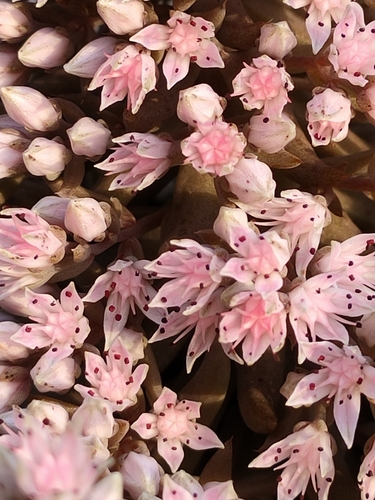
(c) Natalie Tapson, some rights reserved (CC BY-NC-SA)
Summary
Source: WikipediaEvergreen perennial reaching 20 cm tall by 30 cm wide at medium growth rate. Year-round foliage, flowering July to August, seeds mature August to September. Hermaphroditic, self-fertile, insect-pollinated. Hardy to UK zone 7. Adapts to light sandy, medium loamy, and heavy clay soils with good drainage preference. Tolerates mildly acidic to mildly alkaline pH. Full sun essential; no shade tolerance. Adjusts to dry or moist soils with strong drought tolerance.
Description
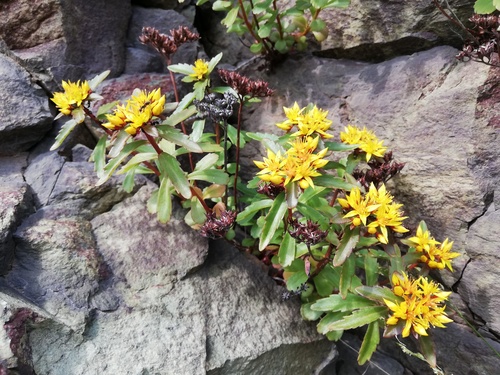
A herb. It keeps growing from year to year. The stems at the base lie along the ground and form roots at the nodes. At the end they grow upwards 15-25 cm tall. The leaves are opposite and are oval or spoon shaped and 2 cm long by 6-8 mm wide. They taper at the base and have short spur at the tip. The flowers are yellow.
Edible Uses
The leaves can be eaten raw or cooked. Nutritional analysis per 100g dry weight: 361 calories, 0% water, 13.1g protein, 16.4g fat, 55.7g carbohydrate, 29.5g fibre, 14.8g ash. Minerals: calcium 3820mg, phosphorus 885mg, iron 41mg. Vitamins: A 574mg, thiamine (B1) 2.46mg, riboflavin (B2) 1.97mg, C 492mg.
Medicinal Uses
The plant is antiphlogistic, depurative, febrifuge, and haemostatic. The fresh plant is crushed and applied externally as a poultice to cuts, burns, boils, gunshot wounds, and traumatic injuries.
Distribution
It is a subtropical plant. It grows in shady, moist places in low mountains in central east China.
Where It Grows
Asia, China, Japan, Korea,
Cultivation
Succeeds in most soils but prefers a fertile well-drained soil in a sunny position. Established plants are drought tolerant. Can be grown on a wall. All members of this genus are said to have edible leaves, though those species that have yellow flowers can cause stomach upsets if they are eaten in quantity. Plants in this genus seem to be immune to the predations of rabbits.
Propagation
Surface sow seed in spring in well-drained soil in a sunny greenhouse position, keeping the soil consistently moist. Prick seedlings into individual pots when large enough to handle. Plant out during summer if sufficient growth has been made, otherwise overwinter in a cold frame or greenhouse and plant out the following early summer. Division is straightforward at almost any point during the growing season, though spring or early summer is preferred. Larger divisions can go directly into permanent positions; smaller ones are best potted up and grown on in a lightly shaded cold frame until well established, then planted out in summer.
Other Uses
None known.
Notes
There are about 400 Sedum species.
Nutrition
| Part | Moisture | kJ | kcal | Protein | Vit A | Vit C | Iron | Zinc |
|---|---|---|---|---|---|---|---|---|
| Leaves | 93.9 | 92 | 22 | 0.8 | — | — | 2.5 | — |
References (2)
- Flora of China @ efloras.org Volume 8
- Plants for a Future database, The Field, Penpol, Lostwithiel, Cornwall, PL22 0NG, UK. http://www.scs.leeds.ac.uk/pfaf/