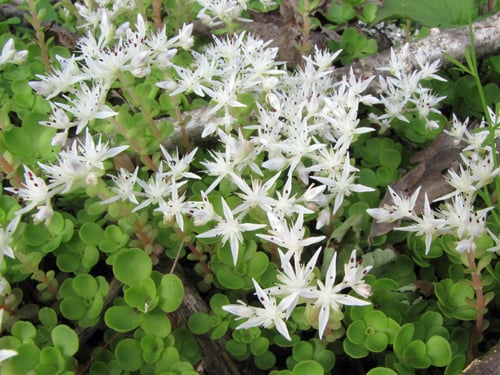
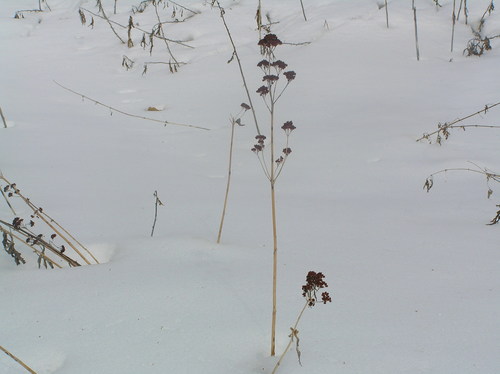
Sempervivum caucasicum
Rupr.
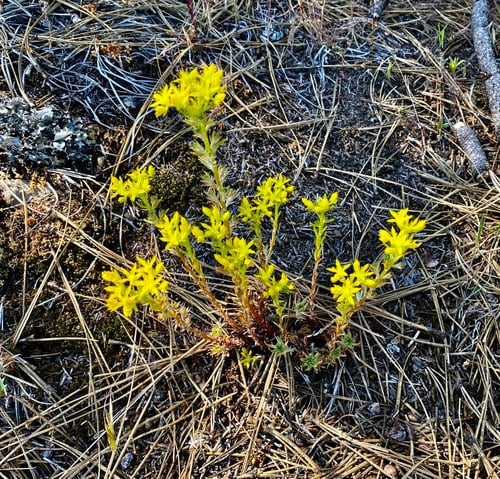
iNaturalist· cc-by-nc
(c) Вадим Пермин, some rights reserved (CC BY-NC), uploaded by Вадим Пермин
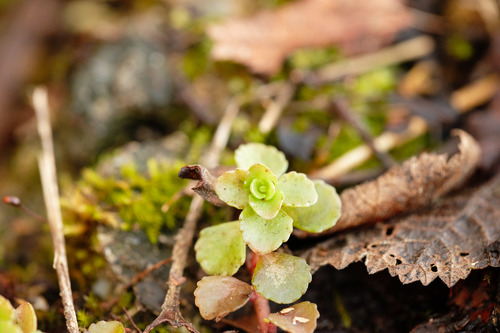
iNaturalist· cc-by-nc
(c) Svetlana Nesterova, some rights reserved (CC BY-NC)
Summary
Source: WikipediaSempervivum caucasicum is a compact evergreen perennial growing to 0.2 m tall, hardy to UK zone 6. Flowers appear July to August with seeds ripening August to September. The hermaphroditic plant is insect-pollinated. It prefers light sandy and medium loamy, well-drained soils with mildly acid, neutral, or basic pH. It requires full sun and tolerates both dry and moist conditions, handling drought well.
Description
Sempervivum caucasicum is a compact evergreen perennial growing to 0.2 m tall, hardy to UK zone 6. Flowers appear July to August with seeds ripening August to September. The hermaphroditic plant is insect-pollinated. It prefers light sandy and medium loamy, well-drained soils with mildly acid, neutral, or basic pH. It requires full sun and tolerates both dry and moist conditions, handling drought well.
Edible Uses
Leaves are edible raw.
Traditional Uses
The leaves are eaten as a snack.
This uses section is brief — help expand it
Medicinal Uses
None known.
Distribution
It is a temperate plant.
Where It Grows
Armenia, Australia, Caucasus, Georgia,
Cultivation
Prefers a well-drained gritty soil in full sun. Succeeds in any sandy soil, doing well in very little soil in rock crevices, walls, paths etc so long as there is sufficient humus. Established plants are drought tolerant. Dislikes winter wet. Hardy to about -15°c. Individual rosettes die after flowering, but produce a number of offsets that continue to grow. This species is closely related to S. tectorum.
Propagation
Seed - surface sow in early spring in a cold frame. Germination typically occurs in 2–6 weeks at 10°C. Prick out seedlings into individual pots when large enough to handle and grow on in the greenhouse through their first winter. Plant out in summer if sufficient growth has been made, or grow on for a further year before planting out. Divide offsets in spring or early summer — larger divisions can go straight into permanent positions, while smaller ones are best potted up and grown on in a lightly shaded cold frame until well established. Plants can also be divided in September, but these divisions should be overwintered in a greenhouse. Propagation by stem cuttings is also possible.
Other Uses
None known.
Notes
There are about 40 Sempervivum species. They grow in the mountains of Europe and Russia.
Also Known As
Lavash, Pkhija
References (6)
- Bussman, R. W., et al, 2016, A comparative ethnobotany of Khevsureti, Samtskhe-Javakheti, Tusheti, Svaneti, and Racha-Lechkhumi, Republic of Georgia (Sakartvelo), Caucasus. Journal of Ethnobiology and Ethnomedicine (2016) 12:4
- Bussman, R. W. et al, 2017, Ethnobotany of Samtskhe-Javakheti, Sakartvelo (Republic of Georgia), Caucasus. Indian Journal of Traditional Knowledge Vol. 16(1) pp 7-24
- Bussman, R. W., et al, 2021, Unity in diversity—food plants and fungi of Sakartvelo (Republic of Georgia), Caucasus. Journal of Ethnobiology and Ethnomedicine (2021) 17:72 p 8
- Pieroni, A., et al, 2020, Wild food plants traditionally gathered in central Armenia: archaic ingredients or future sustainable foods? Environment, Development and Sustainability. Springer p 11
- Plants for a Future database, The Field, Penpol, Lostwithiel, Cornwall, PL22 0NG, UK. http://www.scs.leeds.ac.uk/pfaf/
Show all 6 references Hide references
- Ryan, S., 2008, Dicksonia. Rare Plants Manual. Hyland House. p 112