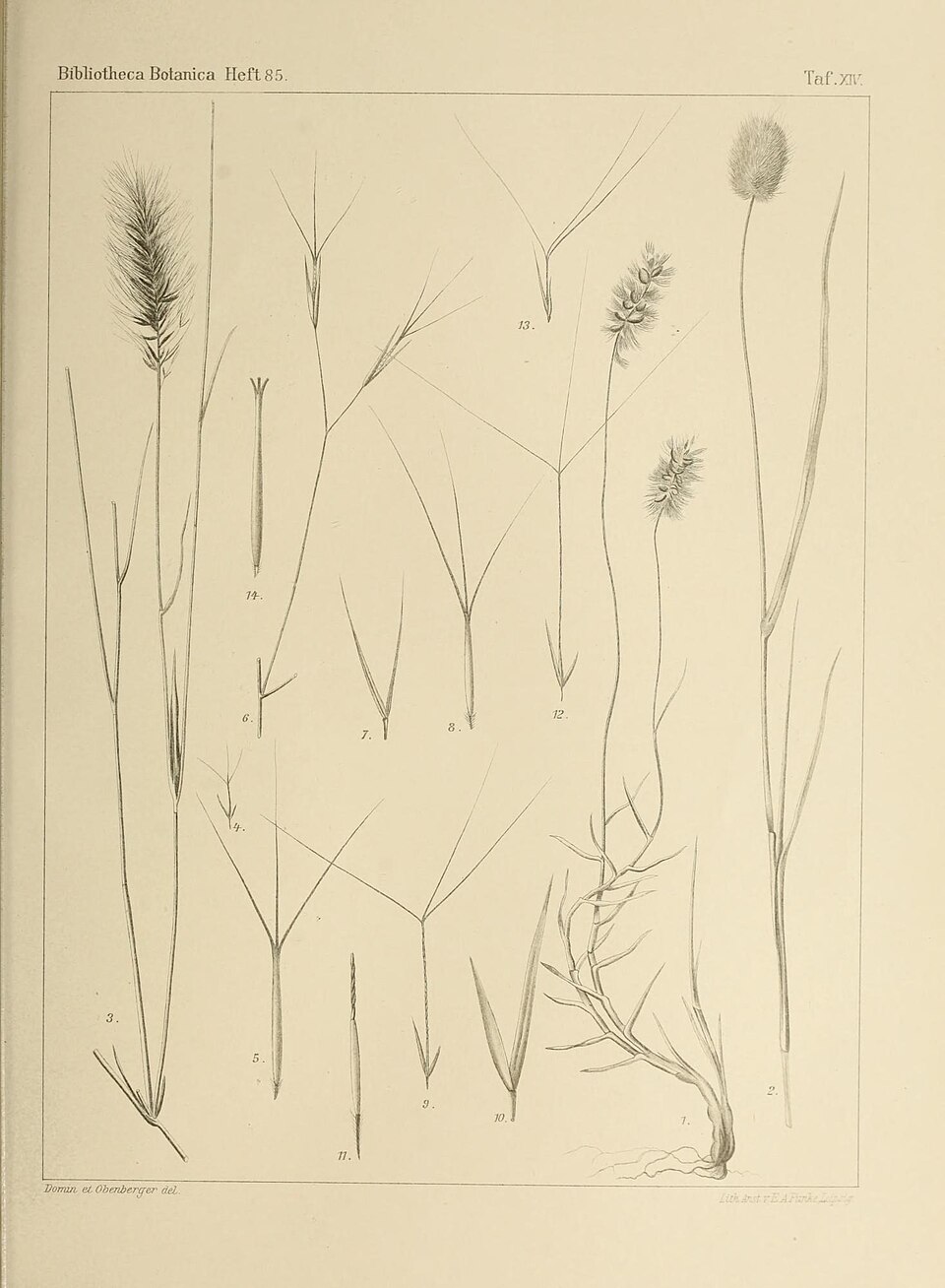
Secale sylvestre
Host
iNaturalist· cc-by-nc
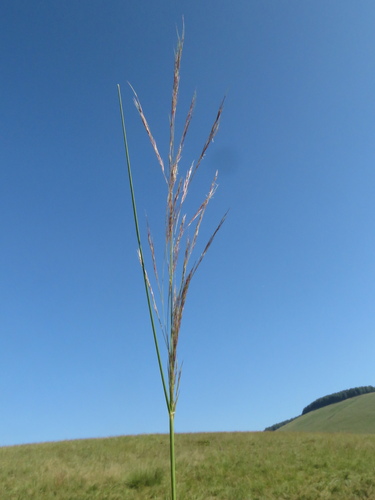
(c) Sergey Mayorov, some rights reserved (CC BY-NC), uploaded by Sergey Mayorov
iNaturalist· cc-by-nc
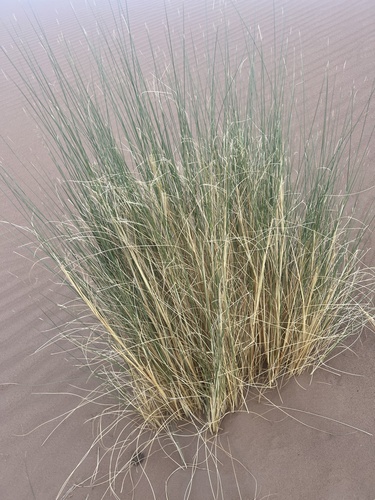
(c) Теймуров А.А., some rights reserved (CC BY-NC), uploaded by Теймуров А.А.
iNaturalist· cc-by-nc
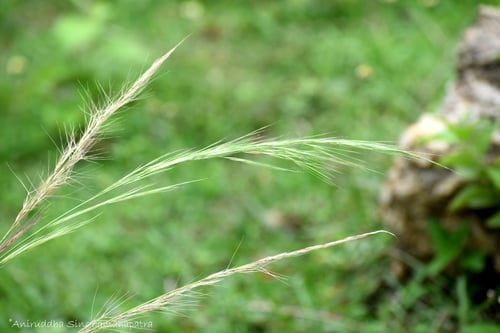
(c) Denys Davydov, some rights reserved (CC BY-NC), uploaded by Denys Davydov
Summary
Source: WikipediaSecale sylvestre is a wild relative of rye (S. cereale).
Description
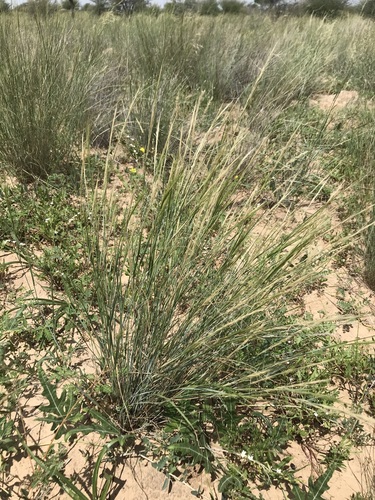
A grass. It forms dense tufts. It grows 40 cm tall. The leaf blade is 5-10 cm long by 2-3 mm wide. The seeds are 5 mm long.
This description is brief — help expand it
Edible Uses
The seed can be cooked and used whole or ground into flour for use as a cereal.
Medicinal Uses
None known
Distribution
It is a temperate plant.
Where It Grows
Asia, Central Asia, China, Europe, Hungary, Kazakhstan*, Kyrgyzstan*, Russia, Siberia, Tajikistan, Turkmenistan, Uzbekistan,
Cultivation
We have very little information on this species but it should succeed as an annual crop in Britain. It might be possible to sow it as an over-wintering annual. Succeeds in most soils but prefers a well-drained light soil in a sunny position. Cultivated for its seed in the mountains of Tibet and China.
Propagation
Sow seed in March or October in situ, barely covering the seed. Germination should occur within two weeks.
Other Uses
None known
Other Information
It is cultivated.
Synonyms
References (3)
- Icon. descr. gram. austriac. 4:7. 1809
- Plants for a Future database, The Field, Penpol, Lostwithiel, Cornwall, PL22 0NG, UK. http://www.scs.leeds.ac.uk/pfaf/
- Zeven, A. C. & de West, J. M. J., 1982, Dictionary of cultivated plants and their regions of diversity. Wageningen. p 93