Sporobolus actinocladus
(F. Muell.) F. Muell.
Rat-tail grass, Ka-too-ra, Ray grass
iNaturalist· cc-by-nc
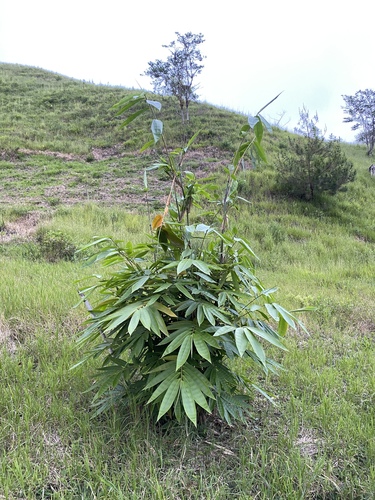
(c) Darren Fielder, some rights reserved (CC BY-NC), uploaded by Darren Fielder
iNaturalist· cc-by-nc
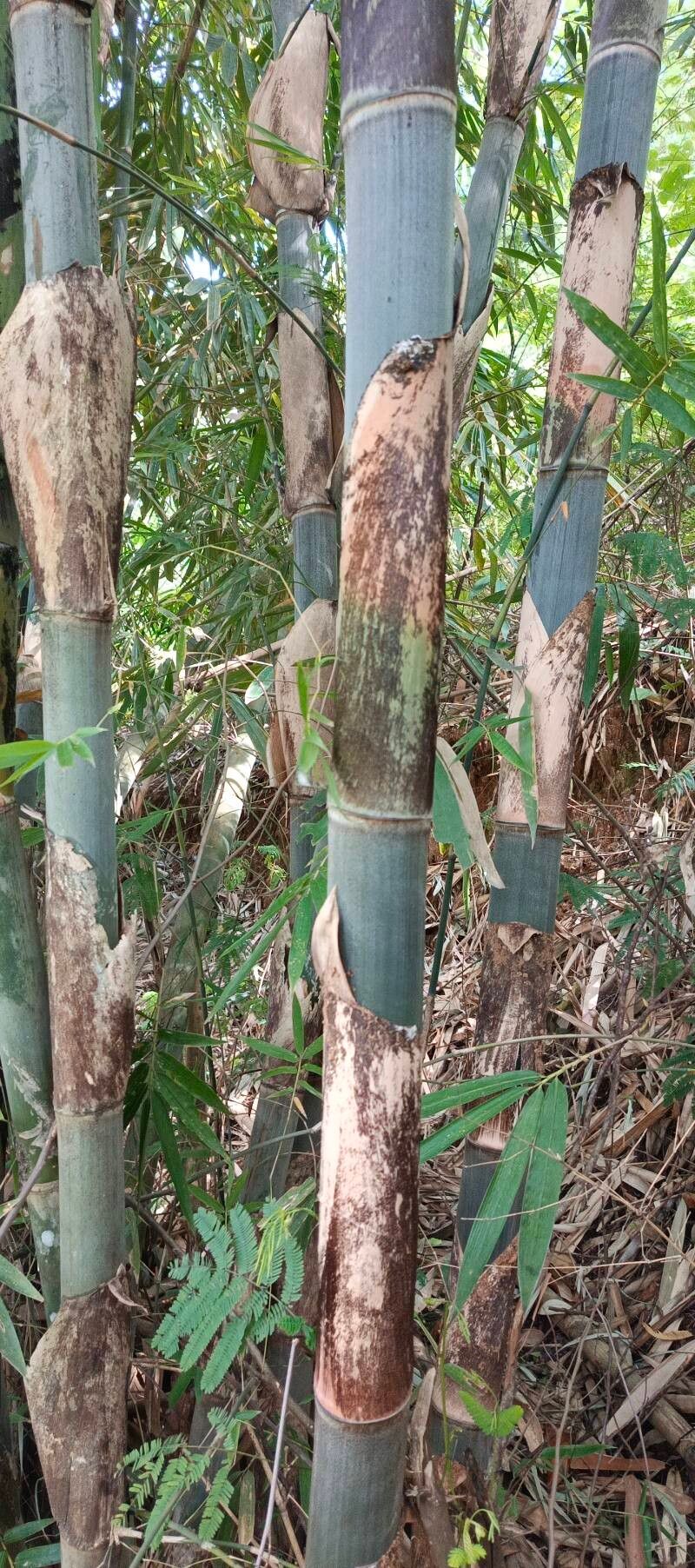
(c) rivendel, some rights reserved (CC BY-NC)
iNaturalist· cc-by-nc
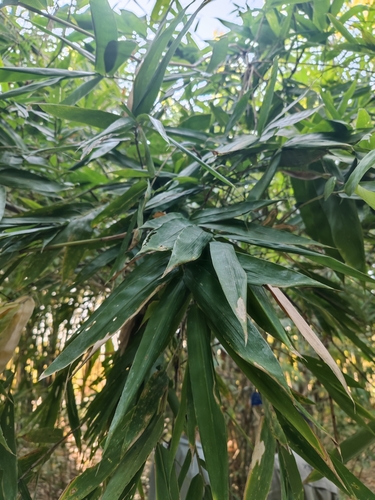
(c) rivendel, some rights reserved (CC BY-NC)
Description
A tufted grass. It keeps growing from year to year. It grows 15-50 cm high. Tufts can be 60 cm across. The leaf blades are flat. They are 3-6 cm long and 3-6 mm wide. The edges are rough and hairy. The inflorescence is a pyramid shaped panicle. It is 5-15 cm long.
Edible Uses
While some dropseeds, such as prairie dropseed (Sporobolus heterolepis), make nice gardening plants, they are generally considered to make inferior pastures, but seeds of at least some species are edible and nutritious; they were used as food, for example, by the Chiricahua Apaches. Other species are reported to be used as famine foods, such as Sporobolus indicus in parts of the Oromia Region of Ethiopia, where it is known as muriy in Oromiffa. Known as popote de cambray, Sporobolus grasses are used in popotillo art or straw mosaics, a Mexican folk art with pre-Columbian origins. The 1889 book The Useful Native Plants of Australia records that Sporobolus actinocladus is a "Perennial; seeds in October and November. A much esteemed pasture grass of the back country, common on rich loamy soil; stock of all kinds are very fond of it."
Distribution
A tropical plant. It grows on flood plains and is often on alkaline soils in the drier parts of the Kimberleys.
Where It Grows
Asia, Australia, China,
Notes
There are about 100-160 Sporobolus species. They are mainly in the tropics and subtropics.
References (7)
- Chen Shouliang, Lu Shenglian, Wu Zhenlan, et al Poaceae Tribe 19 Eragrostidae Flora of China
- Lazarides, M. & Hince, B., 1993, Handbook of Economic Plants of Australia, CSIRO. p 227
- Menninger, E.A., 1977, Edible Nuts of the World. Horticultural Books. Florida p 151
- Paczkowska, G. & Chapman, A.R., 2000, The Western Australian Flora. A Descriptive Catalogue. Western Australian Herbarium. p 116
- Petheram, R.J. and Kok, B., 2003, Plants of the Kimberley Region of Western Australia. UWA Press p 219
Show all 7 references Hide references
- Smith, K & I., 1999, Grow your own bushfoods. New Holland. Australia. p 88
- Wheeler, J.R.(ed.), 1992, Flora of the Kimberley Region. CALM, Western Australian Herbarium, p 1223