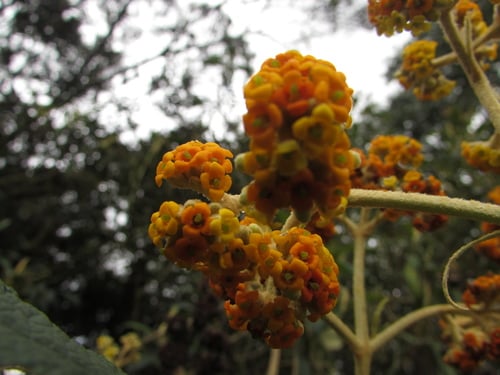
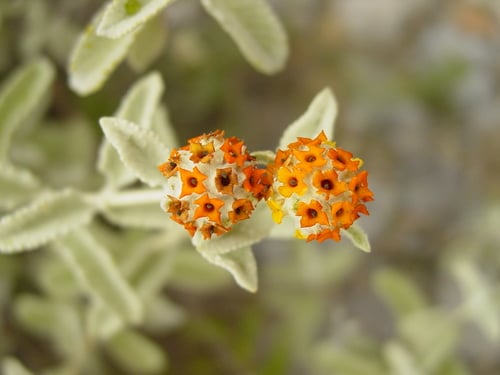
Torenia thouarsii
(Cham et Schlechtend.) O. Kuntze
iNaturalist· cc-by-nc
(c) Helene Ralimanana, some rights reserved (CC BY-NC), uploaded by Helene Ralimanana
iNaturalist· cc-by-nc
(c) Bart Wursten, some rights reserved (CC BY-NC)
Description
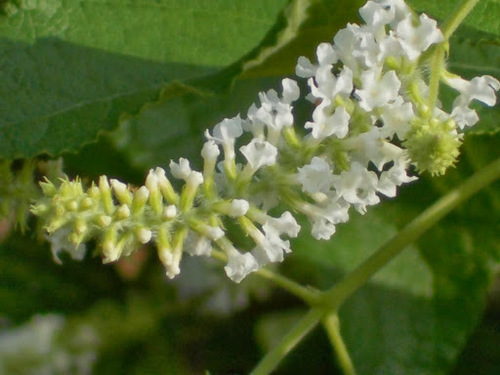
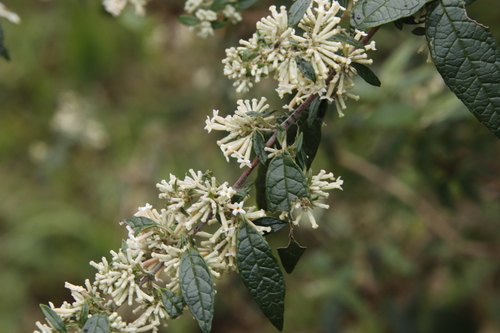
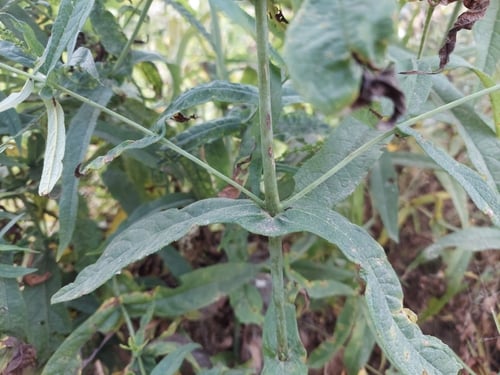
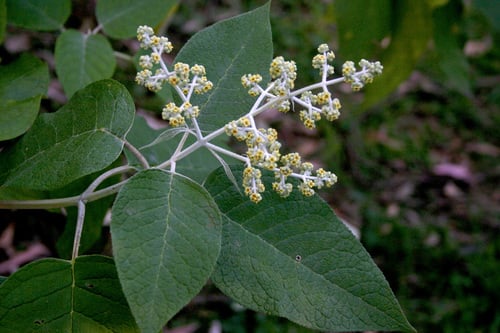
A slender straggling herb. It grows 40 cm high. It can form roots at the nodes. The leaves are 12-20 mm long by 8-15 mm wide. The flowers are white or pink. They can occur singly or as 2-6 together. The fruit is a capsule 7-10 mm long and 3 mm wide. The seeds are pale yellow.
Edible Uses
The leaves and stems are eaten.
Medicinal Uses
The plant is used in traditional medicine.
Distribution
A tropical plant. It grows in grassland and marshes. It grows from sea level to 1,750 m.
Where It Grows
Africa, Angola, Asia, Botswana, Central Africa, Central African Republic, CAR, Central America, Congo, Costa Rica, East Africa, Gabon, Guianas, Guinea, Guinée, Guinea-Bissau, Guyana, India, Malawi, Mozambique, Sao Tome and Principe, Sierra Leone, Southern Africa, South America, Sudan, Suriname, Trinidad, Venezuela, West Africa, Zambia, Zimbabwe,
Notes
There are 50 Torenia species. It is used in medicine.
Synonyms
References (5)
- Ambasta, S.P. (Ed.), 2000, The Useful Plants of India. CSIR India. p 641
- East African Herbarium records, 1981,
- Jardin, C., 1970, List of Foods Used In Africa, FAO Nutrition Information Document Series No 2.p 107
- Martin, F.W. & Ruberte, R.M., 1979, Edible Leaves of the Tropics. Antillian College Press, Mayaguez, Puerto Rico. p 219 (As Torenia parviflora)
- Peters, C. R., O'Brien, E. M., and Drummond, R.B., 1992, Edible Wild plants of Sub-saharan Africa. Kew. p 185