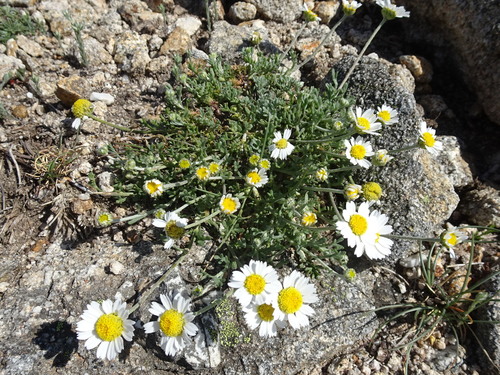
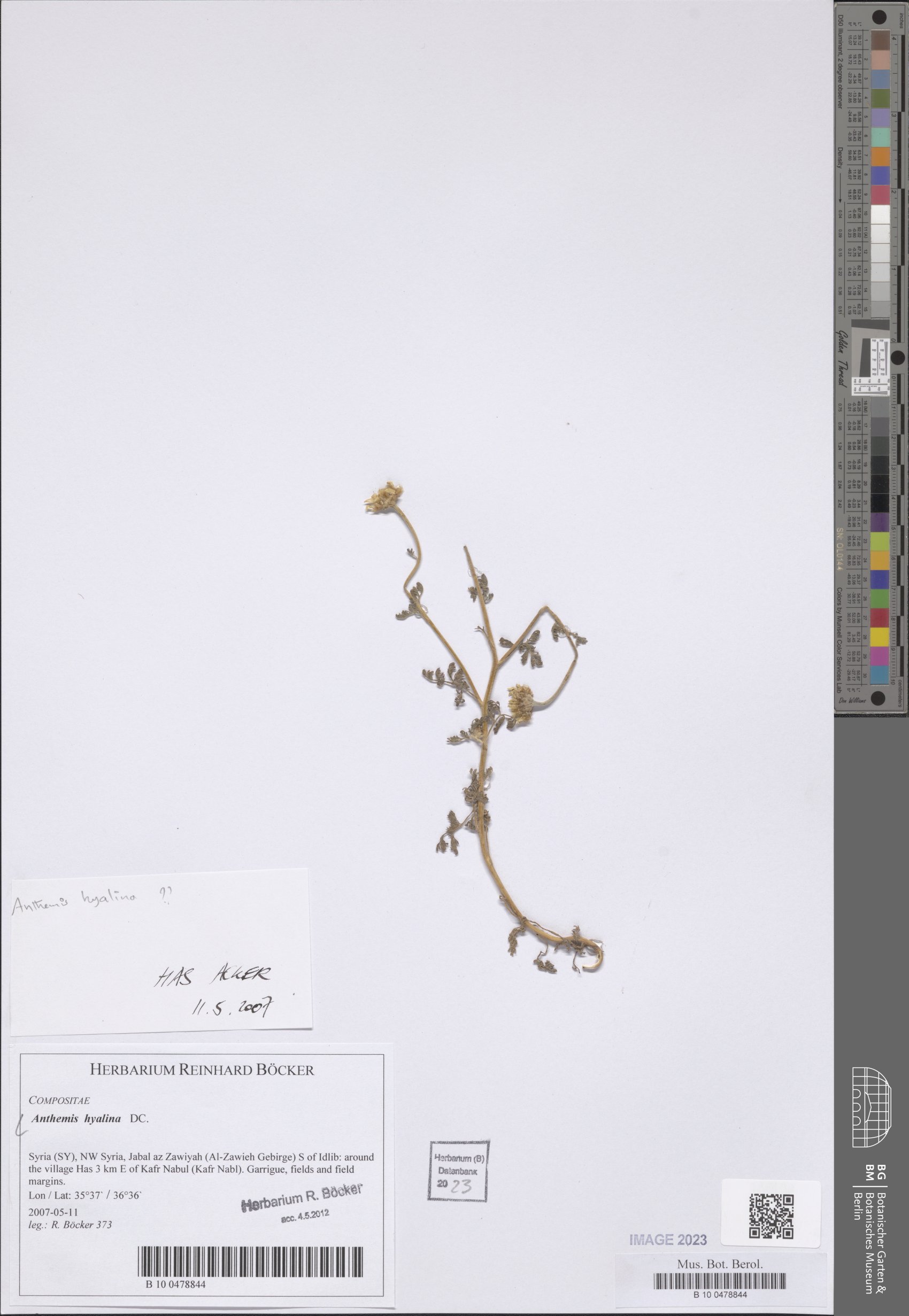
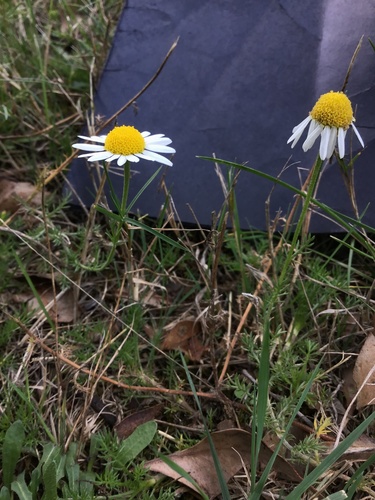
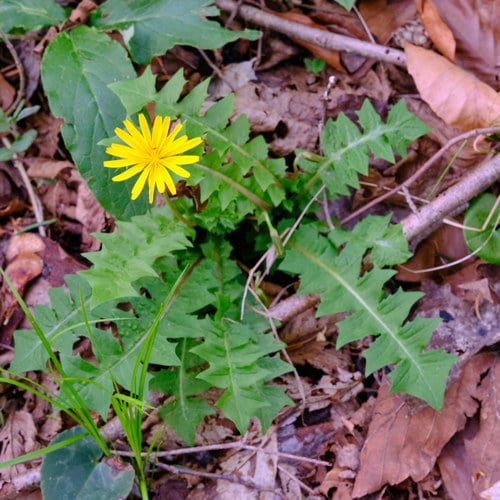
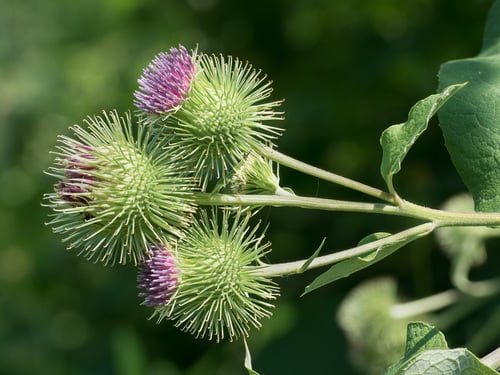
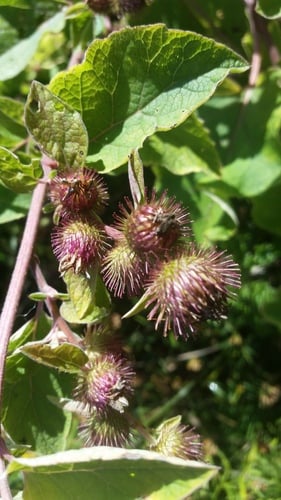
Scorzonera undulata subsp. deliciosa
Vahl; (Guss.) Maire
Delicious scorzonera
Asteraceae Edible: Leaves, Roots, Flowers
gbif· cc-by
Meise Botanic Garden
gbif· cc-by
Meise Botanic Garden
gbif· cc-by
Meise Botanic Garden
Description
A Mediterranean climate herb in the Asteraceae family, important in Sicily.
This description is brief — help expand it
Edible Uses
The roots are sweet and used for making confectionary—candied in sugar or made into syrups, jams, and ice creams. The flowers are eaten raw.
Traditional Uses
The roots are sweet and used for making confectionary. They are candied in sugar or made into syrups, jams and ice creams. The flowers are eaten raw.
Distribution
It is a Mediterranean climate plant.
Where It Grows
Africa, Algeria, Europe, Italy, Mediterranean, Morocco, North Africa, Sicily,
Other Information
It is important in Sicily.
Synonyms
Scorzonera deliciosa Guss.and others
References (9)
- Facciola, S., 1998, Cornucopia 2: a Source Book of Edible Plants. Kampong Publications, p 41
- Geraci, A., et al, 2018, The wild taxa utilized as vegetables in Sicily (Italy): a traditional component of the Mediterranean diet. Journal of Ethnobiology and Ethnomedicine (2018) 14:14
- Hedrick, U.P., 1919, (Ed.), Sturtevant's edible plants of the world. p 600 (As Scorzonera deliciosa)
- Jardin, C., 1970, List of Foods Used In Africa, FAO Nutrition Information Document Series No 2.p 100
- Lim, T. K., Edible Medicinal and Non-Medicinal Plants Volume 7 Flowers
Show all 9 references Hide references
- Macmillan, H.F. (Revised Barlow, H.S., et al), 1991, Tropical Planting and Gardening. Sixth edition. Malayan Nature Society. Kuala Lumpur. p 369 (As Scorzonera deliciosa)
- Martin, F.W. & Ruberte, R.M., 1979, Edible Leaves of the Tropics. Antillian College Press, Mayaguez, Puerto Rico. p 186
- Pasta, S., et al, 2020, An Updated Checklist of the Sicilian Native Edible Plants: Preserving the Traditional Ecological Knowledge of Century-Old Agro-Pastoral Landscapes. Frontiers in Plant Science. Volume 11|Article 388
- Plants for a Future database, The Field, Penpol, Lostwithiel, Cornwall, PL22 0NG, UK. http://www.scs.leeds.ac.uk/pfaf/