Helichrysum petiolatum
D. Don
Licorice plant, Silver licorice
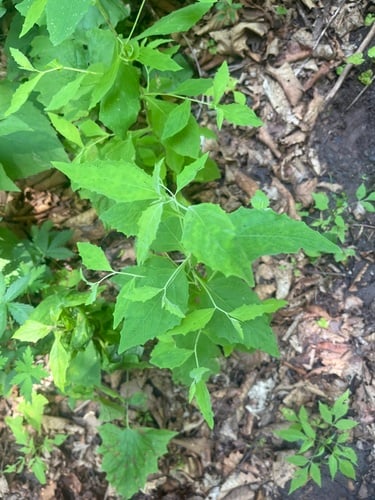
iNaturalist· cc-by-nc
(c) Sharon Louw, some rights reserved (CC BY-NC)
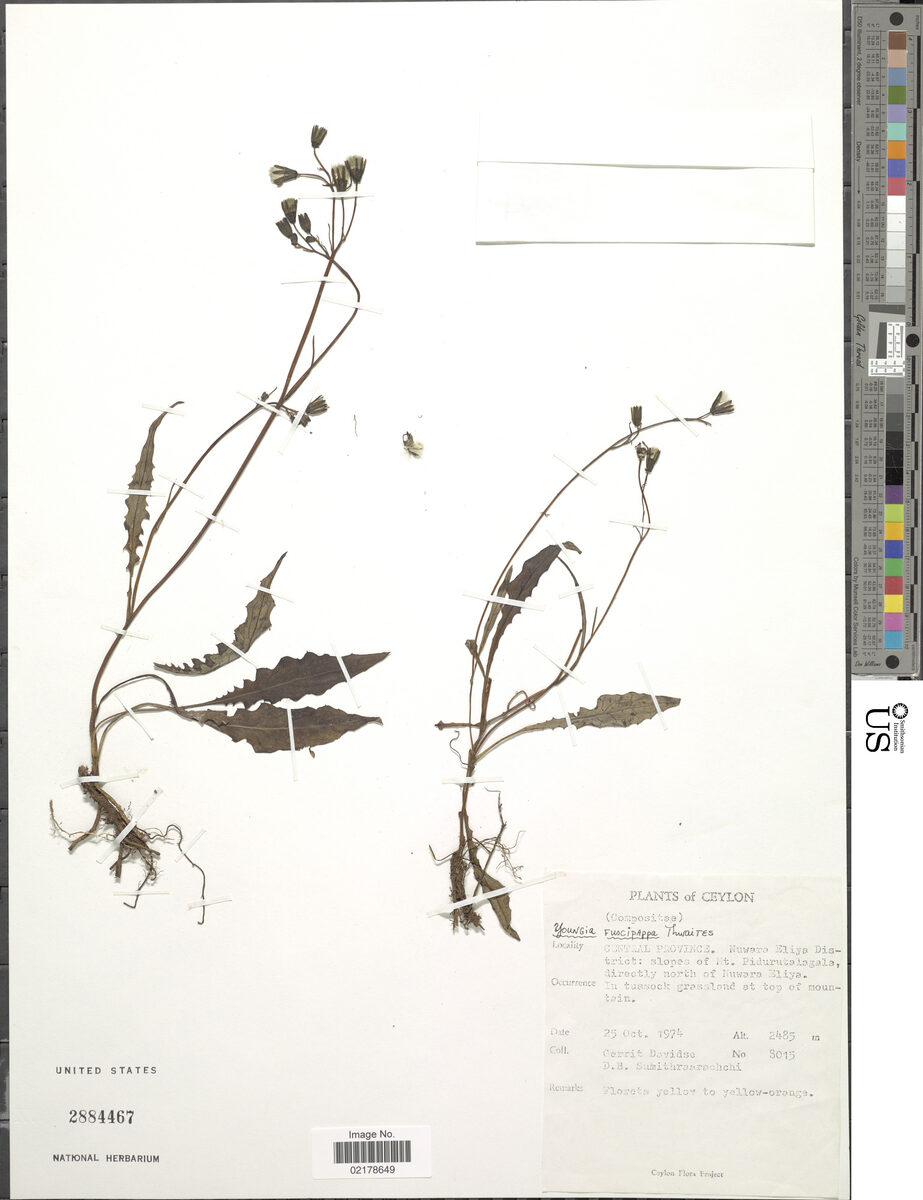
iNaturalist· cc-by-nc
(c) Sharon Louw, some rights reserved (CC BY-NC)
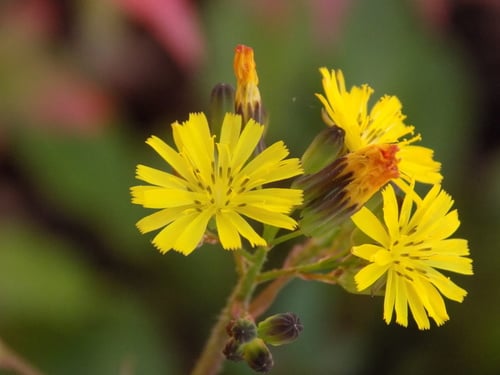
iNaturalist· cc-by-nc
(c) emanon, some rights reserved (CC BY-NC)
Description
A temperate herb in the Asteraceae family, also known as licorice plant or silver licorice.
This description is brief — help expand it
Edible Uses
The roots have a licorice-like flavor and are used for flavoring.
Traditional Uses
The roots have a licorice like flavour and are used for flavouring.
This uses section is brief — help expand it
Medicinal Uses
Its Afrikaans common name of kooigoed translates as "bedding stuff" and it is still used to provide a soft and aromatic mattress. The essential oil has been investigated for its anti-microbial, anti-oxidant, and anti-inflammatory properties. In South Africa it forms a component of traditional African medicine. The leaves and twigs are boiled and prepared as a sort of tea to soothe coughs and fever. The leaves are also applied to wounds to prevent infection, and are ceremonially burnt to produce a traditional incense. In its ritual use, impepho is believed to invoke and placate the ancestors and to drive away malicious spirits; since these are regarded as common causes of illness in African traditional medicine, it is not surprising that imphepho is a very important medicinal plant in this traditional medical field. Apart from its traditional importance, imphepho has been widely researched in recent years. A great deal of scientific and anecdotal evidence seems to support the claims of traditional healers. Impepho is traditionally used as a wound dressing. The plant has proven anti-microbial properties and appears to work effectively as pain relief and as an anti-inflammatory, probably due to various volatile oils and flavanoids. Ash from burnt impepho and fresh or dried aerial parts of the plant are common ingredients in wound dressings; burning the plant causes chemical changes to the plant which affect its healing properties. The oils are said to be of great value in healing scars and acne, imphepho is believed to stimulate cellular regeneration. Impepho is boiled either in water or milk to make a tea, it is used internally to treat coughs, colds, fever, infection, menstrual pain, headaches, insomnia, hypertension and even allergies and diabetes. For pain relief and to treat coughs, colds, bronchitis and other chest infections the plant is burnt and the smoke inhaled. No evidence is available as to how effective imphepho is as a treatment for tuberculosis but the plant's common use in the area and the prevalence of the illness suggest that it may be ineffective. The papery flowers of various species come in a range of colours with bright to dull yellow, white, pink and orange being most common. They are popular in flower arrangements and have been used in potpourri.
Distribution
It is a temperate plant. Hobart Botanical Gardens.
Where It Grows
Australia, South Africa, Southern Africa, Tasmania,
Notes
There seems to be confusion over Helichrysum petiolatum and Helichrysum petiolare.
References (1)
- Facciola, S., 1998, Cornucopia 2: a Source Book of Edible Plants. Kampong Publications, p 40