Otholobium glandulosum
(L.) J. W. Grimes
Glandular otholobium
iNaturalist· cc-by-nc
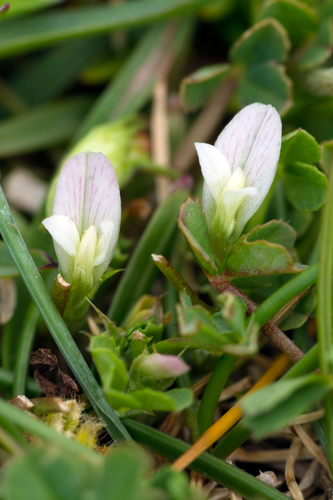
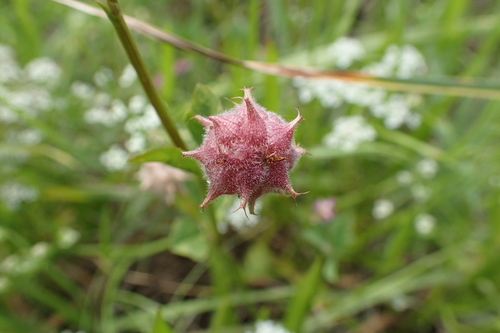
(c) Zona Norte de Quilpué, some rights reserved (CC BY-NC), uploaded by Zona Norte de Quilpué
iNaturalist· cc-by-nc
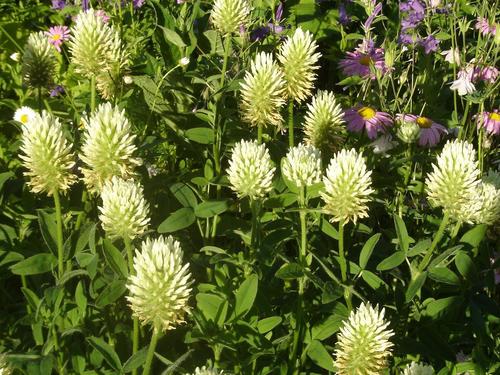
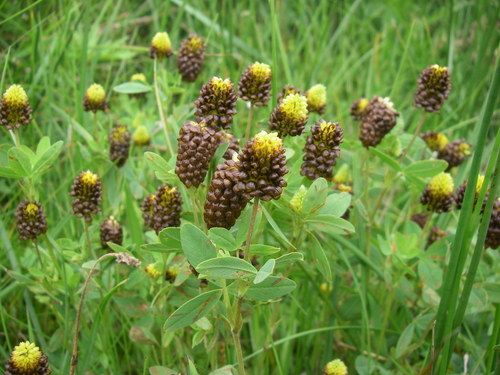
(c) Nicolás Arcos, some rights reserved (CC BY-NC), uploaded by Nicolás Arcos
iNaturalist· cc-by-nc
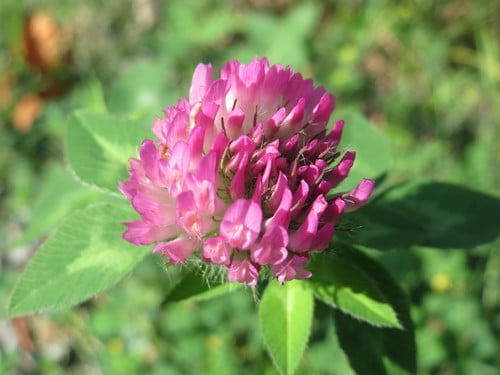
(c) Italo Pérez Codern, some rights reserved (CC BY-NC), uploaded by Italo Pérez Codern
Description
A shrub. It grows 2-4 m tall. The leaves have 3 leaflets. The flowers are in large groups in the axils of leaves near the ends of branches. The fruit are round to oval.
Edible Uses
The aromatic leaves are used as a tea substitute, with the added bonus of being a digstive tonic. A delicious carbonated beverage can be made from the boiled leaves. The young shoots are used in making a refreshing cold drink. It is very good.
Medicinal Uses
The leaves are anthelmintic, antiasthmatic, antiinflammatory, antiviral, astringent, bronchodilator, carminative, diaphoretic, digestive, emetic, emmenagogue, emolient, febrifuge, purgative, tonic and vulnerary. It is used in the treatment of conditions such as colds, flu, asthma and other upper respiratory problems; fatigue and debility, enteritis and various other digestive disorders; intestinal worms and parasites; haemorrhoids, skin problems, syphilis, and wounds. The root is emetic. The plant contains the furanocoumarins psoralen and angelicin. These compounds are known to induce photosensitization and hyperpigmentation of the skin. They are used in pharmaceutical drugs to treat tumor cells and in other skin diseases like psoriasis and vitiligo. In addition, angelicin has been documented with anti-inflammatory and fever-reducing actions and has shown some promise in the possible treatment of sickle-cell anemia. The plant also contains the compound bakuchiol. This has been documented with liver-protecting, cholesterol-lowering, fever-reducing, anti-inflammatory, antioxidant, antimutagenic, and anticancerous actions in various studies. It has also been reported with broad-spectrum antimicrobial actions against numerous types of bacteria, mycobacteria, fungus, and viruses.
Known Hazards
Although no specific mention of toxicity for this species has been found, at least some members of this genus are known to contain furanocoumarins, particularly psoralen and angelicin. These compounds can be found in low concentrations in many common foods including citrus fruirs, celery, parsley and parsnips. Ingestion or skin application of these compounds in larger quantities can cause skin photosensitization followed by hyperpigmentation in some people.
Distribution
It is a temperate plant.
Where It Grows
Andes, Argentina, Bolivia, Chile, Peru, South America,
Cultivation
Otholobium glandulosum is mainly found in the subtropics of Chile, though plants can also grow at higher elevations in the tropics and outdoors in warmer parts of the temperate zone. Fully dormant plants can tolerate short-lived temperatures down to around -5 to -10°c provided they are grown in a perfectly drained soil with preferably with some protection such as a sunny wall. Plants can regrow from buds low down on old wood if the are cut back by frosts. Depending on provenence, there are tender and hardier forms of this species. Succeeds in an ordinary garden soil. Requires a sunny position and a well-drained soil. Flowers are produced on the previous seasons growth and also late in the season on the current seasons. The leaves are aromatic. This species has a symbiotic relationship with certain soil bacteria, these bacteria form nodules on the roots and fix atmospheric nitrogen. Some of this nitrogen is utilized by the growing plant but some can also be used by other plants growing nearby.
Propagation
Pre-soak the seed for 24 hours in warm water and sow in early to mid spring in a greenhouse. as soon as they are large enough to handle, prick the seedlings out into individual pots and grow them on in light shade until large enough to plant out. Cuttings of half-ripe wood in a frame.
Synonyms
Also Known As
Cule, Culen, Kulen, Trafilawen
References (6)
- Cordero, S. E., Abello, L. A., & Galvez, F. L., 2017, Plantas silvestres comestibles y medicinales de Chile y otras partes del mundo. CORMA p 95
- Grandtner, M. M. & Chevrette, J., 2013, Dictionary of Trees, Volume 2: South America: Nomenclature, Taxonomy and Ecology. Academic Press p 465
- Kermath, B. M., et al, 2014, Food Plants in the Americas: A survey of the domesticated, cultivated and wild plants used for Human food in North, Central and South America and the Caribbean. On line draft. p 595
- Leon-Lobos, P., et al, 2022, Patterns of Traditional and Modern Uses of Wild Edible Native Plants of Chile: Challenges and Future Perspectives. Plants (Basel) v 11 (6) Table S1
- Martin, J. S. & Villagra M. M., 2013, Productos forestales no madereros de la Region del Maule. p 25
Show all 6 references Hide references
- Molares, S. & Ladio, A., 2012, The Usefulness of Edible and Medicinal Fabaceae in Argentine and Chilean Patagonia: Environmental Availability and Other Sources of Supply. Evidence-Based Complementary and Alternative Medicine. Volume 2012, Article ID 901918, 12 pages, Hindawi Publishing Corporation.