Urochloa trichopus
(Hochst.) Stapf
Hairy gonya-grass
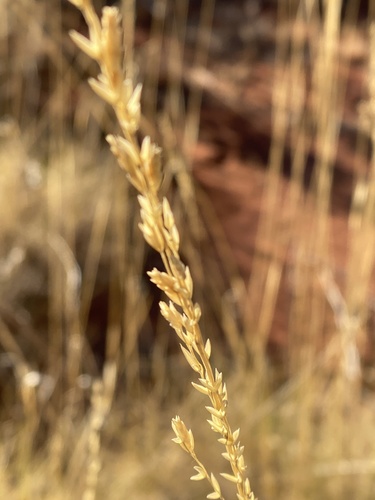
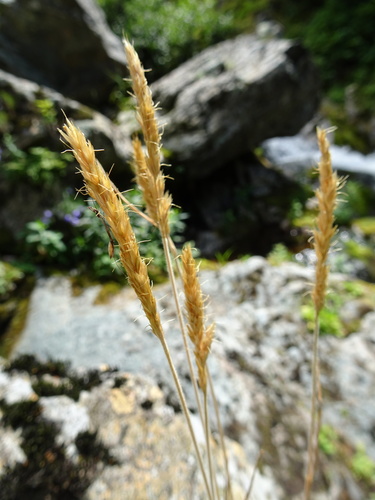
iNaturalist· cc-by-sa
(c) Ruth Palsson, some rights reserved (CC BY-SA), uploaded by Ruth Palsson
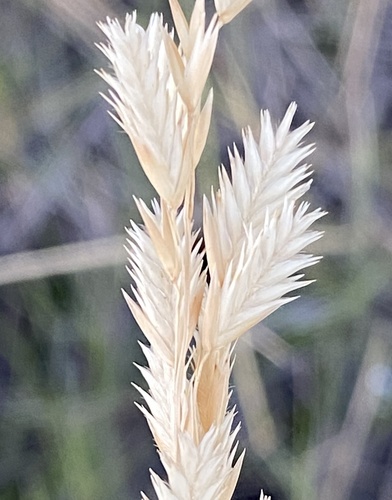
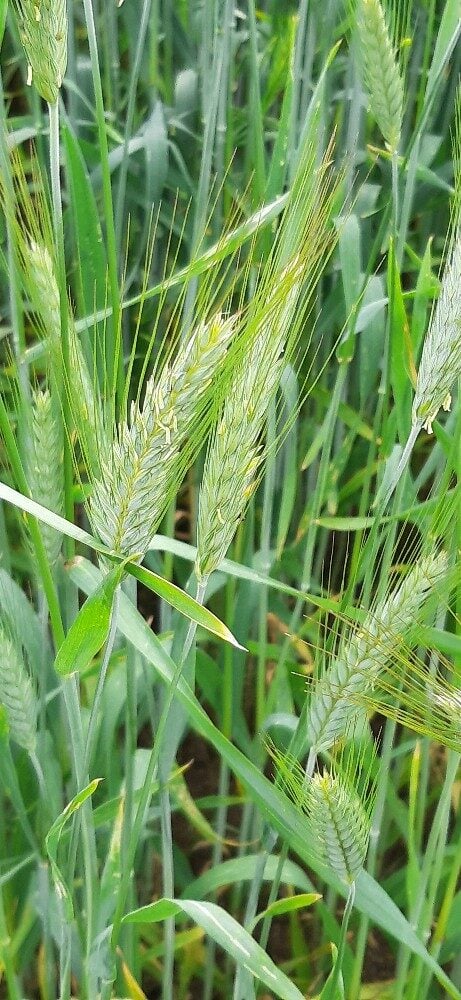
iNaturalist· cc-by-nc
(c) michaelkalisek, some rights reserved (CC BY-NC)
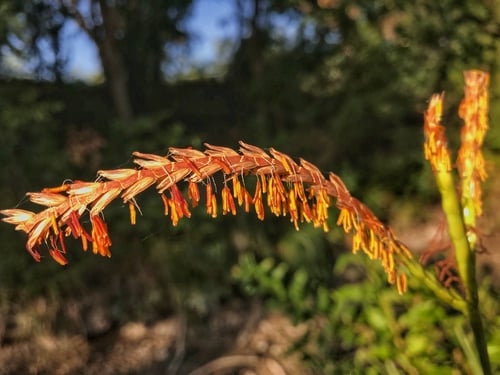
iNaturalist· cc-by-nc
(c) michaelkalisek, some rights reserved (CC BY-NC)
Summary
Source: WikipediaUrochloa trichopus, bushveld signal grass is a species of grass that is native to tropical and southern parts of Africa, Arabian Peninsula and western Madagascar.
Description
An annual grass. It forms coarse tufts. It grows 60 cm high or higher.
This description is brief — help expand it
Edible Uses
The seed of Urochloa trichopus can be gathered for food, such as in Kordofan (Sudan), Tanzania, Botswana and Zimbabwe. While, in Botswana it is ground into a flour, which can then be as a cereal, which can be mixed with water, milk or melon juice and made into cake. It is as good fodder in India.
Traditional Uses
The seeds are eaten as a meal.
This uses section is brief — help expand it
Distribution
It is a tropical plant. It grow in wooded grassland and bushland. It grows in alluvial sandy soils. It grows from sea level to 1,600 m above sea level. It can grow in arid places.
Where It Grows
Africa, Angola, Asia, Botswana, Brazil, Burkina Faso, Central Africa, East Africa, Ethiopia, Kenya, Malawi, Mauritania, Middle East, Mozambique, Myanmar, Namibia, Nigeria, SE Asia, South Africa, Southern Africa, Sudan, Tanzania, West Africa, Yemen, Zambia, Zimbabwe,
Cultivation
Urochloa trichopus is a plant of semi-arid tropical and subtropical climates, where it can be found at elevations up to 1,600 metres. Usually found in the wild in sandy soils. The plant is considered to be a weed in some areas within its native range.
Other Information
It is a famine food with potential for cultivation.
Synonyms
Also Known As
Difiofu, Rabguk
References (8)
- Burkill, H. M., 1985, The useful plants of west tropical Africa, Vol. 2. Kew.
- Dalziel, J. M., 1937, The Useful plants of west tropical Africa. Crown Agents for the Colonies London.
- National Research Council, 1996, Lost crops of Africa. Volume 1 grains, p 271
- Peters, C. R., O'Brien, E. M., and Drummond, R.B., 1992, Edible Wild plants of Sub-saharan Africa. Kew. p 29
- Royal Botanic Gardens, Kew (1999). Survey of Economic Plants for Arid and Semi-Arid Lands (SEPASAL) database. Published on the Internet; http://www.rbgkew.org.uk/ceb/sepasal/internet [Accessed 4th June 2011]
Show all 8 references Hide references
- Ruiters-Welcome, A. K., 2019, Food plants of southern Africa. Ph.D. thesis. Univ. of Johannesburg p 90
- Welcome, A. K. & Van Wyk, B.-E., 2019, An inventory and analysis of the food plants of southern Africa. South African Journal of Botany 122 (2019) 136–179
- World Checklist of Useful Plant Species 2020. Royal Botanic Gardens, Kew